
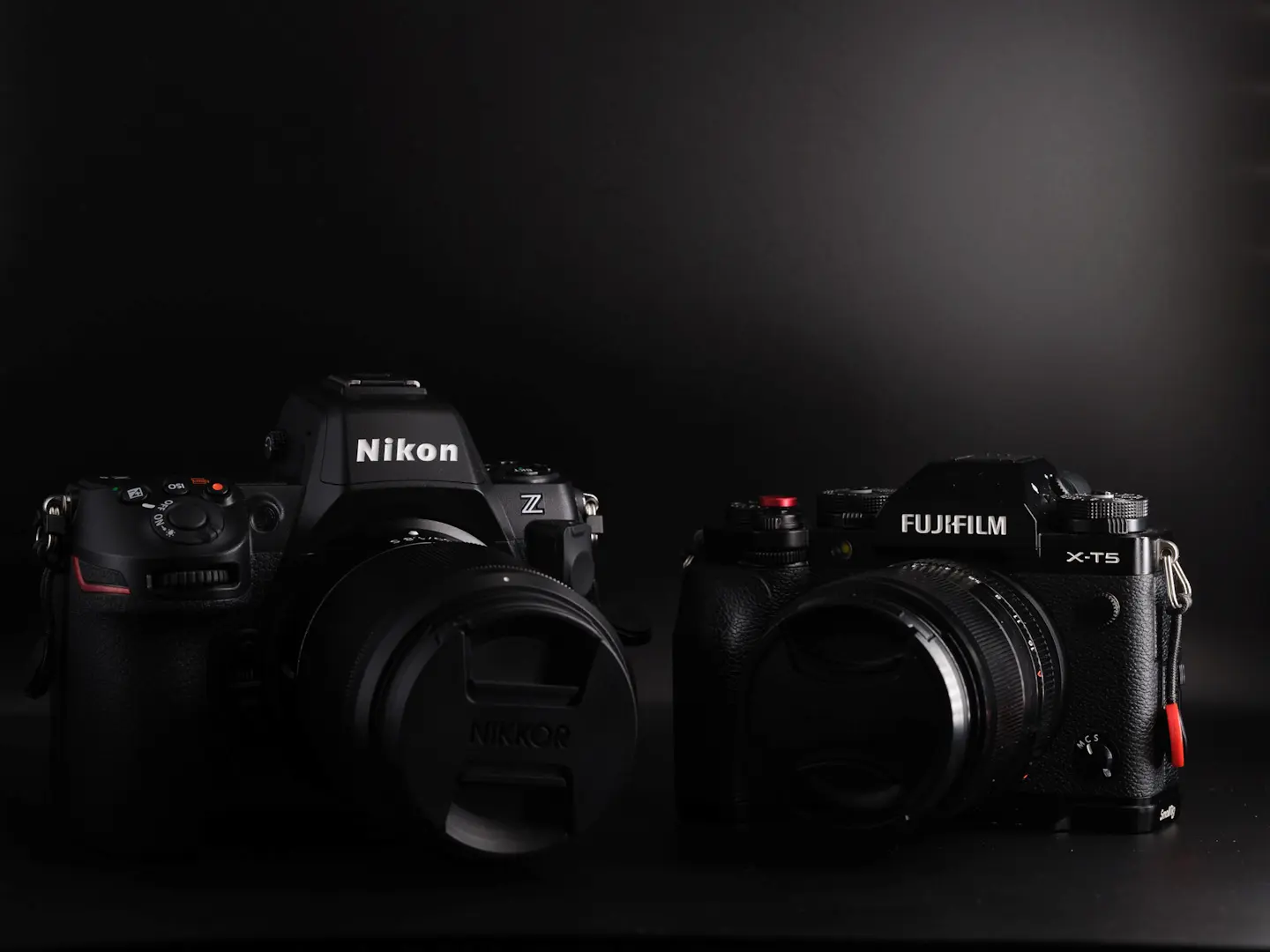
Last Updated 1st September 2026: This article was completely rewritten in August 2026 and has been updated again in Septemeber 2026 to ensure it reflects the current market. Every recommendation has been re-evaluated against the latest generation of camera bodies to help you make the best buying decision.
Table of contents: Click the links to jump to the relevant section.
- Best Beginner Cameras
- Best Enthusiast Cameras
- Best Professional Cameras
- Best Landscape Photography cameras
- Best Wildlife and Action
- Best for Portraits and People
- Best for Street and Documentary Photography

Disclaimer: This article contains affiliate links. If you purchase through these links, I may earn a small commission at no extra cost to you. If you do purchase through my links then I offer a heartfelt thank you to you as it really does mean that I can keep doing this.
Choosing the best camera is a deeply subjective process. Marketing departments would often have you believe you need the latest, most expensive flagship body to capture great images. That’s simply not true. Finding the right camera is about balancing your budget, your workflow, and what you actually want to photograph and do with your photos.
I’ve spent the last two decades shooting everything from Ricoh compacts to Fujifilm GFX medium format. I started my professional career on Canon, I currently shoot Nikon, Fujifilm, and OM System, and I’ve used most Panasonic cameras along the way. I’ve owned every single generation of Sony’s mirrorless cameras starting back with the original A7R, alongside more recent bodies like the A7IV, as well as owning the Canon R5. I am not tribal in terms of which brands I recommend and simply believe in using the right tool for the job.
This guide breaks down the best system cameras available in 2026 by experience level (beginner, enthusiast, and professional) as well as by specific shooting genres. It is a complete, no-nonsense roadmap designed to help you find the right camera for you.
If you don’t want to change lenses, then see my guide to the best compact cameras.
Best Beginner Cameras
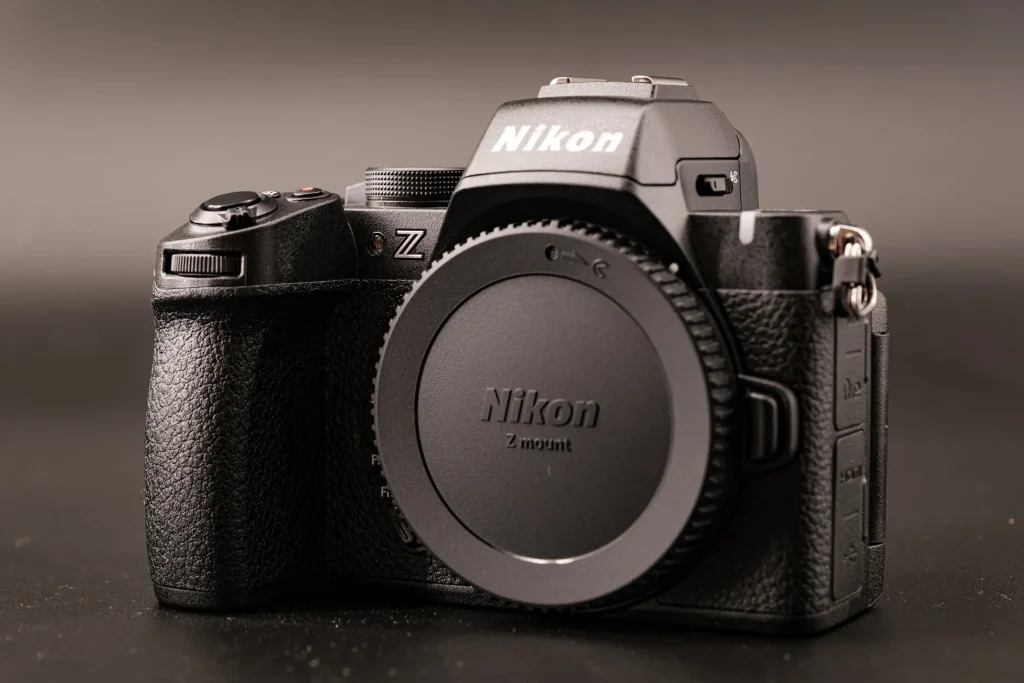
Stepping up from a smartphone or buying your first proper interchangeable lens camera doesn’t mean you need a heavy, complicated flagship body. You want an intuitive tool that offers great out-of-the-box results, reliable autofocus, and room to grow. Here are the top beginner picks spanning performance, value, and smart used buys:
| Camera | Best For | Key Reason to Buy | Price Tier |
|---|---|---|---|
| Nikon Z50II | Overall Best Handling & room to grow | Superior ergonomics, fantastic out-of-the-box colors, and access to Nikon’s exceptional Z-mount lens lineup without needing an early upgrade. | Mid-Range / Entry |
| Canon EOS R50 | Best Bang for Your Buck | Stellar APS-C image quality, brilliant face/eye tracking autofocus, and built-in guidance modes tailored for newcomers. | Entry / Value |
| Sony Alpha A6500 (Used) | Best Under-$700 Used Value | Proved tracking autofocus, in-body image stabilization (IBIS), 4K video, and massive third-party lens support on a budget. | Budget / Used |
The Top Picks: From All-Rounder to Budget Value
For the Best Overall Experience & Long-Term Growth: Nikon Z50II
If you want a camera that you won’t feel compelled to upgrade in twelve months, the Nikon Z50II is the standout choice. It offers the best handling and comfort in the beginner class, physical controls that make learning enjoyable, full auto modes for simplicity, and gorgeous colors straight out of the camera. Crucially, it brings you into one of the sharpest lens ecosystems available. Trade-off: It sits at a slightly higher price point than basic entry-level competitors.
For the Best Out-of-the-Box Value: Canon EOS R50
The Canon EOS R50 delivers exceptional APS-C image quality and features some of the best beginner-friendly, in-camera guidance modes on the market. Its autofocus—complete with reliable face and eye detection—makes capturing people effortless with Canon’s famously beautiful skin tones straight out of the camera. Trade-off: While it’s a fantastic value upfront, native RF-S lens options are either limited in quality or become quite expensive if you want to move up to their professional L lens range.
The Smart Used Value Buy: Sony Alpha A6500
If you want to keep initial costs under $700 while getting excellent performance, look for a clean used Sony A6500. Even as an older model, Sony’s early autofocus tracking dominance keeps it remarkably competitive today. It packs 4K video, in-body image stabilization (IBIS), and deep customizability into a compact body that stays out of your way. Buying into Sony also unlocks the most expansive budget-to-pro lens lineup today, from cheap f/1.8 primes to elite GM glass. Trade-off: It’s not as comfortable to use as the Canon and Nikon alternatives, and the menu system takes some getting used to. Straight out of camera Jpegs don’t look as natural as those from Nikon or Canon.
To see the Nikon Z50II in use see my recent article
To see more beginner options see my detailed best cameras for beginner article.
Best Enthusiast / Mid-Range Hybrid Cameras

The enthusiast and mid-range sector is easily the most fiercely contested space in the entire camera industry. It’s where gear stops being basic and turns into a true creative tool, balancing high-end performance with sensible weight and cost. I’ve spent more than a decade buying cameras in this exact bracket and have either owned or used almost all of them. Here is how the market’s leading contenders stack up across full-frame, APS-C, and hybrid powerhouses:
One thing that I would like to point out before you read this section is that while these cameras are the latest and greatest for enthusiasts, if you’re budget doesn’t quite stretch to these models, then the previous generation of each model will still offer very similar performance. In terms of actual image quality, we reached a point where it was already more than good enough 5-7 years ago, so improvements with the latest models tend to be in terms of autofocus performance, shooting speeds and video specs. If these arent that important to you then look for a used older generation model.
| Camera | Best For | Key Reason to Buy | Price Tier |
|---|---|---|---|
| Nikon Z6III | Overall Best All-Rounder | Partially stacked sensor speed, elite ergonomics, rugged weather sealing, and professional-grade video. | Enthusiast / Mid-Range |
| Sony A7V | Speed & Resolution Balance | Partially stacked 33MP sensor, 30fps bursts, and massive original and third-party lens support. | Enthusiast / Mid-Range |
| Fujifilm X-T5 | APS-C Stills & Analogue Feel | Stunning 40MP sensor detail, tactile mechanical dials, film simulations, and compact APS-C lenses. | Enthusiast (APS-C) |
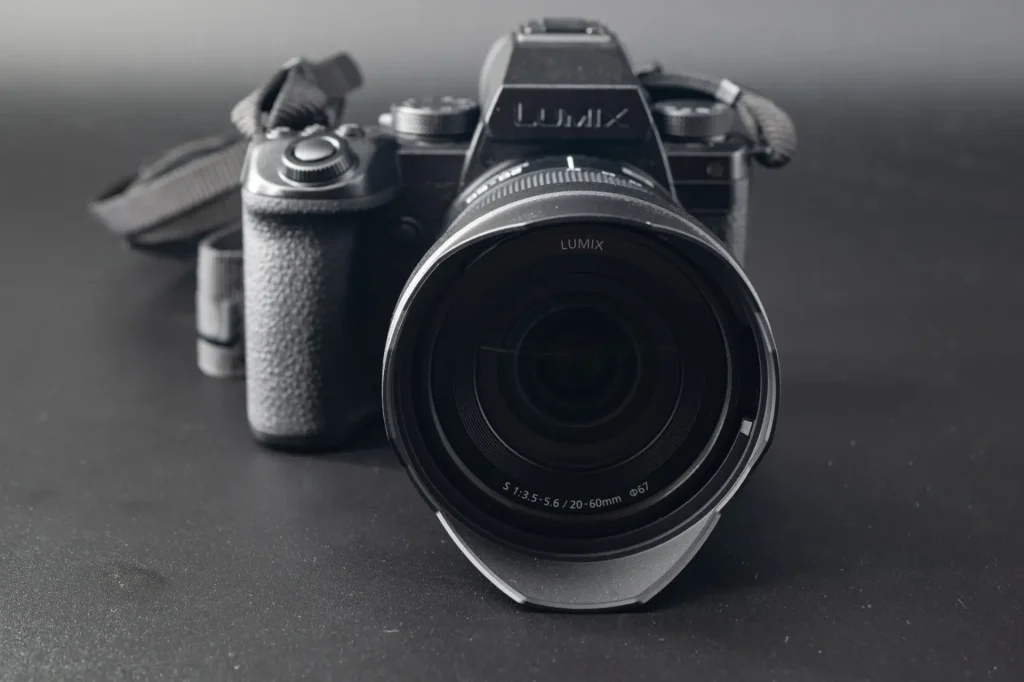
| Panasonic Lumix S5II / S5IIx | Best Value Full-Frame & Video | Phenomenal video codecs, phase-detect AF upgrade, class-leading video IBIS, and incredible value kit bundles. | Value Full-Frame |
| Canon EOS R6 Mark III | Ultimate High-End Hybrid | Blazing 40fps speed, open gate 7K60 raw video, peerless Canon ergonomics, and intuitive menus. | High-End Enthusiast |
The Top Contenders: Breaking Down the Lineup
The Ultimate All-Rounder: Nikon Z6III
The Nikon Z6III is an absolute powerhouse, offering pro-level stills and video performance. Its autofocus rivals dedicated professional bodies, and the image quality is superb across dynamic range, color, and versatile RAW files that are effortless to edit. The handling is among the most comfortable available, featuring deep customization (I’ve set mine up to mimic my Z8). The IBIS keeps ISO low for static scenes, and high-ISO performance is seriously impressive. Built rugged enough for the Scottish Highlands and Southeast Asia, it features a fast, bright EVF and robust professional video tools like 4K120 and N-Log. Trade-off: The grip is a little short for larger hands (my pinky rests under it), and dynamic range test charts place it slightly behind its predecessor, though real-world results are stellar.
For more detail see my full Nikon Z6III review
For Speed & Smart Resolution: Sony A7V
The Sony A7V builds directly on the massive success of the A7IV, introducing a partially stacked sensor that dramatically increases operational speed. It delivers blackout-free burst shooting up to 30 fps and eliminates the rolling shutter issues of its predecessor during fast action and video. The 33MP sensor gives you extra room to crop, and Sony’s E-mount lens ecosystem remains unmatched. Trade-off: Handling is still less comfortable than Nikon, Canon and Panasonic options, and straight-out-of-camera colors still lag behind other brands although they have improved in recent years.
For Stills Purists (APS-C): Fujifilm X-T5
If you want to skip full-frame weight and expense, the Fujifilm X-T5 is an incredible still camera. Its 40MP APS-C sensor yields stunning detail, paired with iconic film simulations and physical shutter/ISO dials that mimic classic analogue cameras. Dual SD card slots provide instant backup, and the APS-C lenses stay remarkably compact. Trade-off: While great for daily shooting, its autofocus tracking isn’t as fast or reliable as Sony, Nikon, or Canon when pushed.
The Best Value Full-Frame Buy: Panasonic Lumix S5II / S5IIx
For pure financial value, the Panasonic S5II and S5IIx are unbeatable full-frame workhorses. Featuring a reliable phase-detect AF system, rich color profiles (Natural and L Monochrom D are personal favorites), and incredible bundle deals (like pairing with the 20-60mm and 50mm f/1.8 under $2,500 total), they are tough to beat. For video, the S5IIx is peerless at this price point, offering 4K60, V-Log, USB-C SSD recording, top-tier IBIS boost modes, and a built-in cooling fan. While other hybrid cameras sometimes offer better specs on paper, the S5IIx offers a seemless video workflow that makes it feel purpose built for the job, rather than a stills camera adapted to shoot video. Trade-off: They aren’t built for raw speed; start-up times can feel sluggish, and image playback response can drag.
The Luxury Powerhouse: Canon EOS R6 Mark III
If budget is secondary and you want the ultimate hybrid machine, the Canon EOS R6 Mark III brings a 32MP full-frame sensor, 40fps electronic bursts, open gate 7K60 raw, and 4K120. Canon’s ergonomics and menu logic lead the industry, and third-party lens restrictions are finally lifting. Trade-off: Being a very recent release, its price point sits substantially higher than rivals like the Nikon Z6III.
Note that as of 2026 the previous model, Canon R6II is still available brand new and offers most of what the R6II does at a cheaper price point. It offers a lower resolution 24mp sensor, lower spec video resolution at 4k60p and less advanced autofocus but it’s still a highly capable , comfortable camera with excellent image quality and autofocus that is good enough for most tasks.
Want a deeper look at mid-range bodies, system lens lineups, and setup configurations? Read my full reviews:
Best Professional-Level Cameras

Professional cameras are often very specialist tools, and depending on what you shoot, the right answer will change. Here, I’m focusing on the best all-around professional cameras for generalist shooters who want a body capable of performing in every area at a high level. If you need a specialist machine for a specific discipline—such as high-end landscape work or dedicated studio portraiture—skip ahead to the breakdown of the best cameras by genre.
| Camera Model | Resolution | Key Strengths | Standout Feature | Best Suited For |
|---|---|---|---|---|
| Nikon Z8 | 45.7 MP | Exceptional ergonomics, rugged weather sealing, and a robust, value-driven lens ecosystem (including compact Phase Fresnel telephotos). | Deep integrated grip & stills-first 3-way tilt screen | Generalist pros needing speed and resolution, all-weather reliability and intuitive layout |
| Canon EOS R5 Mark II | 45.0 MP | State-of-the-art AI-enhanced autofocus, blazing action tracking, and great out-of-camera color. | Eye-control AF & rapid custom mode switching | Fast-paced workflows, sports, and portrait creators |
| Sony A1 II | 50.1 MP | Blistering 30fps blackout-free speed, massive resolution, and limitless customizability. | Next-gen AI processing unit with 7-subject auto-recognition | Shooters wanting zero-compromise speed and absolute high-res power |
By the time you are at this level, I’m going to assume that you either are already deeply invested in a brand or you know what you want and have researched the specs. So I’m going to give my opinion on the top 3 brands best generalist professional bodies here. For what its worth I have owned and shot with all three of these either in this generation or the last.
In my opinion, all three of these cameras are more than capable of professional level work. All three feature very quick Af with subject detection for various subjects and all three provide excellent image quality that will satisfy any client or print requirement. All are incredibly customisable so can be set up however you prefer and all of them are built with weather sealing and long term high volume use in mind.
1. Nikon Z8
1. Nikon Z8
The Nikon Z8 is the best of the three for 3 main reasons. First is ergonomics and controls. It is the most comfortable to hold and ergonomically pleasing. From the deep integrated grip, to the top LCD screen, a stills first 3-way tilt rear LCD and logical button layout that places everything that you need for quick shooting right where you want it to be, from the on/off switch being wrapped around the shutter button to the ability to setup AF behaviour and AF handovers via Fn buttons. The experience is seamless and in my use both in south east asian typhoons and Scottish Highland winters, the weather sealing is absolutely top tier. The body feels rugged, and built to just get the job done. 45mp resolution is plenty for almost any paying job, combined with quick and reliable and importantly customisable AF performance there is no job the Z8 cannot handle. Video performance with Raw, N-Log and a huge range of codecs is excellent.
Second is the lens lineup. The range of lenses available gives everything from sharp standard zooms to the best wildlife lens lineup available with options such as the 180-600mm, 400mm f/4.5, 600mm and 800mm f/6.3. Nikon’s use of Phase Fresnel designs for their telephoto lenses have made them considerably smaller than competitors.
Nikon also decided to make their f/1.8S prime lenses optically stunning, negating the need to pay for much more expensive f/1.2-1.4 versions simply to attain the optical performance required for professional level work.
See my comprehensive guide to Nikon Z lenses
Third is the price of the Z8 itself. Even at launch it offered everything the flasghsip Z9 offered just in smaller package, yet now in 2026 it can be bought for under $3500. That’s insane value for what is basically flagship performance.
For more detail see my Nikon Z8 full review
2. Canon EOS R5 Mark II
My second chocie would be the Canon R5II. With similar specs to the Nikon Z8, the Canon R5II is another excellent choice. If the Z8 can be thought of as a solid top tier performer that just gets the job done, the R5II is it’s fancy, ai enhanced cousin, particularly when it comes to AF performance which is a notch above the Z8 thanks to even faster and more accurate AF, eye control Af that is space age (when it works) and a host of workflow options in camera including out of focus control and upscaling in camera. Canon’s ergonomics are in my opinion second only to Nikon and their menu system is the best.
The body itself is well built and very comfortable to use for long periods and it offers excellent button customisation and configuration. I had my Canon R5 setup for willdife photography with 3 AF modes instantly accessible at the press of a button which means you’re always ready for the shot. For people and sports, the Cano R5II is the best of the generalist pro cameras and also offers the best color straight out of camera. However I always found the dynamic range slightly lacking and the color for landscape shots to require some work in post processing to get right, with them bordering on too warm, and oversaturated, too often. The lens lineup is also very polarised even in 2026 with a jump between the cheap and often poor lower end offerings and the very expensive top L lenses. The 50mm 1.2L and particularly the 85mm 1.2L are stunning optics but behemoths to hold and carry. Video shooters should also be aware that the original R5’s overheating problems are still there and mean that if, unlike me you live in a warm climate, you’re quite likely to get overheating issues and shutdowns surprisingly quickly if you use any of the higher end video codecs. If I didn’t shoot the Z8, this is the camera I would choose though for its performance and ergonomics. I just wish I could afford more L glass.
3. Sony A1 II
The final option is the Sony A1II, a camera that can do it all, with the highest resolution sensor here at 50mp the original Sony A1 was groundbreaking for its combination of resolution and speed. The new A1 mark II adds a new Ai processing unit to improve auto focus even further, instantly being able to recognise 7 different types of subjects in its auto mode. The EVF boasts 9mp of resolution with blackout free shooting up to 30fps. The specs of the A1II are incredible, no doubt but in my time it’s the shooting expreience along with the ergonomics that lift both the Nikon and Canon above it. You can customise the A1 II almost limitlessly which means that you can set it up almost exactly how you want it, however that may be. Multiple AF configurations and modes all at the touch of a button, yet the Menu system of Sony still feels disjointed, the colors still require more work in post and the body, although improved in the latest generations, seems to prioirtise size over comfort. There’s absolutely no doubt that the Sony A 1II is an incredible machine. But unlike the Nikon and Canon, it feels like a machine and not a camera. That may not matter to you at all but it does to me. Finally, there’s the price, it’s the most expensive option here.
At this level, all of these cameras will get you great results, from portraiture to sports, landscapes to wildlife, and in my opinion, if you’re not already tied to a brand with a deep investment in lenses, and you’re genuinely a professional earning from photography, buy the camera that gives the most value.
Best Cameras for Landscape Photography
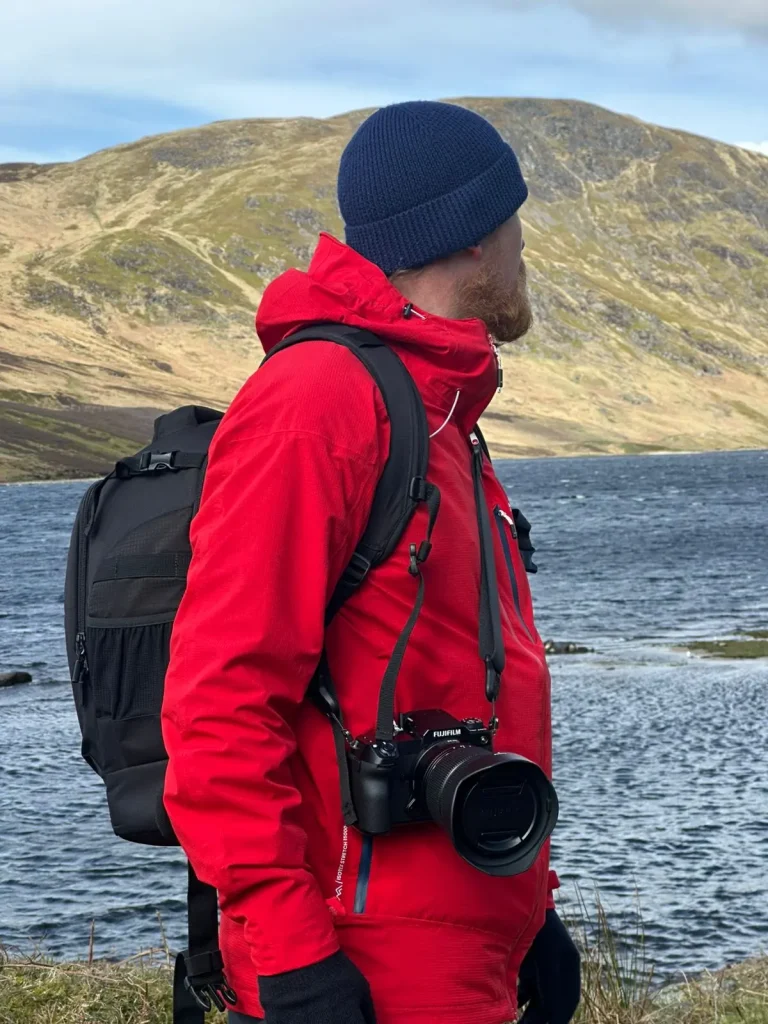
If you’re a landscape photographer, you’re quite lucky as you don’t need to pay for all the bells and whistles on the latest generation of cameras, which mainly focus on autofocus and speed improvements. Actual image quality in terms of dynamic range and resolution has pretty much plateaued for years now.
When looking at the market today, the absolute pinnacle of landscape technology includes heavy-hitting monsters like the Fujifilm GFX100S II and the high-resolution Sony A7R VI. These represent the peak of detail and sensor technology.
However, there is a massive gap between what makes a “best-of” list on paper and what you should actually spend your hard-earned money on. That is why my practical recommendation for landscape photographers points toward older generation powerhouses like the Nikon Z7 II and the original Fujifilm GFX100S, or even lower-tier and legacy models like the OM System OM-1 II, the OM-5, or the legendary Nikon D850.
Why would I steer you toward these? Because for landscape photography, they are still 100% valid. Landscapes don’t run away, sprint across a field, or require lightning-fast AI tracking algorithms. When your camera is locked down on a tripod facing a mountain range at sunrise, an older sensor with incredible base ISO dynamic range and staggering pixel count will deliver identical real-world results to a brand-new body costing thousands more—leaving you with plenty of budget left over for glass, filters, and travel.
Here are the top landscape photography cameras available today. While the top two represent the absolute peak on paper—and the ones I will detail first—my real-world advice is that you should often look toward older generation powerhouses or lower-tier models lower down the list instead, because for landscape work, they are still 100% valid.
- Fujifilm GFX100S II – If you simply want the best possible camera (below the price of a Porsche) for landscape photography, the medium format (yes I know it’s argued it’s not true medium format, but it’s bigger than full frame) Fuji GFX100S II’s 100mp sensor resolution combined with pin-sharp Fuji GF glass is it. It’s weather-sealed, has good ergonomics, and offers everything that a landscape photographer could dream of. To save money, buy a used original GFX100S as I did. It offers the same image quality, just a little less speed in AF and use.
- Sony A7R VI – The Sony A7R cameras have long been loved by landscape photographers for their resolution. With a high-megapixel full-frame sensor along with class-leading dynamic range, if you want the latest and greatest full frame landscape photography camera, the A7R VI combined with some top-tier Sony GM lenses is it. Tip: get a used Sony A7R IV to save money and get very similar image quality.
- Nikon Z7 II – While the Z7 II is from the previous generation of Nikon bodies which are some way behind the likes of the Z8 and Z6 III in terms of autofocus and speed, they match or actually exceed them in terms of image quality. Offering the same 45mp of resolution as the Z9 and Z8 but from an older generation sensor which isn’t stacked, the Z7 II actually has very slightly better dynamic range, with more than enough detail for huge prints. It’s also a smaller and lighter body. I used one for years and combined with Nikon’s pin-sharp Z lenses and its base ISO of 64, it’s as good as any camera out there for the price. It’s weather-sealed, has decent battery life, and is comfortable to use.
- OM System OM-1 Mark II – If you enjoy landscape photography, hiking in all weathers to get to your location and just do it for the joy of being out in nature, despite what some influencers and YouTube would have you believe, the OM-1 Mark II, or even the OM-3, are excellent choices. The Micro Four Thirds sensor is still capable of producing really good image quality, the 20mp sensor can print excellent prints up to 30×20″, you probably won’t need to bring your tripod as hand-held 1-second and longer exposures are easy thanks to the incredible IBIS, and it has every computational mode that you can think of: Live Time and Live Bulb for long exposures, Live ND and Live Grad ND for in-camera long exposure and filter effects, and a hand-held Hi-Res mode of 50mp if your subjects are pretty still. Not to mention the best weather sealing of any camera available with an actual IP rating. Lenses for Micro Four Thirds are also generally smaller and lighter, although the differences at wider focal lengths have been reduced in recent years by the likes of Nikon Z lenses.
- Nikon D850 – The best DSLR ever made and one that I used to own and seriously considered buying again last year. In terms of real life image quality, it’s as good as any mirrorless full-frame model. It’s rugged, weather-sealed, and the battery will last for days. If you can find a good used copy at a bargain and you’re not interested in the advances of mirrorless in terms of video, autofocus, and fancy functions, then the D850, purely for landscape photography, is still an absolute weapon. The only downsides are that they are increasingly hard to find, the lenses are larger and not as sharp as modern Nikon Z lenses, and you won’t get the nice image preview in the viewfinder that you do on mirrorless cameras, so you may find yourself chimping (looking at the rear screen after taking a shot) more.
See the full Nikon D850 review
Best Cameras for Wildlife & Action Photography
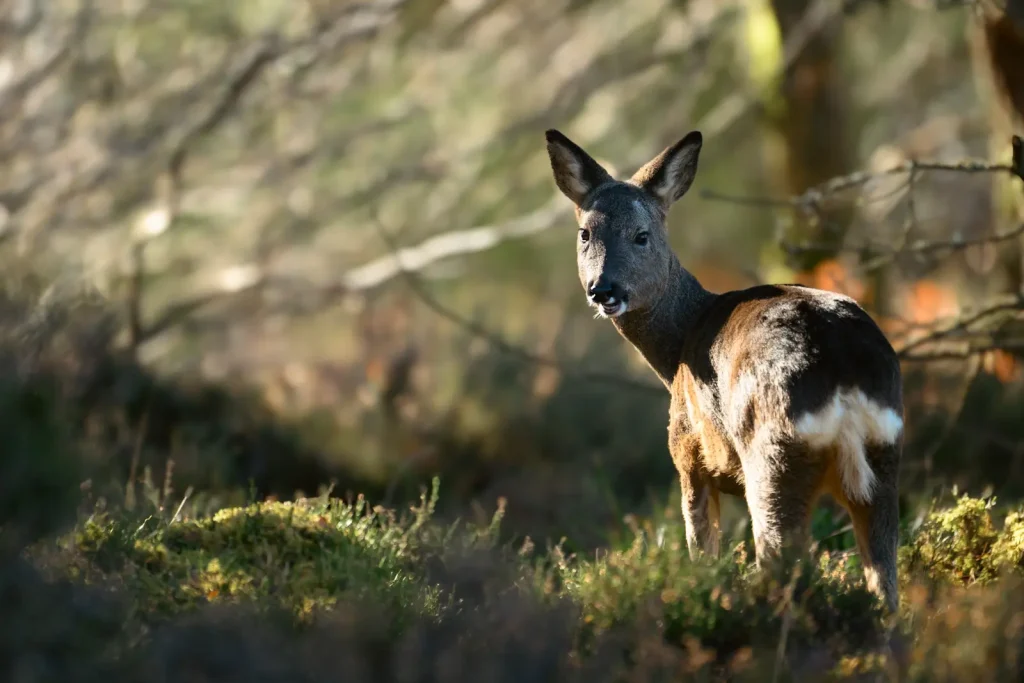
If you shoot wildlife and action, you are in the exact opposite position of the landscape photographer: you are entirely at the mercy of technology. Here, autofocus tracking performance, animal and bird eye-detection reliability, burst rates, and optical reach dictate whether you get the shot or come home with an empty memory card.
Before you buy a camera for wildlife photography, first look at the lenses that you will want and my advice would be to pick your camera based on the lens system.
Here are the top wildlife and action photography cameras available today, balanced with smart choices on where you can save your money.
- Sony A1 II – If money is no object and you want the ultimate, no-compromise apex predator of wildlife bodies, this is it. It pairs a blistering 50-megapixel stacked sensor with blackout-free 30fps burst shooting and next-gen AI subject recognition that locks onto birds, mammals, and fast-moving subjects instantly. The tracking reliability is world-class. To save money, look for a used original Sony A1; it delivers nearly identical high-speed tracking and high-res performance for a significantly lower investment. Just be aware that with Sony, once you want more than their 200-600mm lens offers, then you will suddenly face a massive price hike to get access to their top tier telephoto prime lenses.
- Canon EOS R1 – For fast-moving action and sports, the R1 is an absolute powerhouse. It features an integrated battery grip for fast switching between portrait and landscape orientation and longer battery life. Its AI-enhanced autofocus is fiercely fast,with a fully stacked sensor and cross type autofocus points as well as features like pre-continuous shooting. It the best camera in the World for sports and action photography. Canon’s custom button configuration also lets you instantly toggle between multiple distinct tracking modes on the fly.
- Canon EOS R5II – For wildlife, the Canon R5II offers one distinct advantage over the R1, Resolution, which is incredibly important for wildlife photography. It features very fast and reliable autofocus, great handling and solid construction. I shot wildlife on the original Canon R5 and found the autofocus and ability to customise the buttons superb. Once I accounted for the focal length, I was a little underwhelmed with the image quality when comparing it with the RF 100-500mm vs an OM system OM-1 with 300mm f/4 Pro. Canon wildlife glass, beyond the lower and middle tier zoom lenses gets expensive fast.
- Nikon Z9 – The Z9 is an elite-tier wildlife machine. It combines an integrated battery grip with a rugged, all-weather build that can survive absolute abuse in the field with a 45mp sensor and lightning-fast subject detection. Crucially, its biggest wildlife advantage is Nikon’s lens ecosystem: their use of Phase Fresnel (PF) designs makes telephoto lenses like the 400mm f/4.5, 600mm f/6.3, and the incredibly versatile 180-600mm vastly smaller, lighter, and easier to carry into the backcountry than competing glass. In 2026, the Nikon Z9 now offers even better value with price drops taking it under $5000 and with consistant firmware updates, it has improved significantly beyond the camera that was released back in 2021 and took the World by storm.
See the best settings for the Nikon Z8 for wildlife photography
- OM System OM-1 Mark II – Micro Four Thirds excels for wildlife photography, especially if your style involves long hikes carrying heavy gear. The 2x crop factor acts as a built-in teleconverter, meaning your telephoto lenses get double the reach with half the physical size and weight. Combined with blazing-fast electronic shutter burst rates, pre-capture framing (Pro Capture mode) that records frames before you even fully press the shutter, and top-tier weather sealing, it is an incredible field companion. To save money, grab the original OM-1; it shares the core speed and handling ergonomics at a steep discount now that the Mark II is out.
See my full OM-1 review
Best Cameras for Portrait & People Photography

When it comes to portraits, people, and studio work, your priorities shift again. Here, you care less about extreme telephoto reach or 30fps blazing speed, and more about reliable eye-detection autofocus that never loses the subject, flattering color science, and access to incredible glass that renders smooth, creamy background separation.
Here are the top portrait photography cameras available today.
- Fujifilm GFX 100 II – For high-end commercial fashion, studio lookbooks, or ultimate fine-art portraiture where every single pore, strand of hair, and fabric texture matters, medium format is king. The GFX 100 II yields an unmatched sense of depth, three-dimensional pop, and tonal gradation that full-frame sensors simply cannot replicate, paired with blistering processing speeds and top-tier EVF tech. Best lens – GF 110mm f/2.
- Canon EOS R5 Mark II – If you want the ultimate modern portrait machine, Canon takes the crown here. Beyond its stellar 45mp resolution, Canon’s skin tones straight out of camera are historically the most pleasing and natural-looking for human subjects. Coupled with jaw-droppingly fast eye-detection AF that locks onto a subject’s eye instantly—even through hair, hats, or side profiles—it ensures you never miss a fleeting expression. Best lens – RF 85mm 1.2L
- Sony A7 IV – Widely considered the ultimate all-around sweet spot for working portrait photographers. It balances a high-resolution 33mp full-frame sensor with phenomenal real-time eye tracking for both humans and animals, a massive ecosystem of native and third-party lenses (from Sigma, Tamron, and Sony GM), and dual card slots for professional reliability on paid shoots. Best Lens – 85mm 1.4GM II.
- Fujifilm X-T5 – If you prefer a smaller, lighter system for lifestyle, street portraiture, or environmental storytelling, you do not actually need full-frame. Fujifilm’s 40mp APS-C X-T5 gives you incredible detail, gorgeous physical control dials that make shooting feel like an analog experience, and access to legendary film simulations (like Classic Negative and Acros) that save you hours of grueling color grading in Lightroom. Best Lens – 56mm 1.2WR.
See the Fuji 56mm 1.2Wr review
Best Cameras for Street & Documentary Photography

When you are working the streets or capturing documentary projects, your priorities completely change again. You don’t need a heavy tripod rig, massive telephoto reach, or studio-grade multi-lighting sync. You need a camera that is discreet, lightweight, fast to handle, and allows you to blend into the environment without drawing a crowd or intimidating your subjects.
Here are the top street and documentary photography cameras available today.
- Fujifilm X100VI – The ultimate modern street machine. It takes everything people loved about the previous generations and packs a 40mp APS-C sensor, IBIS, and a razor-sharp 23mm f/2 lens (35mm equivalent) into a classic, low-profile body. The hybrid viewfinder lets you shoot like a rangefinder, and the built-in film simulations mean you can nail your look straight out of camera without living behind a computer screen. See my X100Vi review
- Ricoh GR IV / GR IIIx – If true pocketability is your main metric, nothing else touches the Ricoh GR series. It slips easily into a jacket pocket or jeans, boasts an APS-C sensor that punches way above its physical size, and features a snap-focus mechanism that lets you preset a focus distance for lightning-fast, zone-focused street shooting. Choose the standard GR III for a 28mm equivalent field of view or the GR IIIx for a tighter, more natural 40mm perspective. See my Richoh GRIV review.
- Fujifilm X-T5 – If you prefer the flexibility of interchangeable lenses for documentary work while keeping the kit compact, the X-T5 is hard to beat. It pairs physical exposure dials with a 40mp sensor and brilliant subject-detection autofocus, making it small enough for daily street carry yet powerful enough for assigned editorial storytelling. See my Fuji X-T5 review.
- Leica Q3 – If budget is no constraint and you want absolute luxury paired with uncompromising full-frame image quality, the Leica Q3 is a masterpiece. Featuring a stunning fixed 28mm f/1.7 Summilux lens, a high-resolution 60mp sensor, and a gorgeous tactile build, it is arguably the finest high-end documentary compact ever made—provided you are comfortable carrying a very expensive piece of gear through rough urban environments.
Best Cameras for Hybrid & Video Creators
When your workflow demands professional-grade 4K video production alongside high-resolution stills, you need a true hybrid powerhouse. Here are the top hybrid cameras available today.
- Sony A7S III – The undisputed king of low-light video performance. Its 12.1mp full-frame sensor is purpose-built for video, delivering clean, noise-free footage in near darkness, unlimited recording times without overheating, and phenomenal active stabilization.
- Nikon Z6 III – A phenomenal mid-range hybrid tool built around the world’s first partially-stacked CMOS sensor. It brings blistering sensor readout speeds, internal 6K N-RAW and ProRes RAW recording, gorgeous 4K up to 120p slow-motion, and the brilliant subject-detection autofocus inherited straight from Nikon’s flagship Z8 and Z9 bodies.
- Panasonic Lumix S5IIX – Arguably the best value-driven hybrid tool on the market. It brings phase-detect autofocus to the Lumix line for the first time, pairs it with industry-leading internal ProRes recording, external SSD support, and exceptional video-centric tools that punch well above its price tag. It’s also offers the best video workflow of all the cameras here, making video production straight forward. In my opinion, Panasonic’s Natural picture profile is the best Non-Log profile of any camera on the market for those who don’t want to heavily grade their footage.
Conclusion: Finding the Right System for Your Journey
Choosing the right camera in today’s market isn’t about finding a single “best” option—it’s about finding the tool that matches your creative ambition, your budget, and how you love to shoot. Whether you are stepping up from a smartphone, diving into content creation as a hybrid shooter, or building out a professional commercial kit, the options available today offer incredible capability at every level.
That said, while the latest flagship releases are undeniably impressive, they certainly aren’t necessary for everyone. Often, the smartest move is to save your cash by looking at earlier models—or even the used market—and putting that extra money directly toward better glass or actual travel and experiences. A slightly older body with exceptional lenses will almost always outperform the newest sensor paired with mediocre optics.
Ultimately, take a close look at what you love shooting most, evaluate the lenses and features that will actually serve you best, and choose the system that inspires you to get out and capture the world.
Frequently Asked Questions
Should I buy a crop-sensor (APS-C) or full-frame camera in 2026?
For most enthusiasts and beginners, an APS-C camera offers the best balance of performance, weight, and cost. Modern APS-C sensors (like those in the Nikon Z50II or Fujifilm X-T5) produce exceptional image quality that easily satisfies large print requirements. Go full-frame only if you frequently shoot in extreme low light, need ultra-shallow depth of field, or require maximum cropping flexibility for professional commercial work.
Is buying used camera gear safe?
Buying used is one of the smartest ways to stretch your photography budget. Trusted retailers (such as MPB or KEH) rigorously test gear, assign accurate condition ratings, and offer warranties. If buying private, always check shutter count, inspect sensor glass for scratches, and test all dials and electronic contacts before finalizing the purchase.
How much should I spend on lenses versus the camera body?
A golden rule in photography is to invest in your glass. A modest camera body paired with a sharp, high-performance prime or professional zoom lens will almost always outperform an expensive flagship body bogged down by a cheap, low-end kit lens. Lenses retain their value far longer than camera bodies, too.
Frequently Asked Questions
Should I buy a crop-sensor (APS-C) or full-frame camera in 2026?
For most enthusiasts and beginners, an APS-C camera offers the best balance of performance, weight, and cost. Modern APS-C sensors (like those in the Nikon Z50II or Fujifilm X-T5) produce exceptional image quality that easily satisfies large print requirements. Go full-frame only if you frequently shoot in extreme low light, need ultra-shallow depth of field, or require maximum cropping flexibility for professional commercial work.
Is buying used camera gear safe?
Buying used is one of the smartest ways to stretch your photography budget. Trusted retailers (such as MPB or KEH) rigorously test gear, assign accurate condition ratings, and offer warranties. If buying private, always check shutter count, inspect sensor glass for scratches, and test all dials and electronic contacts before finalizing the purchase.
How much should I spend on lenses versus the camera body?
A golden rule in photography is to invest in your glass. A modest camera body paired with a sharp, high-performance prime or professional zoom lens will almost always outperform an expensive flagship body bogged down by a cheap, low-end kit lens. Lenses retain their value far longer than camera bodies, too.
Which camera brand offers the best overall value for professional work?
Nikon currently offers exceptional value for money at a professional level. It delivers flagship-level performance, robust weather sealing, and access to a brilliant compact telephoto lens lineup at a significantly lower price point than competing professional bodies.
Are older, previous-generation camera models still worth buying?
Yes. Camera technology reached a point years ago where pure image quality is more than good enough for most professional and personal needs. Buying a previous-generation model saves a substantial amount of money while still giving you stellar performance.
Do I need a full-frame camera to get professional image quality?
No. While full-frame sensors have advantages in extreme low-light performance and shallow depth-of-field control, modern high-resolution APS-C and medium format systems easily deliver professional-grade image quality suitable for commercial print and digital publishing.
Wow a great article. I am looking to upgrade my Panasonic S5 ii mainly as I am not happy about the autofocus especially for tracking moderately fast moving subjects. This article was a great read and has me changing my mind to each and everyone, haha. I also own the Fuji XT3 and love that camera but does not have Ibis which bothers me somewhat. I think I will eventually upgrade to the XT5 or even wait for the XT6. I still will swap out the S5ii for a faster focussing system but torn now between Sony and Nikon. I am a predominantly stills shooter with only a little over 12 months experience but am loving photography and all the things it brings into your life.
Keep up the reviews and articles they are very well written and informative.
Hi Ashley, Thanks for taking the time to comment and I’m glad you found the article useful. I brought my Z8 and Z6III back with me from the UK this week so will be adding a lot of content on the Nikon Z system soon. Having previously owned quite a few Sony’s including the A7IV I hope you will find the future articles very useful. So glad to hear that you are loving photography. A quick bit of advice I would give is to pick the camera not just on specs, but what feels right to you, what makes you want to go out and shoot more photos. All the best and I hope you continue to enjoy your photography.
Thank you for your reply David. You’re absolutely right about what feels right. I will look out for your forthcoming articles on the Nikon system you are using. I have tried the Sony A7iv and A7Cii in a local store and. Liked both of those. Also tried the Nikon ZF but did not like it as much. I will try to get a hand on the Nikon Z6 iii soon hopefully and try that and possibly the canon R6 ii.
All the best to you.
Hi Ashley, I agree regarding the Nikon ZF, I had one for a week or so last year and returned it. It feels uncomfortable, overly heavy and the dials felt like an afterthought and didnt really function in the way that Fuji’s do. The Z6III is excellent though. I’ll be writing some content on that soon. All the best.
No canon? What about the Canon R5 ll, you mentioned ergonomics and color, 2 things Canon owners brag about. Thank you for the article though, great info just wanted to see how canon stacks as I’m about to shop here next month or 2
Hi Michael,
No Canon articles on the site yet — but they’re coming. I actually started my photography journey on Canon years ago and owned the Canon R5 for a while. It’s a fantastic camera, especially for colour and ergonomics as you mentioned.
My only hesitation with the R system when I last used it was the lens lineup — it feels split between very affordable beginner lenses and then quite expensive pro lenses, with not much middle ground in between. If you’re willing to invest in the higher-end RF glass, the results can be excellent. That’s something I’ll be exploring properly when I build out the Canon hub in the near future.
Appreciate you reading — and I’ll make sure Canon gets included in the comparison soon.
All the best David
I’m a beginner and this guide made camera selection much easier.
Appreciate the clear comparison!
Hi Farwa,
Thanks for your kind comment. I’m glad the article helped.
All the best
David