
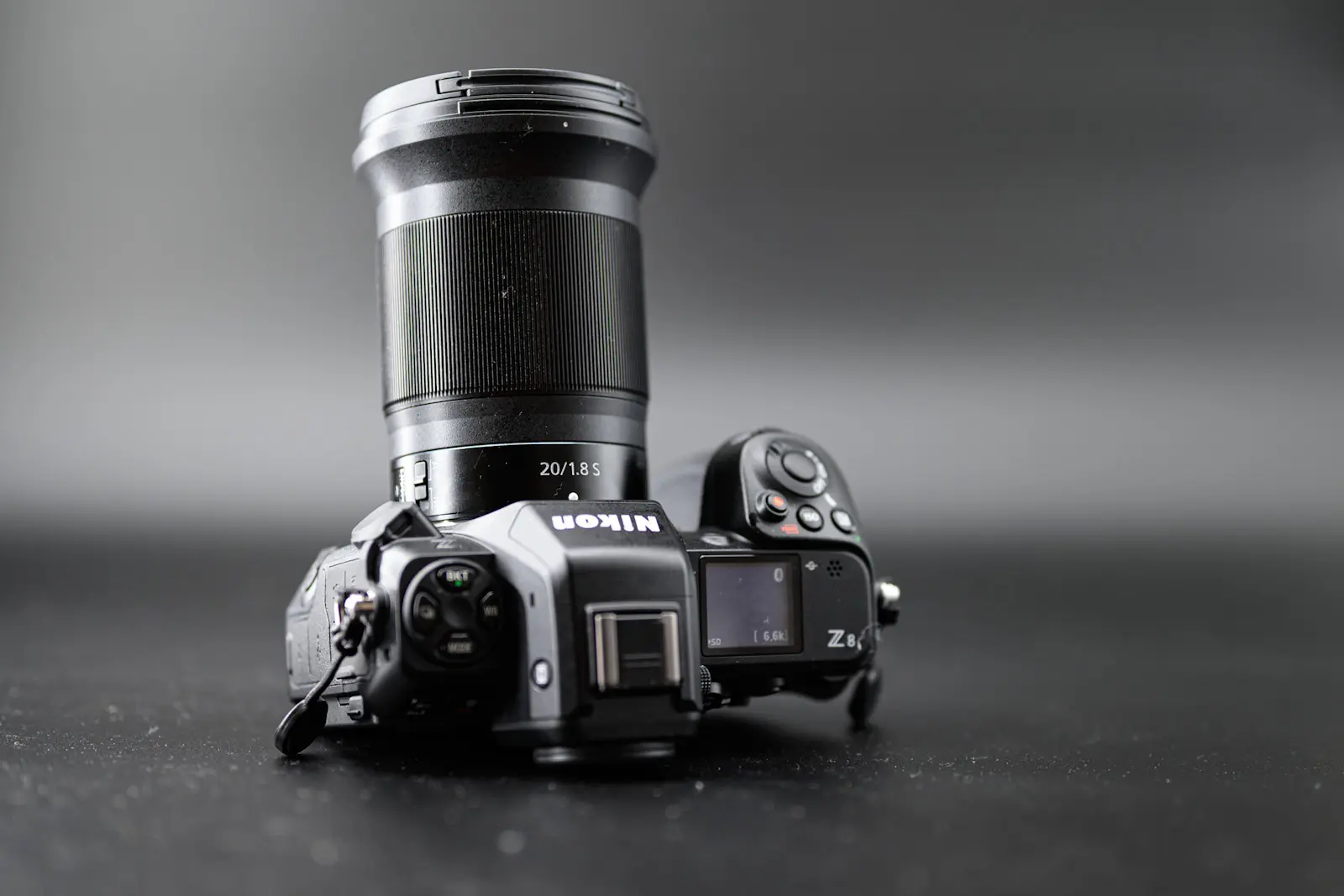
I bought the Nikon Z 20mm f/1.8 S to give me a relatively lightweight wide-angle lens for those occasions when my Nikon Z 24-120mm f/4 S wasn’t quite wide enough.
Instead, I’ve found myself using it not for traditional wide vistas and expansive views of the Highlands, but on local walks through ancient woodland and farmland. Rather than using it to capture grand landscapes, I’ve been using it to explore a different way of seeing and composing photographs.
As a result, this lens has spent far more time on my camera than I ever expected.
TL;DR
The Nikon Z 20mm f/1.8 S is an optically excellent wide-angle prime with impressive sharpness, excellent control of chromatic aberration and strong flare resistance.
However, what makes it special isn’t its image quality. It’s the way it encourages you to photograph differently. The 20mm focal length rewards photographers who are willing to move closer, think carefully about composition and use foreground elements to create more immersive images.
While many photographers will be better served by the flexibility of the Nikon Z 14-30mm f/4 S or 14-24mm f/2.8 S, those who enjoy working with a fixed focal length will find the Nikon Z 20mm f/1.8 S a highly rewarding lens that is capable of far more than simply capturing expansive landscapes.
Rating: 9/10 – One of the most enjoyable Nikon Z lenses I’ve used, provided you’re willing to embrace the challenge of shooting at 20mm.
Nikon Z 20mm f/1.8 S
Check Latest PriceThis article contains affiliate links. If you purchase through these links, I may earn a small commission at no additional cost to you. Thank you for supporting the site.
More Nikon Z Lens Guides
For more detail on the best lenses for the Nikon Z system, see my full Nikon lens guides below:
This article contains affiliate links. If you purchase through these links, I may earn a small commission at no additional cost to you. Thank you for supporting the site.
More Than Just a Landscape Lens
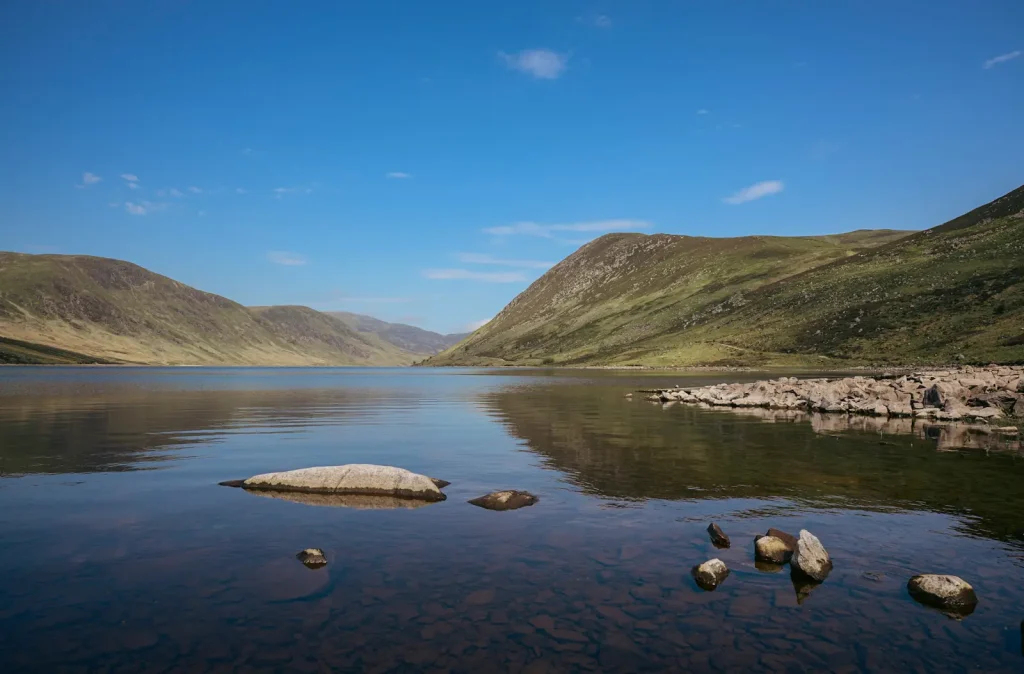
Initially, I took the Nikon Z 20mm f/1.8 S out on my Z6 III during a particularly stressful period.
I wanted to walk my local woodland, clear my head and spend some time outdoors. To simplify things, I deliberately chose a prime lens. Removing the option to zoom meant one less decision to make, while the bright f/1.8 aperture would help keep ISO levels under control on the dull, rainy days that are so common in Scottish woodland.
To be honest, I wasn’t expecting to come home with any great photographs. The goal was simply to get out of the house and decompress.
What I found while exploring local farm tracks and ancient woodland was unexpected.
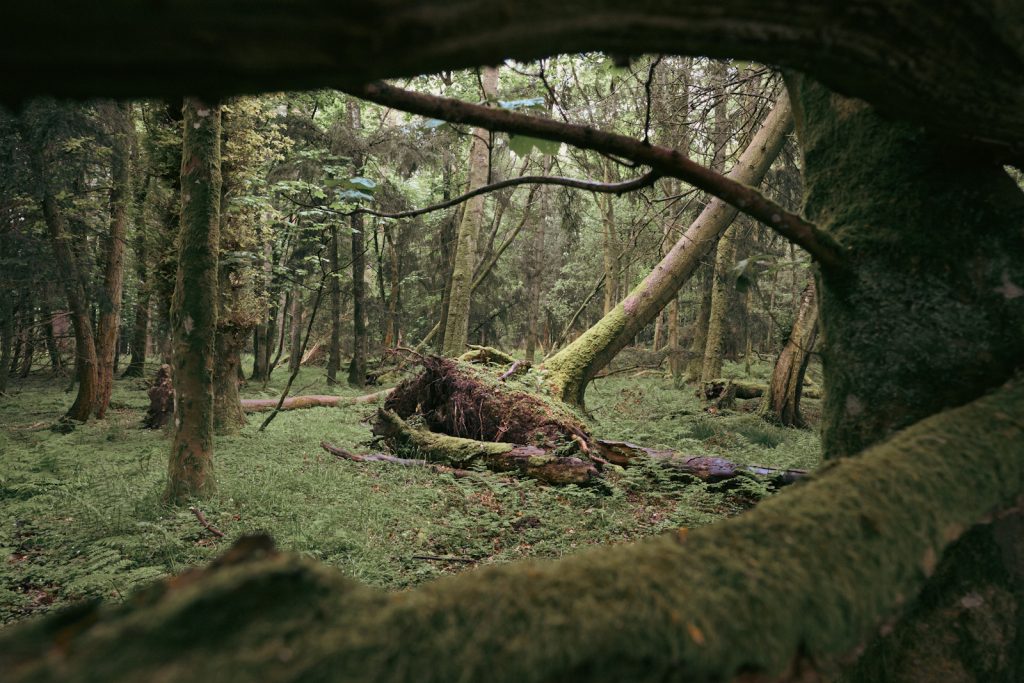
The 20mm focal length encouraged me to really look and see in a way that zoom lenses often don’t. Its wide perspective forced me to pay close attention to every element in the frame, move closer to subjects, and think carefully about the relationship between foreground and background.
At the same time, the lens offered an unusual combination: I could get physically close to a subject while still including a strong sense of place and context. A patch of grass, a weathered fence post or a small group of trees could become the focal point of an image without losing the surrounding environment that gave it meaning.
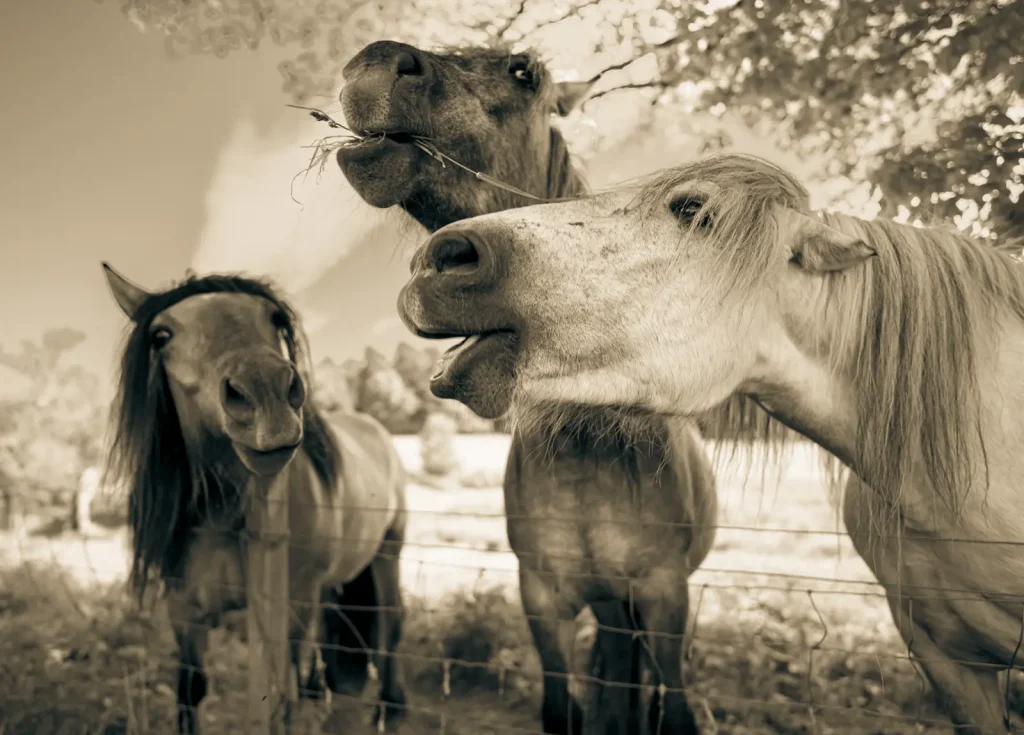
As a result, composing photographs became a far more immersive experience. Sometimes it was challenging. Often it required more thought than simply zooming in on a subject. But when everything came together, it was also incredibly rewarding.
That experience is a large part of why the Nikon Z 20mm f/1.8 S has spent far more time on my camera than I originally expected. It encouraged me to shoot it more on my Nikon Z8 too.
Build Quality
Nikon Z 20mm f/1.8 S Specifications
| Mount | Nikon Z |
| Focal Length | 20mm |
| Maximum Aperture | f/1.8 |
| Minimum Aperture | f/16 |
| Lens Construction | 14 elements in 11 groups |
| Special Elements | 3 ED, 3 aspherical |
| Angle of View | 94° |
| Minimum Focus Distance | 0.20m / 7.9in |
| Maximum Magnification | 0.19x |
| Aperture Blades | 9 rounded blades |
| Autofocus | Stepping motor |
| Filter Size | 77mm |
| Dimensions | 84.5 x 108.5mm |
| Weight | 505g |
| Weather Sealing | Yes |
Like the rest of Nikon’s S-Line prime lenses, the Nikon Z 20mm f/1.8 S feels exceptionally well made.
Constructed from a combination of high-quality plastics and metal, the lens strikes an excellent balance between durability and weight. At 505g, it isn’t the smallest wide-angle prime available for the Nikon Z system, but it is light enough that I’ve happily carried it for several hours while exploring local woodland and farm tracks.
It takes 77mm filters which is a standard filter size and happens to be one of the two sizes of filters that I managed to salvage from the Philippines when I moved to Scotland this year. That allows me to share filters between it and some of my other lenses such as the Nikon Z 24-120mm f/4.
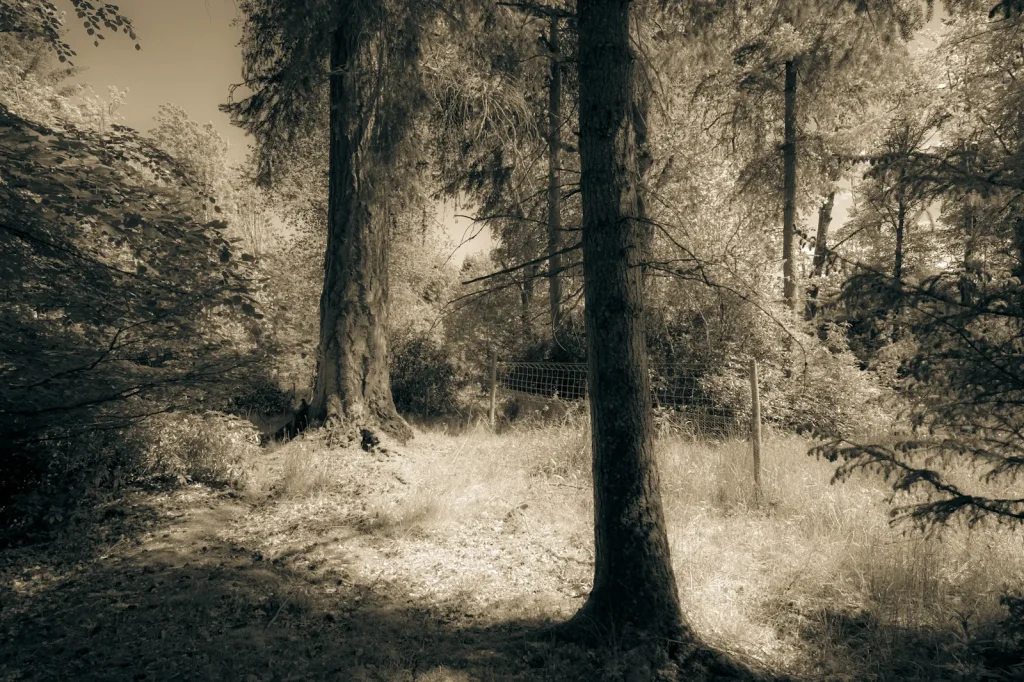
Mounted on both the Nikon Z6 III and Nikon Z8, the lens feels well balanced. It’s substantial enough to inspire confidence without ever becoming burdensome, which is particularly important for a lens that often encourages longer walks and slower, more deliberate photography. The design is similar to the Nikon Z 85mm 1.8S lens in that Nikon have opted for a more narrow and long design rather than fat and short. I prefer fat and short but that’s very subjective.
The weather sealing is also reassuring. Much of my early use of the lens took place during typical Scottish weather, where damp conditions, drizzle and muddy paths are often part of the experience. I never felt the need to baby the 20mm f/1.8 S when shooting outdoors.
Image Quality
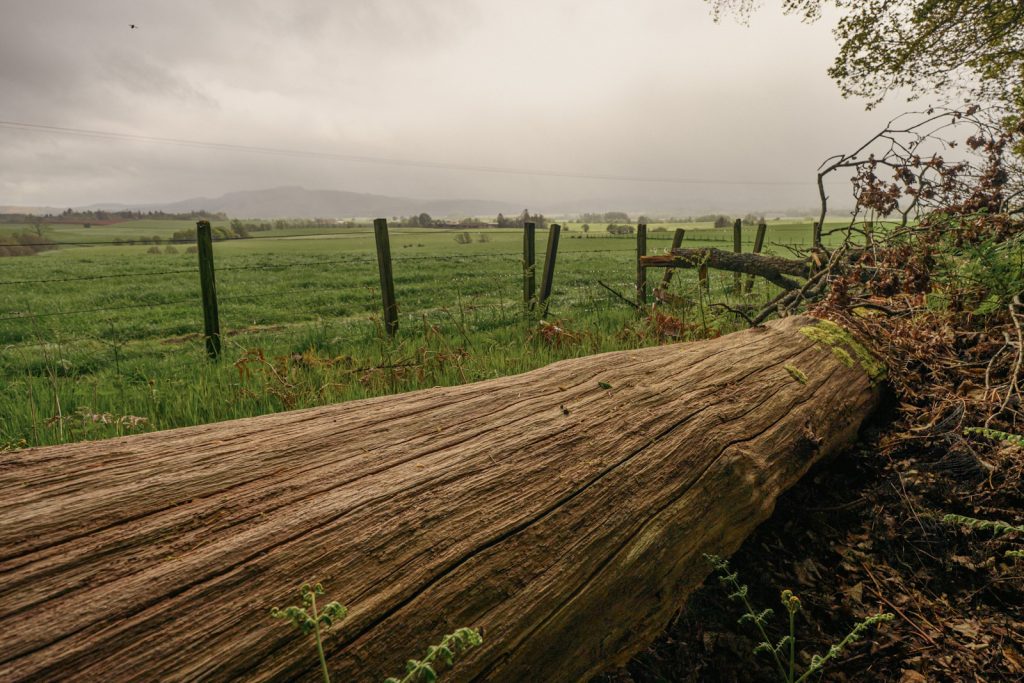
The Nikon Z 20mm f/1.8 S delivers excellent image quality and is one of those lenses that quickly disappears as a limitation when you’re shooting.
Wide open at f/1.8, the lens is impressively sharp in the centre of the frame whether mounted on the Nikon Z6 III or the higher-resolution Nikon Z8. Corner sharpness does soften slightly at wider apertures, but in practice I rarely found this to be an issue. If I’m shooting at f/1.8, my attention is usually on ensuring the subject is sharp rather than critically assessing corner performance.
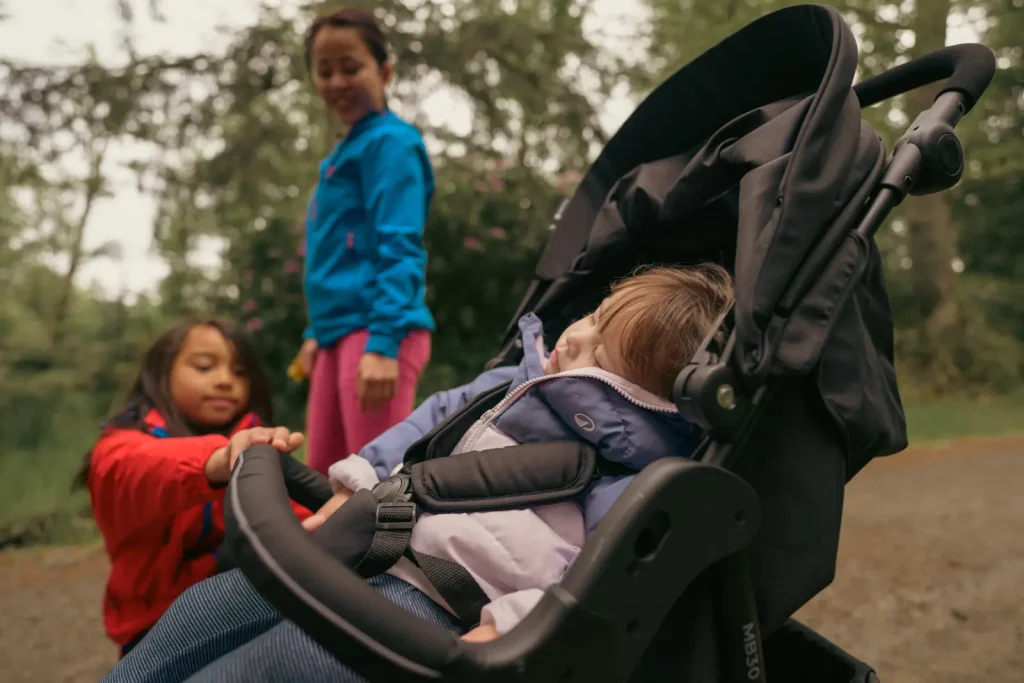
Stop the lens down and the performance becomes even more impressive. Between f/5.6 and f/11, the Nikon Z 20mm f/1.8 S produces excellent detail across the frame, including the corners. On the 45.7MP Nikon Z8, images remain highly detailed even when viewed at 100%.
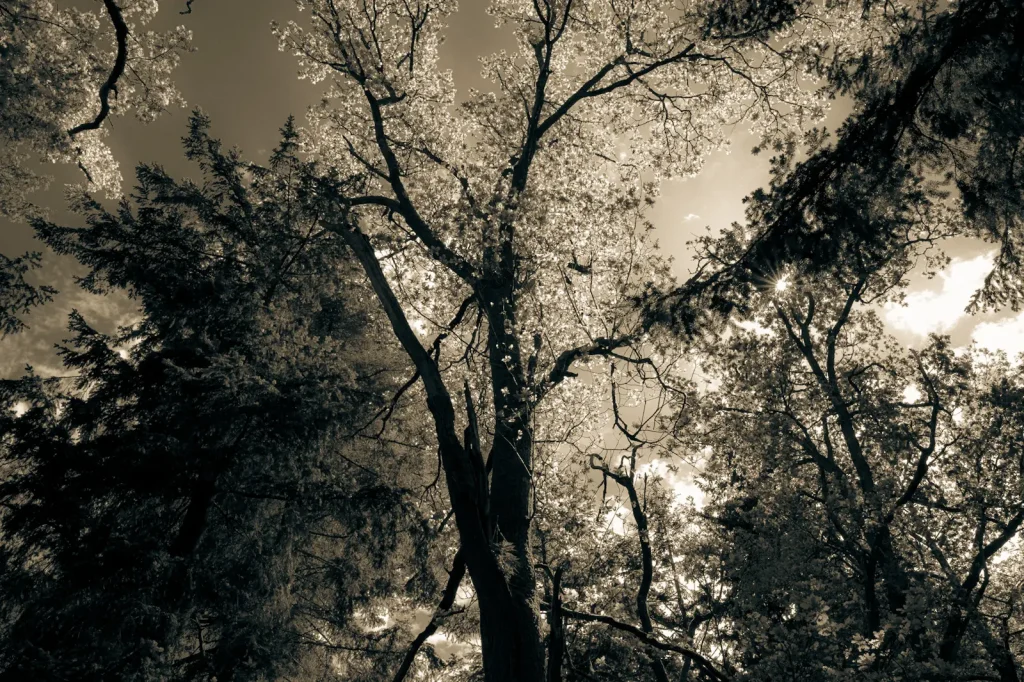
One aspect of the lens that particularly impressed me during woodland photography was its control of chromatic aberration. Backlit trees against bright skies are one of the harshest tests for any lens, yet the 20mm f/1.8 S handled these situations exceptionally well. Even in scenes with extreme contrast, I saw virtually no distracting colour fringing.
Flare resistance is similarly impressive. Nikon’s coatings do an excellent job of maintaining contrast when shooting into challenging light, while the supplied lens hood provides additional protection from stray light. Although no lens is completely immune to flare, the 20mm f/1.8 S performed very well in the situations I encountered.
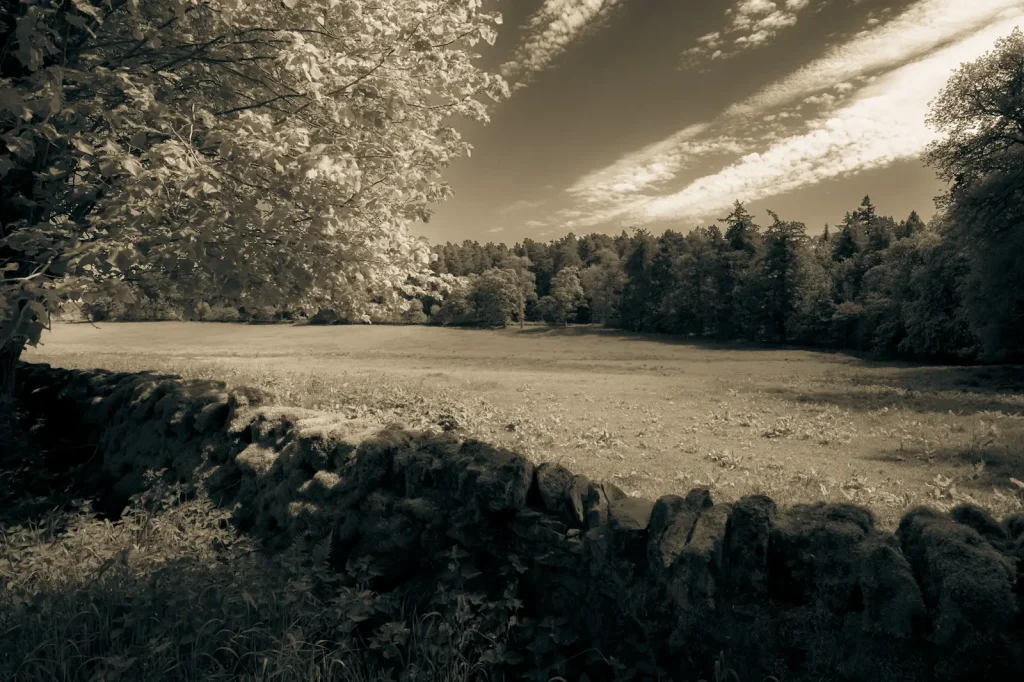
As with any ultra-wide-angle lens, distortion is something you need to be aware of. Keeping the camera level is important if you want to avoid converging verticals and exaggerated perspective effects. Fortunately, Nikon Z camera’s built-in level makes this easy, and any remaining distortion is quickly corrected in Lightroom using the lens profile. In real-world use, I found the optical distortion to be relatively well controlled.
What stands out most about the Nikon Z 20mm f/1.8 S, however, isn’t its sharpness, lack of chromatic aberration, or flare resistance—impressive though those qualities are.
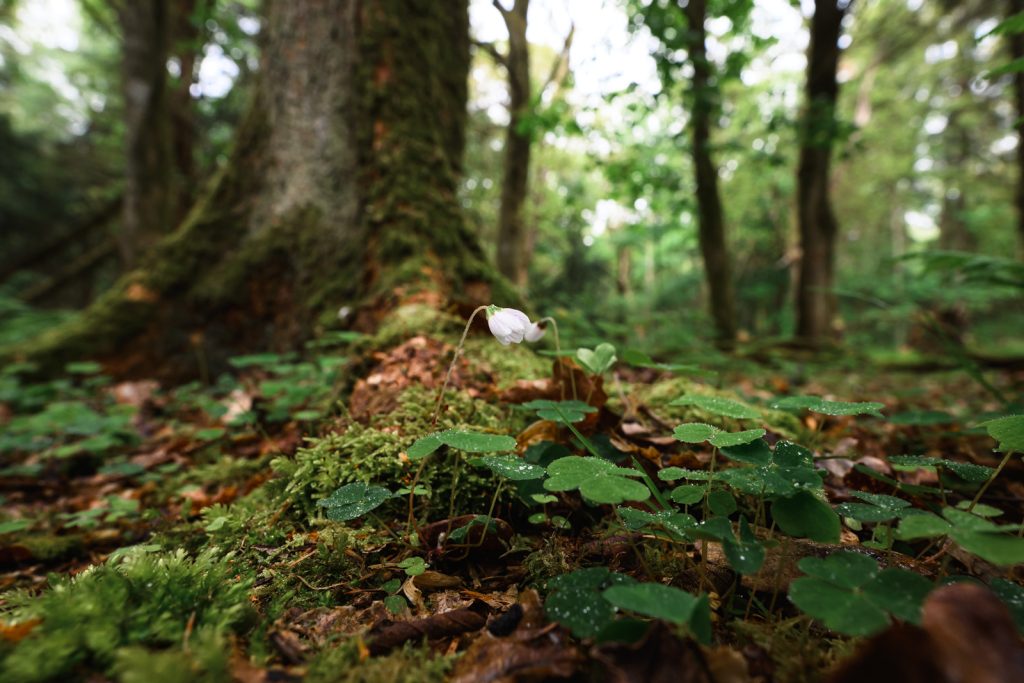
What makes this lens special is the way it encourages you to see. Its wide field of view pushes you to think more carefully about composition, relationships between subjects, and the use of foreground elements. It demands more attention than many lenses, but it also rewards that effort. The excellent optical performance simply ensures that when you do find a compelling composition, the resulting image lives up to the vision you saw in the field.
Nikon Z 20mm f/1.8 S
Check Latest PriceAutofocus Performance
Autofocus performance is exactly what I’ve come to expect from Nikon’s S-Line prime lenses. Focusing is fast, accurate and essentially silent.
In my use, which has mainly consisted of woodland photography, countryside walks and general outdoor shooting, the lens has never given me reason to think about autofocus at all. Focus acquisition is quick, subject detection works as expected, and accuracy has been consistently excellent on both the Nikon Z6 III and Nikon Z8.
Ultimately, autofocus is one of those areas where the Nikon Z 20mm f/1.8 S simply gets out of the way and lets you concentrate on making photographs.
Who Is the Nikon Z 20mm f/1.8 S For?
Landscape Photographers
If you know that 20mm is your preferred focal length, the Nikon Z 20mm f/1.8 S is an excellent choice. Not only is the image quality superb, but using a prime lens also gives a consistency to your images that can be difficult to achieve when constantly changing focal lengths with a zoom lens.
Astrophotographers
The combination of a wide 20mm field of view and a bright f/1.8 aperture makes this lens an obvious choice for astrophotography. It gathers plenty of light while allowing you to include a large portion of the night sky within the frame.
Documentary and Environmental Photographers
While many photographers think of the Nikon Z 20mm f/1.8 S as a landscape lens, I believe it has considerable potential for documentary photography. The wide-angle perspective allows you to create images and viewpoints that are difficult to replicate with a wide-angle zoom, particularly when you’re prepared to move your feet and work close to your subjects.
Family Photographers
One of the things I’ve enjoyed most about this lens is its ability to let you get physically close to a subject while still retaining context. For family photographers, that means images can feel immersive and intimate while still showing the environment around the people you are photographing. The bright f/1.8 aperture is also useful for indoor family gatherings, wedding venues and reception photography where light levels can be challenging.
Photographers Looking to Challenge Themselves Creatively
The Nikon Z 20mm f/1.8 S rewards photographers who are willing to slow down, think carefully about composition and pay attention to every element within the frame. It isn’t simply a lens for capturing more of a scene; it’s a lens that encourages a different way of seeing.
Who Should Look Elsewhere?
General Landscape Photographers
While the Nikon Z 20mm f/1.8 S is a fantastic lens, many landscape photographers would be better served by the Nikon Z 14-30mm f/4 S or Nikon Z 14-24mm f/2.8 S. Both lenses offer excellent image quality while providing the flexibility to adjust your composition simply by zooming. For many landscape photographers, that flexibility is more valuable than the wider aperture of the 20mm prime. The 14-30mm f/4 S is also no heavier than the 20mm f/1.8 S, making it an especially compelling alternative.
Photographers Looking for a General Purpose Lens
If you’re simply looking for your next Nikon Z lens and don’t have a specific need for a 20mm focal length, there are likely better options available. The Nikon Z 20mm f/1.8 S is a relatively specialised lens and won’t suit every style of photography.
Photographers Buying Their First Nikon Z Prime Lens
For most photographers, I would recommend starting with the Nikon Z 35mm f/1.8 S or Nikon Z 50mm f/1.8 S instead. Both are more versatile focal lengths that can comfortably handle everything from travel and family photography to portraits and everyday shooting. Once you’ve established what focal lengths you enjoy using most, it becomes much easier to justify adding a more specialised lens such as the 20mm f/1.8 S.
Related Nikon Z Lens Reviews
If you’re considering building a Nikon Z prime lens kit, you may also find these reviews useful:
What I Like
- Excellent image quality, particularly when stopped down for landscape photography.
- Very well controlled chromatic aberration, even in strongly backlit woodland scenes.
- Excellent flare resistance when shooting into challenging light.
- Bright f/1.8 aperture is useful in low light and for astrophotography.
- Weather-sealed construction inspires confidence in poor weather.
- Allows me to get close to subjects while still retaining a strong sense of context.
- Encourages a more thoughtful and deliberate approach to composition.
- Sharp enough to take full advantage of the Nikon Z8’s 45.7MP sensor.
- 77mm filter thread is practical and compatible with many common filters.
- Has become far more versatile and enjoyable to use than I initially expected.
What I Don’t Like
- If I’m being picky, I would prefer a wider and shorter lens design. The Nikon Z 20mm f/1.8 S isn’t particularly large, but it isn’t as compact as some photographers might expect from a 20mm prime.
- For casual walk-around photography, the 20mm field of view can require more thought and effort than more traditional focal lengths such as 35mm or 50mm. While this can be rewarding, it isn’t always the lens I would reach for when I simply want to wander and photograph without thinking too much about composition.
Final Thoughts
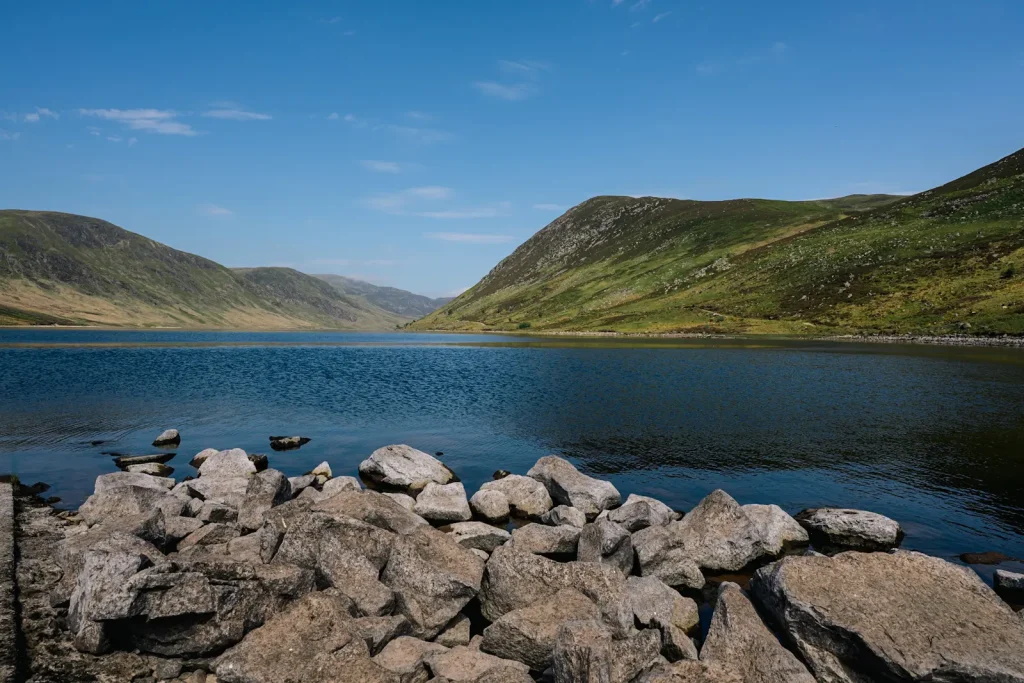
I bought the Nikon Z 20mm f/1.8 S as a relatively lightweight wide-angle lens for those occasions when my Nikon Z 24-120mm f/4 S wasn’t quite wide enough.
What I didn’t expect was how much I would enjoy using it.
While the optical performance is excellent, with impressive sharpness, excellent control of chromatic aberration and strong flare resistance, those aren’t the reasons this lens has spent so much time on my camera.
The real appeal of the Nikon Z 20mm f/1.8 S is the way it encourages you to photograph differently. It rewards photographers who are willing to slow down, pay attention to the relationships between elements within a scene and think carefully about composition. In return, it offers a perspective that is difficult to replicate with other lenses.
It won’t be the right lens for everyone. Many photographers will be better served by the flexibility of the Nikon Z 14-30mm f/4 S or 14-24mm f/2.8 S, while others may find a 35mm or 50mm prime more useful for everyday photography.
However, if you enjoy working with a fixed focal length, appreciate the immersive perspective of a wide-angle lens and want something capable of far more than simply capturing expansive landscapes, the Nikon Z 20mm f/1.8 S is an easy lens to recommend.
For me, it has become one of the most enjoyable lenses in my Nikon kit.
Thanks for this thoughtful and interesting review of the Z 20mm. Also: great pictures!
Thanks Flo.