
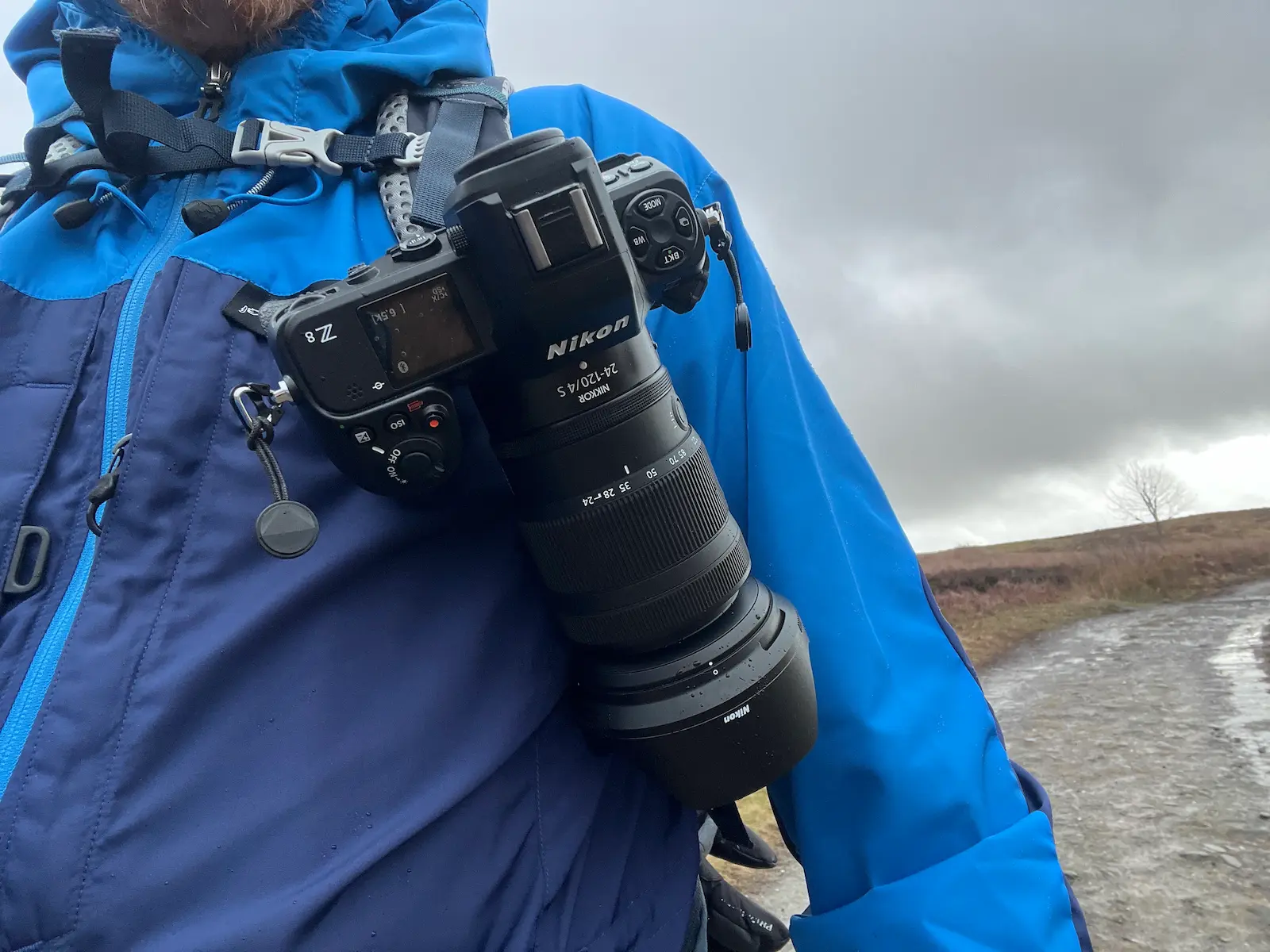
I’ve owned and used a lot of different lenses on the Nikon Z system, including most of the main options in the standard zoom range — from the 24–200mm through to the 24–70mm f/2.8 S. But the one I’ve ultimately settled on as my main lens in this range is the 24–120mm f/4 S, thanks to its balance of range and image quality.
It’s not a small lens, but it balances well on bodies like the Z8 and Z6III. The optics, while not quite at the level of the 24–70mm f/2.8, are still excellent across the range — and that 24–120mm focal length is incredibly flexible when you’re out walking in places like the Scottish Highlands- Which is why it’s one of the best lenses for the Nikon Z system.
The Nikon Z 24–120mm f/4 S is one of the most versatile lenses in the Nikon Z system. It offers excellent image quality across the range, fast and reliable autofocus, and a focal length that covers everything from wide landscapes to short telephoto shots.
It’s not the fastest lens, and it won’t give you the same subject separation as f/2.8 or prime lenses, but for travel, walking, and everyday photography, it’s hard to beat.
If you want one lens that can do almost everything without constantly switching, this is probably it.
This article contains affiliate links. If you choose to buy through them, I may earn a small commission at no extra cost to you. I only recommend gear I’ve personally used and trust.
• Focal Length: 24–120mm
• Maximum Aperture: f/4 (constant)
• Mount: Nikon Z
• Autofocus: Stepping motor (STM)
• Minimum Focus Distance: 0.35m
• Image Stabilisation: No (relies on in-body stabilisation)
• Filter Size: 77mm
• Weight: Approx. 630g
• Weather Sealed: Yes
Image Quality
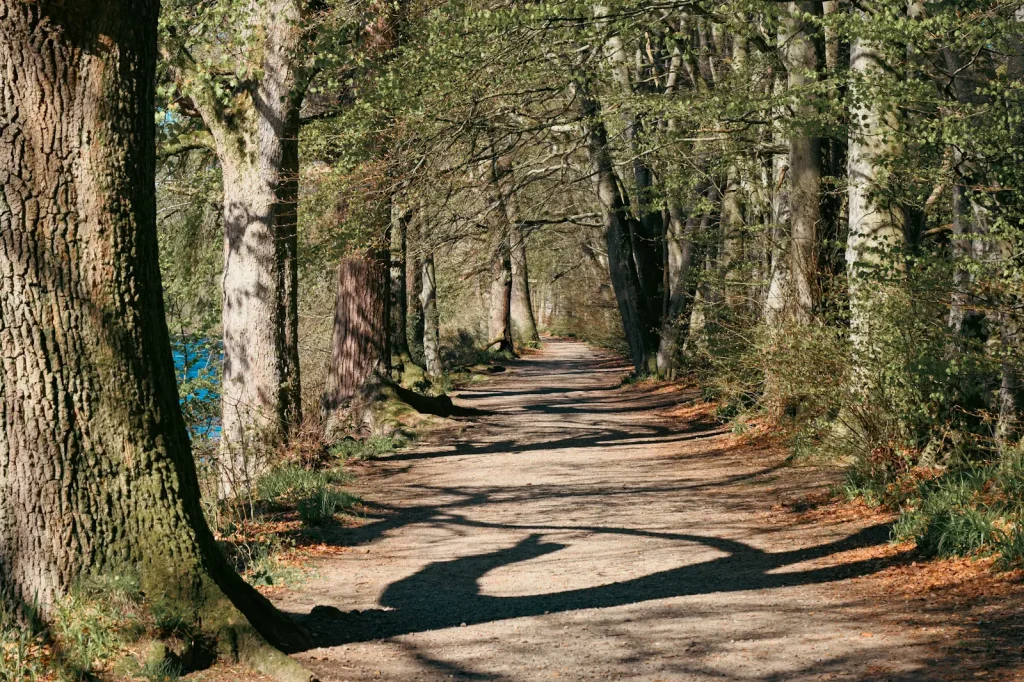
Every time I use the 24–120mm f/4, I’m pleasantly surprised by just how good it is. Whether I’m shooting landscapes, general scenes, or capturing people and animals at the long end, it consistently delivers sharp, detailed images.
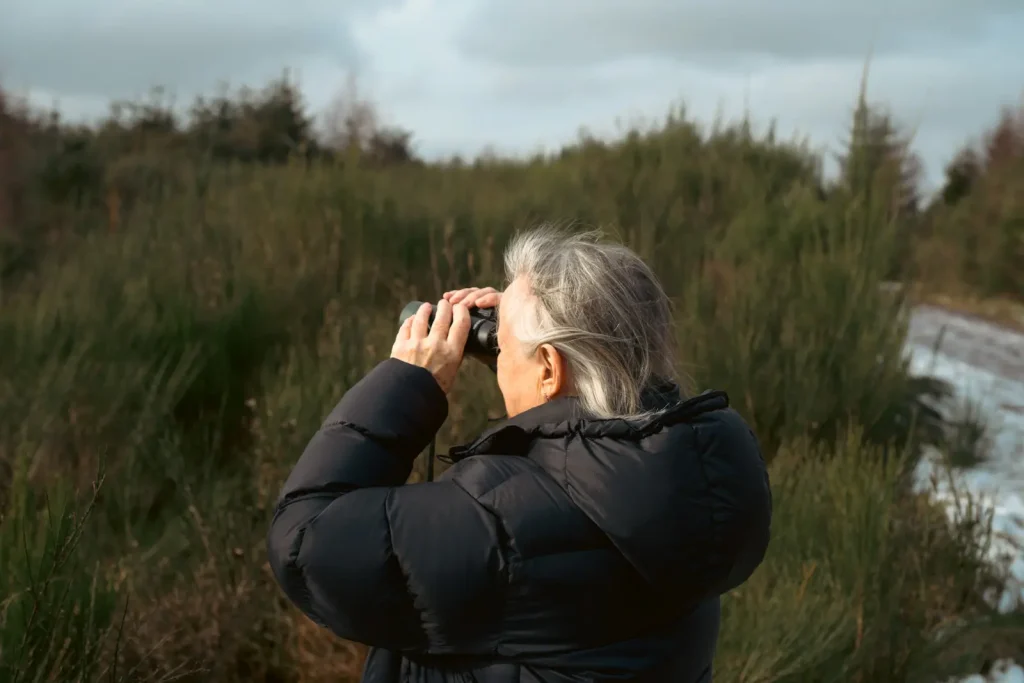
What stands out just as much is how clean the images look. Out-of-focus areas are smooth and well-behaved, while chromatic aberrations, flare, and distortion are all well controlled. I recently compared it to the Nikon Z 35mm 1.8S lens if you are interested in seeing how this zoom compares to a top prime.
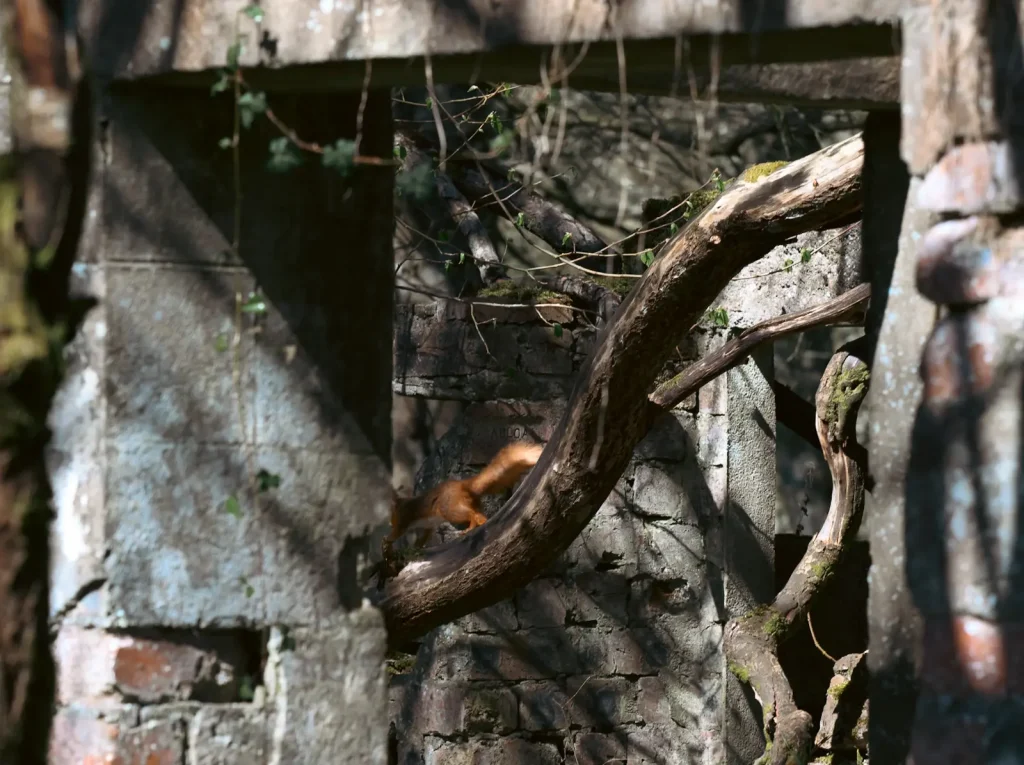
It’s also more than capable of resolving the 45MP sensor in my Z8, which means you can crop into images without them falling apart — something that adds even more flexibility to an already very versatile focal range. See my full Nikon Z8 review for more details.
If I’m heading out into the Scottish Highlands or the woodlands near where I live and I’m not sure what I’ll encounter, the 24–120mm f/4 has become my default choice.
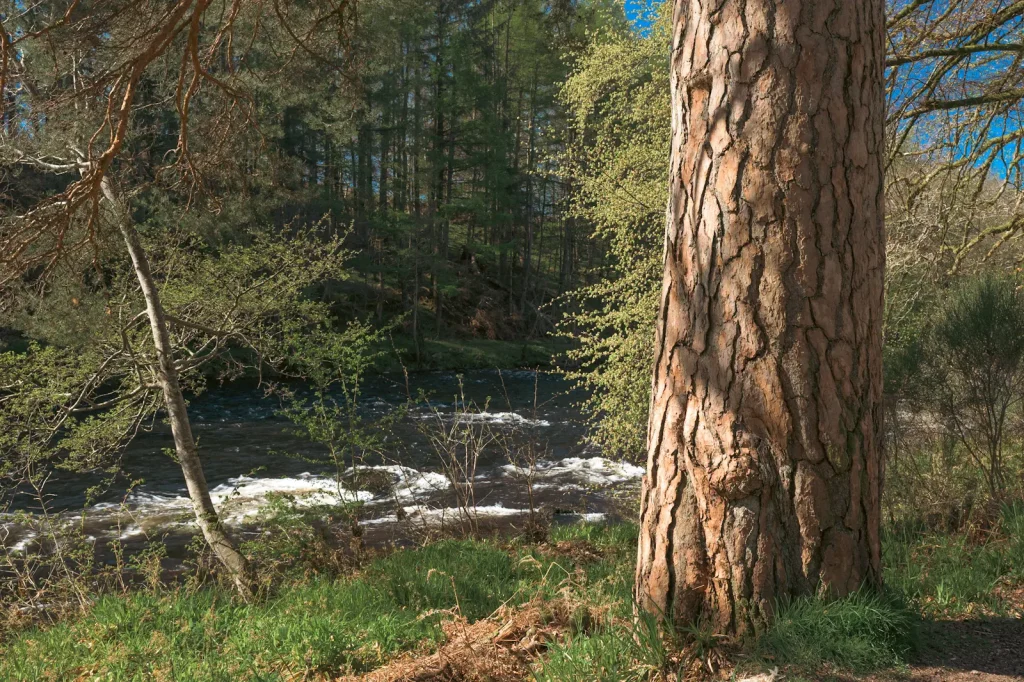
A 24–70mm can feel a little limiting on the long end, while a pro-level f/2.8 zoom often feels heavier than I need for the kind of photography I actually do. On the other hand, the 24–200mm, while more flexible, feels a bit too compromised optically to pair with a camera like the Z8.
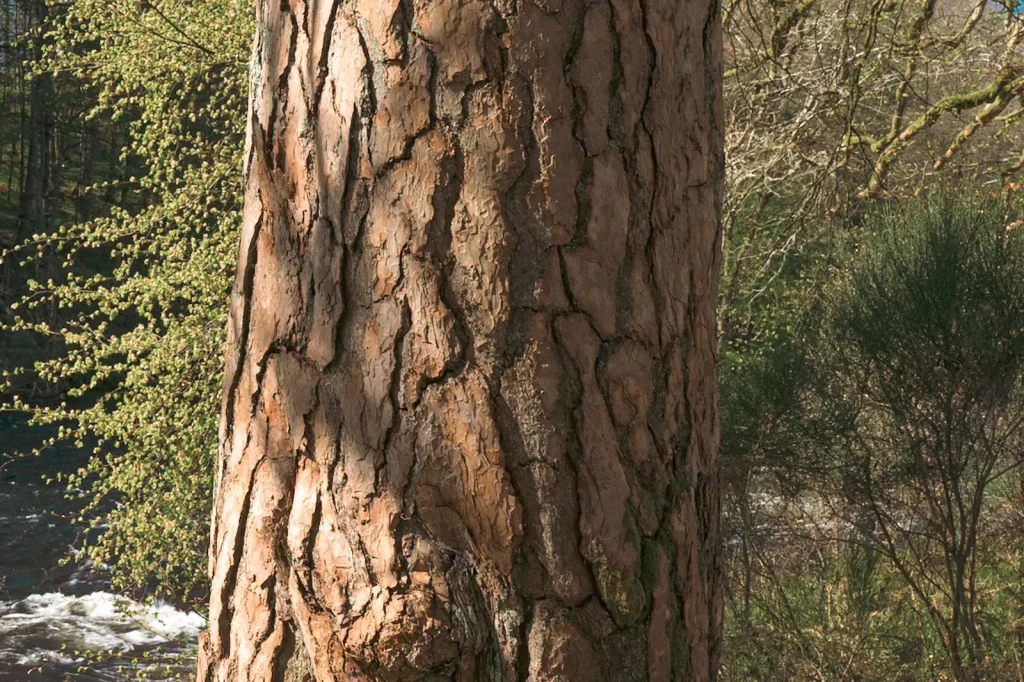
The 24–120mm f/4 sits right in the middle of those options, and for me, it strikes the balance almost perfectly. It gives you the flexibility to shoot everything from wide landscapes to tighter detail shots — even close-up work thanks to its short minimum focus distance — without the usual trade-offs in image quality you might expect from a lens with this kind of range.
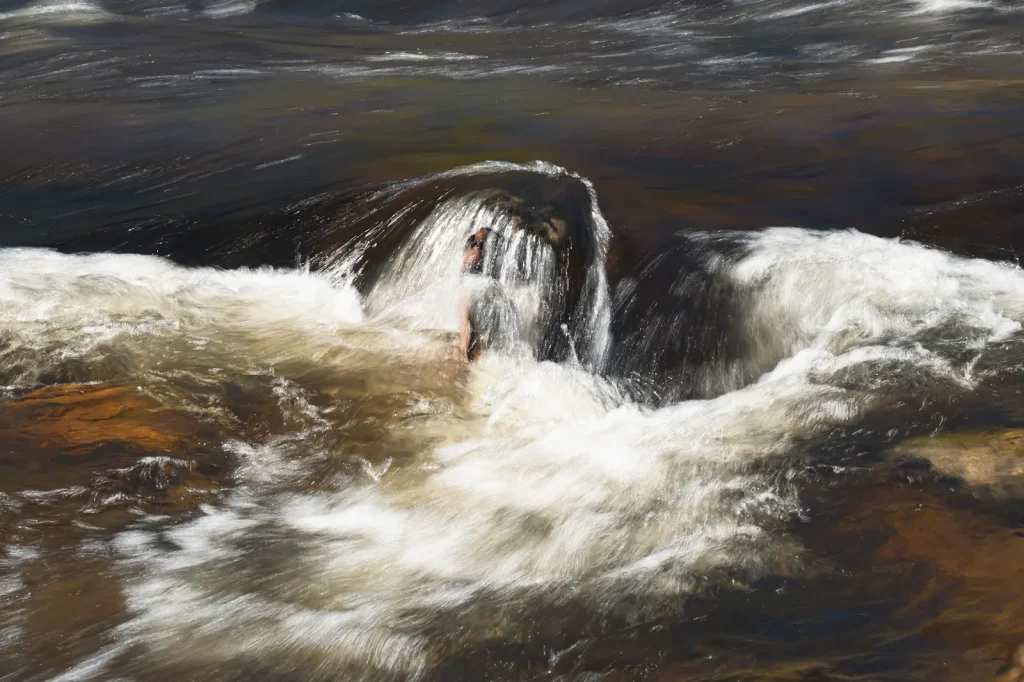
At f/4 on a full-frame sensor, it also hits a sweet spot in terms of usability. It’s bright enough to handle moving subjects like people, while still giving you enough subject separation when you need it — but without the size and weight that comes with faster lenses.
And for landscapes, where you’re often stopping down anyway, f/4 isn’t a limitation at all.
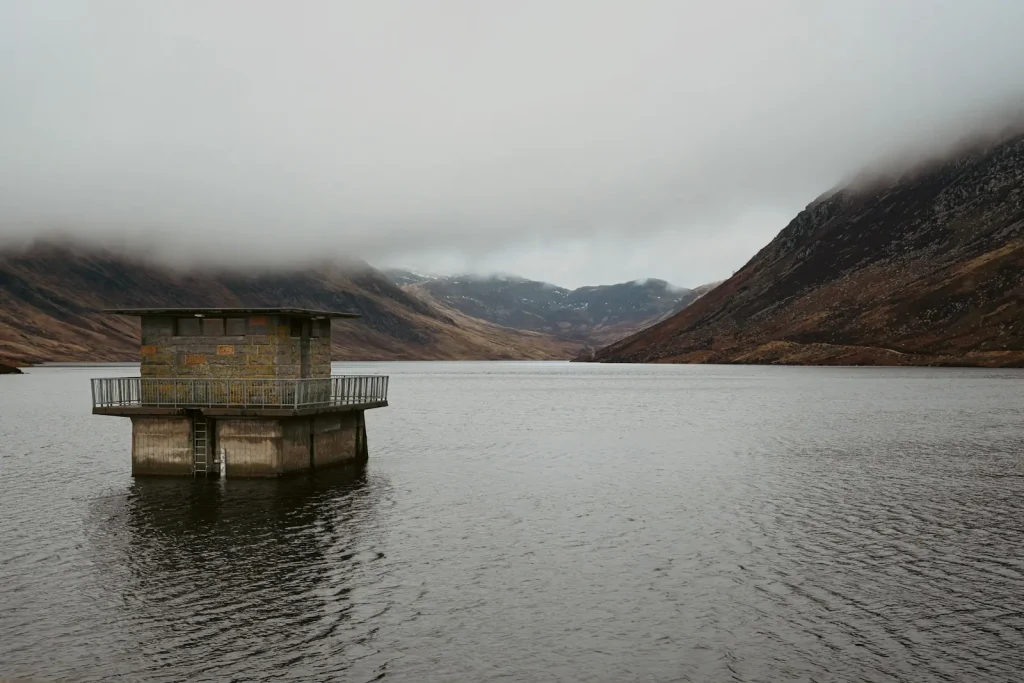
What you’re left with is a lens that’s sharp across the range, versatile enough for a wide range of subjects, and easy to carry — which, in real-world use, matters just as much as anything else.
A highly versatile standard zoom that covers everything from wide landscapes to short telephoto. It’s the lens I reach for when I just want to go out and shoot without thinking about what I might need.
Check Latest Price
Autofocus & Handling
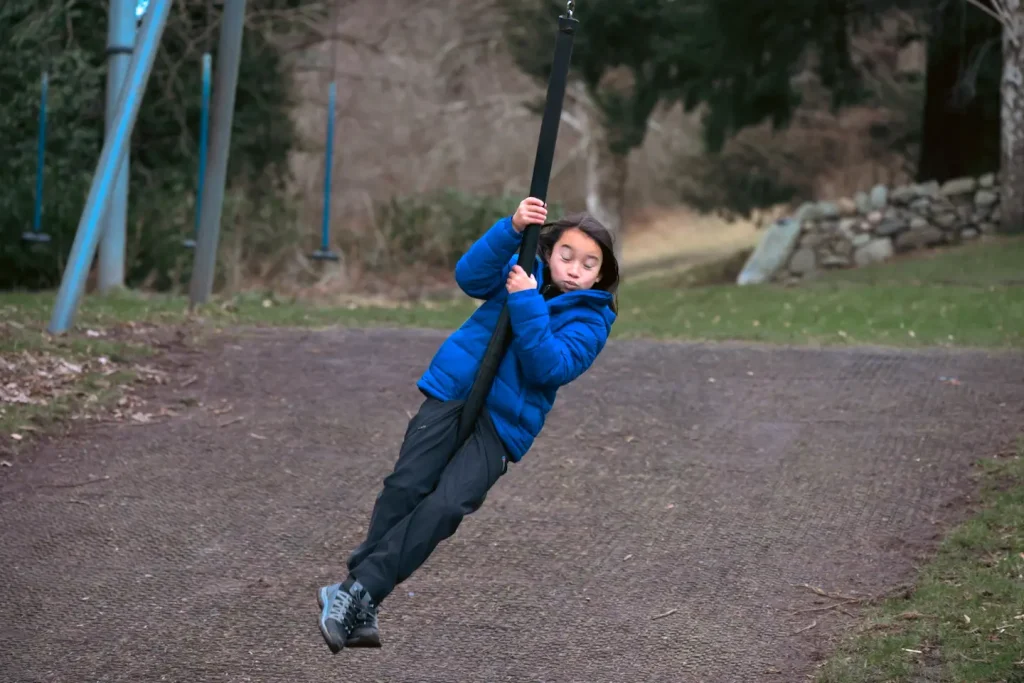
Autofocus is fast and reliable, whether you’re focusing on a specific point for landscapes or using subject detection on cameras like the Z8 or Z6III. It locks on quickly and has no trouble keeping up with moving subjects. I’ve used it on my Nikon Z6III photographing Sofia at the local park, and it kept up perfectly as she flew down the zip line. It also works perfectly well on my Nikon Zf but the balance feels a little off as I noted in my Nikon Zf review
What I enjoy just as much is how the lens feels in use — particularly on the Z8. The balance is spot on. It’s not a small lens, but the size and weight feel well judged, giving you something solid to hold without ever feeling bulky or front-heavy. It feels perfectly suited to Nikon’s DSLR-style Z bodies.
If you’re building out a Z8 kit and want something that covers almost everything, this lens is an easy recommendation — and it’s one of the first lenses I suggest in my best lenses for the Nikon Z8 guide.
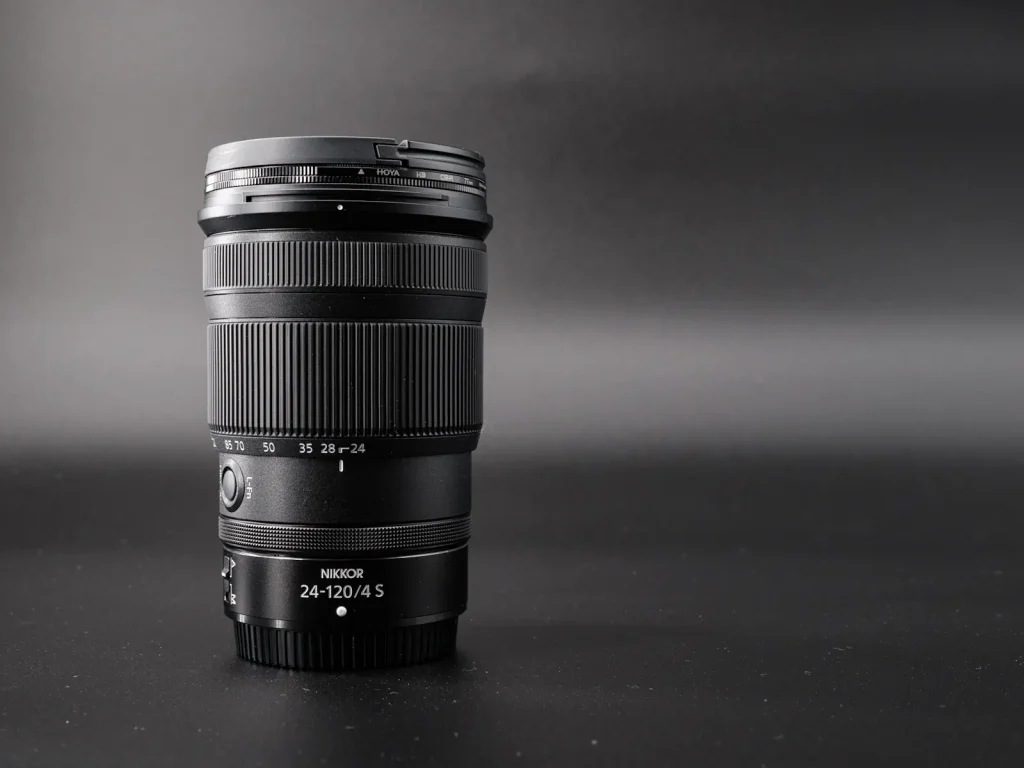
The construction is mostly plastic, but it still feels solid in the hand — and as a bonus, it doesn’t freeze your hands in winter the way some metal lenses can. Compared to the older F-mount 24–120mm f/4 I used on the D850, this version feels noticeably more refined and better balanced, despite only being around 80g lighter on paper.
The lens doesn’t include optical stabilisation, so if you’re using a Z body without in-body stabilisation, that’s something to keep in mind. On cameras like the Z8 and Z6III though, it’s not an issue — getting sharp handheld shots at slower shutter speeds is straightforward. For more details see my Nikon Z6III review.
It uses a telescoping zoom design, extending as you move through the focal range. Personally, I prefer internal zooms, but that would make a lens like this significantly larger. In this case, it’s a compromise that makes sense given the size and range.
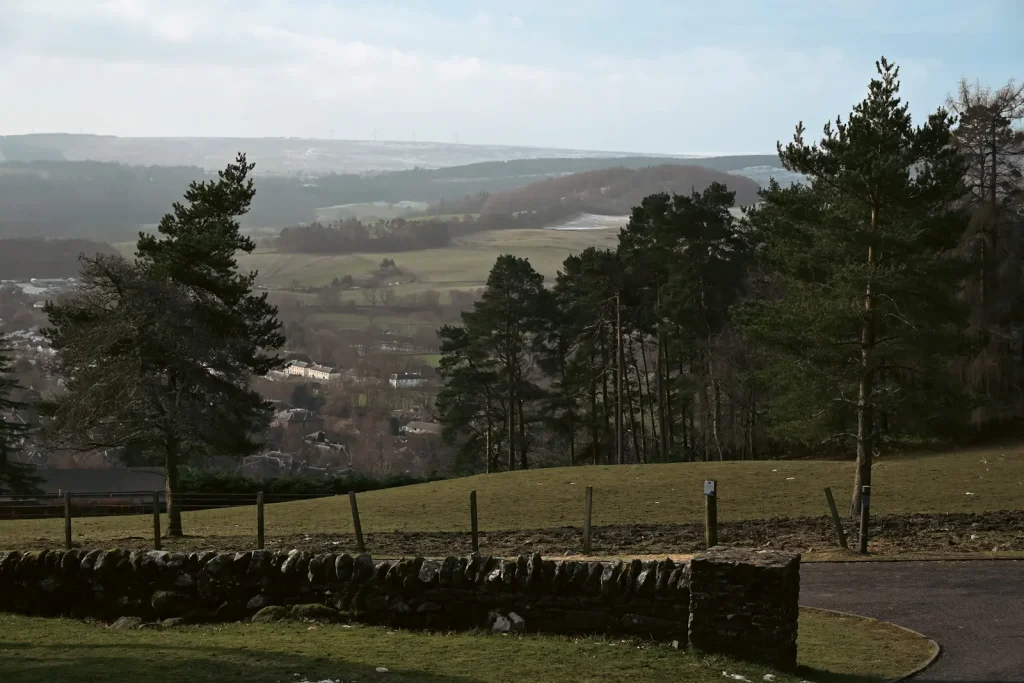
The lens is weather sealed, with a gasket at the mount, and I’ve used it in some pretty rough Scottish conditions without any issues. That said, with a telescoping design, I do try to wipe down the barrel before retracting it in heavy rain, just to be on the safe side.
In terms of controls, you get the usual L-Fn button, along with separate zoom, focus, and control rings. I do wish Nikon would standardise their layouts a bit more across lenses, as switching between them can take a moment to adjust. That aside, the overall handling experience is excellent — it’s a lens I’m always happy to have on the camera, whatever the conditions.
So what’s not to like?
For some photographers, the biggest limitation will be the f/4 aperture. In lower light, or when you want stronger subject separation, it can start to feel restrictive. Cameras like the Z6III handle high ISO well, but lenses like the 24–70mm f/2.8 S or Nikon’s f/1.8 primes are still better choices if low light is a priority.
It’s also not a lens that gives your images a particularly distinctive look. If you’re chasing that last bit of sharpness, rendering, or subject isolation, you’ll get more from faster zooms or primes. That’s why I still shoot a lot with primes like the Nikon Z 20mm 1.8S when I want to create rather than cover subjects.
But for anyone who just wants a highly flexible, consistently good-performing lens that works across a wide range of situations, those trade-offs make sense.
Who is the 24-120mm f/4 S lens for?
For me, the 24–120mm f/4 makes the most sense for photographers who shoot landscapes, want a high-quality walkaround lens, or need something versatile for travel.
It’s particularly well suited to people who don’t want to carry multiple lenses or deal with the weight of faster f/2.8 zooms, but still want excellent image quality across a wide range of situations.
If you’re the kind of photographer who heads out without a fixed plan — shooting landscapes one moment, details or people the next — this lens fits that way of working perfectly.
It strikes an excellent balance between performance, size, weight, and price, which is exactly why it’s become such an easy default choice in my own kit.
A highly versatile standard zoom that covers everything from wide landscapes to short telephoto. It’s the lens I reach for when I just want to go out and shoot without thinking about what I might need.
Check Latest Price
Who Should Avoid It
This isn’t the lens for photographers who regularly shoot in low light or need a faster aperture. If you rely on subject separation or shoot events, portraits, or indoor work, you’ll be better served by f/2.8 zooms or prime lenses.
It’s also not ideal if you’re chasing the absolute best image quality or a more distinctive rendering style. In those cases, Nikon’s S-line primes or pro zooms will give you that extra level of performance.
This lens is about balance and versatility — if that’s not your priority, there are better options.
Verdict
The Nikon Z 24–120mm f/4 S might not be the kind of lens you dream about adding to your kit, but in my experience, it’s one of the most useful lenses in the entire Z system.
I’ll admit, I’ve often been drawn to more exotic lenses, but here in Scotland — where reliability, performance, and practicality matter — this is the lens I keep coming back to.
If I could only take one lens out with my Z8, this would be it.
If you want to consider other lens options then see my best lenses for the Nikon Z system guide which talks about the absolute best and best value lenses available for Nikon Z cameras.
A highly versatile standard zoom that covers everything from wide landscapes to short telephoto. It’s the lens I reach for when I just want to go out and shoot without thinking about what I might need.
Check Latest Price
Nikon Z 24-120mm f/4 S FAQ
Is the Nikon Z 24-120mm f/4 S worth buying?
Yes, I think the Nikon Z 24-120mm f/4 S is one of the best value and most useful lenses in the Nikon Z system. It combines excellent image quality with a genuinely versatile focal range, making it ideal for landscapes, travel, walking, and general photography.
Is the Nikon Z 24-120mm f/4 S sharp?
Yes, the 24-120mm f/4 S is sharp throughout most of the zoom range and easily capable of resolving high-resolution cameras like the Nikon Z8. In real-world use, I’ve found the image quality consistently impressive.
Is the Nikon Z 24-120mm f/4 S good for landscape photography?
The Nikon Z 24-120mm f/4 S is excellent for landscape photography. The 24mm wide end is useful for wider scenes, while the extra reach to 120mm allows you to isolate details and compress distant landscapes without needing to switch lenses.
Is the Nikon Z 24-120mm f/4 S good for travel photography?
Yes, this is one of the best travel lenses available for the Nikon Z system. The focal range is flexible enough to cover landscapes, street photography, portraits, and general scenes, while still maintaining very good image quality.
Is the Nikon Z 24-120mm f/4 S better than the Nikon Z 24-70mm f/4?
For most photographers, I think the Nikon Z 24-120mm f/4 S is the better overall lens. The image quality remains excellent while the extra reach to 120mm makes the lens substantially more versatile in real-world use.
Is the Nikon Z 24-120mm f/4 S better than the Nikon Z 24-70mm f/2.8 S?
The 24-70mm f/2.8 S offers better low-light performance, stronger subject separation, and slightly higher optical performance overall. However, the 24-120mm f/4 S is lighter, more versatile, and often makes more sense for travel, landscapes, and everyday photography.
Is the Nikon Z 24-120mm f/4 S good for portraits?
While it is not a dedicated portrait lens, the 24-120mm f/4 S can produce very nice portraits, especially towards the longer end of the zoom range. However, photographers who prioritise subject separation may prefer Nikon’s f/1.8 prime lenses or the 24-70mm f/2.8 S.
Is the Nikon Z 24-120mm f/4 S good in low light?
The constant f/4 aperture is usable in low light, especially on modern Nikon cameras with excellent high ISO performance and in-body stabilisation. However, it is still more limited than faster f/2.8 zooms or prime lenses when light levels become very poor.
Does the Nikon Z 24-120mm f/4 S have image stabilisation?
No, the Nikon Z 24-120mm f/4 S does not include optical stabilisation. Instead, it relies on the in-body stabilisation found in Nikon Z cameras like the Z8 and Z6III.
Is the Nikon Z 24-120mm f/4 S weather sealed?
Yes, the lens is weather sealed and has handled difficult Scottish weather conditions well in my own use. However, because it uses a telescoping zoom design, I still try to wipe the barrel dry before retracting it in heavy rain.
Who should buy the Nikon Z 24-120mm f/4 S?
This lens is ideal for photographers who want one highly versatile lens for landscapes, travel, walking, and general photography. It makes especially good sense for people who do not want to constantly switch lenses while out shooting.
Who should avoid the Nikon Z 24-120mm f/4 S?
Photographers who regularly shoot in very low light, want the strongest possible subject separation, or prioritise maximum optical performance may be better served by Nikon’s faster f/2.8 zooms or S-line prime lenses.