
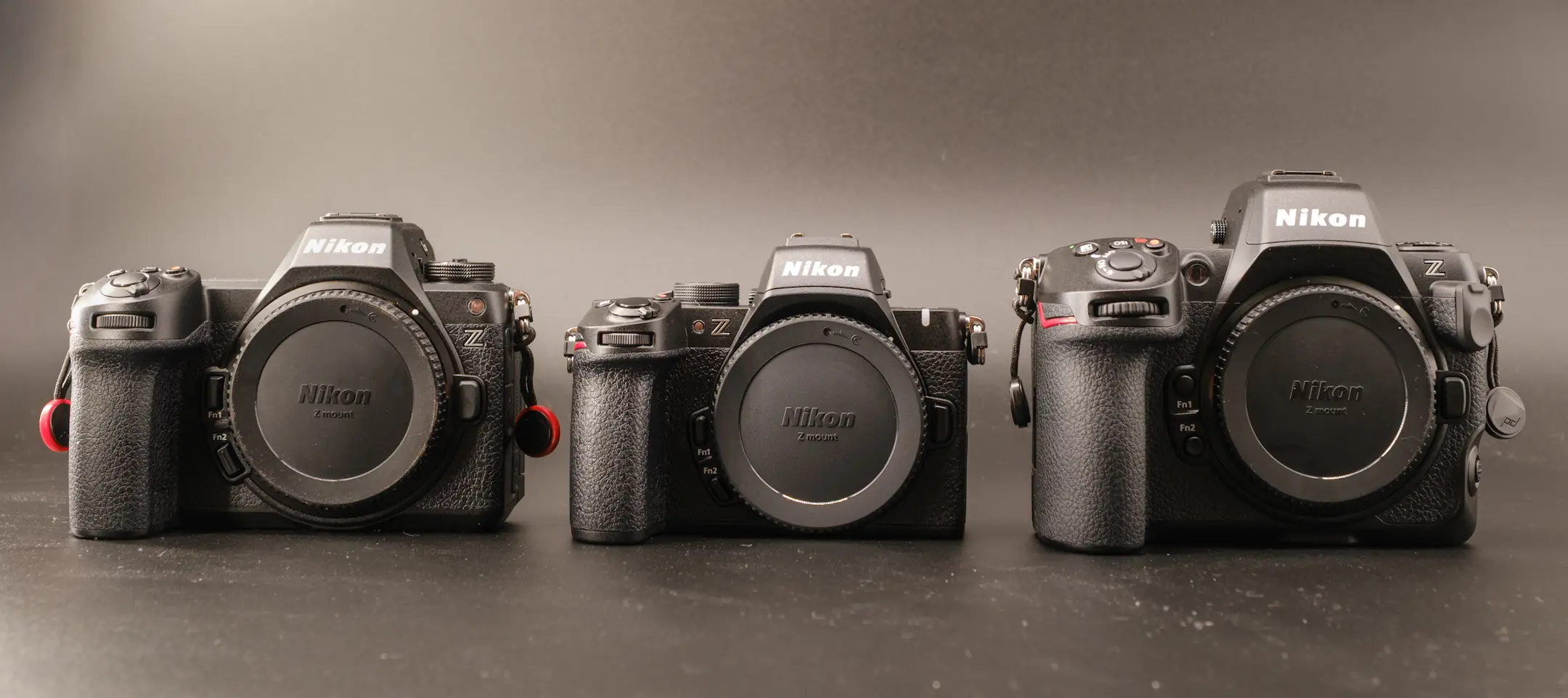
The best camera for beginners is usually a simple mirrorless camera that costs around $1000 or preferably less or buying a used DSLR if you are looking to learn photography.
I’m going to cut straight to the chase here as I’ve recently been using beginner cameras to see how they have come on since I started my own photography journey way back in 2008.
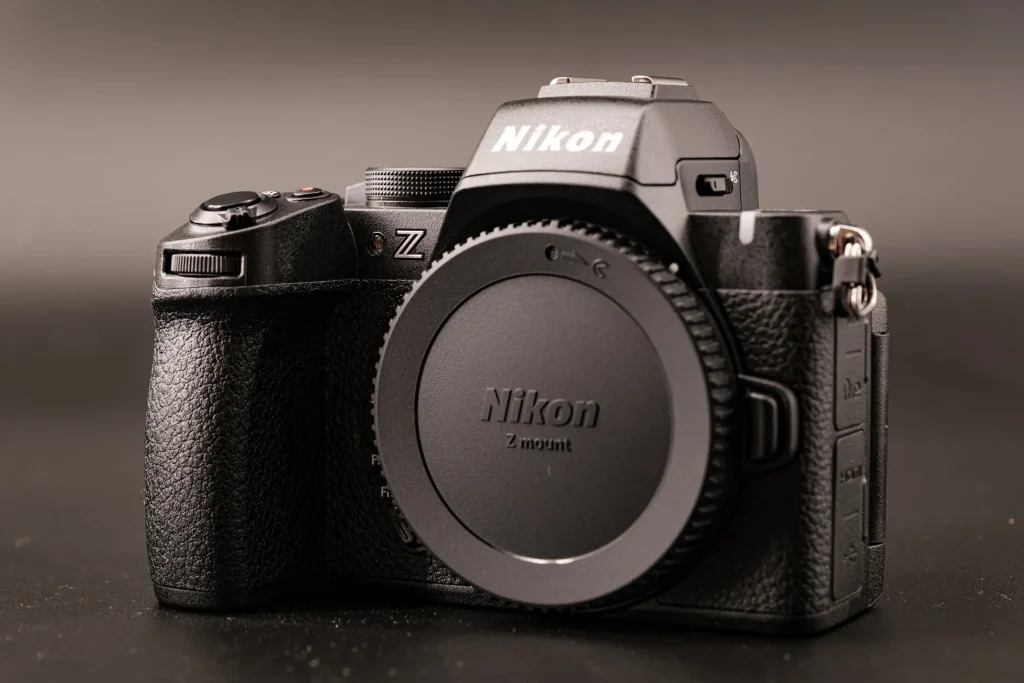
The best overall beginner camera is the Nikon Z50II. I’ve been shooting with it recently and it has plenty of beginner friendly modes such as auto modes and quick access to changing color profiles via a dedicated button on top of the camera. It’s small and light but really comfortable which means you will carry it all day and enjoy using it. The 16-50mm kit lens it is often bundled with is incredibly compact and sharp enough and you have access to Nikon’s full lineup of excellent Z lenses.
Its APS-C sized sensor gives excellent image quality thats easily good enough for professional work and printing large prints.
What’s best about the Nikon Z50II is that although it’s a beginner camera, it basically feels like a shrunk down professional Z6III or Z8 which means it has the same Expeed 7 processor, similar autofocus performance including eye detection which easily keeps up with kids and family.
You can customise the camera’s buttons to have quick access to everything that you need and it can shoot quickly so it can be used for every genre of photography from landscapes to wildlife which means that if you suddenly decide you want to try a different type of photography, the Z50II will be able to handle it. In my opinion, its the single best camera for beginners who don’t want to spend a fortune but want a camera that’s easy to use and capable of growing with you.

Other notable features include USB-C charging, bluetooth connectivity to the Nikon Snapbridge app for quick sharing of photos, Geo location for your images (great for vacation photos) and the app also allows you to download ideal settings to your camera for various shooting scenarios like protraits, kids etc so you don’t need to learn every camera setting to take great photos.
I’ve written a setup guide for the Nikon Z50II which will take you from receiving your camera all the way up to taking photos with the right settings.
I bought mine from Amazon. You can see the latest price for the NIkon Z50II here
This article contains affiliate links. If you buy through them, I may earn a small commission at no extra cost to you. I only recommend cameras and books that I believe are genuinely worth considering.
Best of the Rest
If you’re looking for the best camera for beginners, these options offer a great balance of affordability, ease of use, and room to grow as your skills improve.
Nikon Z fc — Most Stylish Camera
A very stylish and capable camera with excellent autofocus and strong image quality thanks to its APS-C sensor. It’s light enough to take everywhere and advanced enough that you’re unlikely to outgrow it quickly.
Fujifilm X-T30 III — Best for People Who Don’t Want to Edit Photos
Another stylish APS-C camera with excellent build quality and good autofocus. It also opens the door to Fujifilm’s superb range of lenses if you later want to explore different types of photography. The real appeal is the beautiful images it produces straight out of camera.
Canon R100 — Best Value Beginner Camera
Currently one of the most affordable mirrorless cameras available. Despite the low price, it delivers a big step up in image quality compared to a phone thanks to its APS-C sensor, along with Canon’s excellent autofocus and ergonomics.
Ricoh GR IIIx — Best Pocketable Camera
A truly compact camera with a fixed lens, so it’s less flexible than the others here. However, it offers a very simple shooting experience, excellent image quality from its APS-C sensor, and most importantly, it actually fits in a normal pocket — meaning you’re far more likely to take it with you and use it.
Each of these cameras is explained in more detail further down the article.
I actually avoided writing a “best cameras for beginners” article for a long time. Most guides push beginners toward expensive cameras they simply don’t need yet. That often leads to people spending too much money, feeling overwhelmed by complicated gear, or giving up on photography entirely.
This guide takes a different approach. Instead of encouraging beginners to buy the most advanced camera possible, it focuses on choosing a simple camera that helps you learn photography properly.
In fact, I’d go so far as to say that for someone who genuinely wants to learn photography, a used entry-level DSLR combined with a kit lens and a cheap 50mm f/1.8 lens would probably be the ideal starting point.
That’s how I started. I picked up a Canon 450D (called the Canon EOS Rebel XSi in the United States). It wasn’t fancy, but it did everything I needed at the time. It allowed me to learn about exposure, practise using manual controls and, most importantly, simply spend time taking photographs. However, if you want new camera recommendations, then I give those below.
Why Your First Camera Doesn’t Need to Be Expensive
Buying your first camera is a bit like learning to drive.
When someone starts driving, they don’t usually begin in a high-performance sports car. They start with something simple, affordable and forgiving. The goal isn’t to impress anyone — it’s to learn the fundamentals.
Photography works in exactly the same way.
A beginner photographer doesn’t need the latest $2000 camera with dozens of advanced features. In fact, starting with a simpler camera can actually make learning easier because you focus on the important things: light, composition, timing and understanding how your camera works.
Those skills are what make great photographs.
Once you understand them, almost any camera can produce excellent images. But without them, even the most expensive camera in the world won’t magically improve your photos.
That’s why your first camera doesn’t need to be perfect. It simply needs to give you the tools to practise and learn.
And that’s also why many beginners make the mistake of worrying about things like sensor size, megapixels or whether they should buy a full-frame camera. In reality, none of those things matter very much when you’re just starting out.
What matters most is getting a camera in your hands and using it regularly.
Not All Beginners Are the Same
One thing most “best beginner camera” guides overlook is that not all beginners are the same.
Some people simply want a camera that takes better photos than their phone. Others discover that they enjoy photography and want to explore it more deeply as a hobby.
Those two situations are slightly different, and the advice that works best for each group is also different.
Understanding which type of beginner you are will help you make much better decisions about your first camera.
Beginner Type 1: Moving Up From a Phone
For many people, the goal of buying a camera is simple: they want better photos of everyday life.
Family moments, holidays, walks, pets, children growing up — the kinds of moments that phones sometimes struggle to capture well, especially in low light or when you want a more natural background blur.
For this type of photographer, a simple two-lens setup is often ideal.
A versatile kit zoom lens can handle most everyday situations, while a small and affordable 50mm f/1.8 lens allows you to take photos with stronger subject separation and more visual impact.
For many people, that combination will cover everything they ever need.
Photography becomes a way to capture memories rather than a technical hobby, and a small camera kit can do that beautifully.
Beginner Type 2: Learning Photography as a Hobby
The second type of beginner is someone who catches the photography bug.
They want to learn how to take better photos and need a camera that will help that learning process without hindering them.
For this type of photographer, the best approach is often surprisingly simple.
Instead of buying several lenses straight away, it’s often better to start with just one lens and use it for a few months.
Working with a single lens teaches you a lot about photography. You begin to notice how light behaves, how changing your position affects composition, and how your camera responds in different situations.
It also helps you discover what kind of photography you enjoy most — whether that’s portraits, landscapes, travel, wildlife or street photography.
Once you know that, choosing your next lens becomes much easier.
Many beginners make the mistake of buying too many lenses too quickly, only to discover that several of them end up sitting unused in a drawer.
Spend Less on Gear, More on Learning
If you’re serious about learning photography, one of the best investments you can make isn’t a more expensive camera — it’s education.
Understanding light, composition and storytelling will improve your photography far more than upgrading to a newer camera body.
In fact, the best money many beginners can spend when starting out is often on a few well-chosen photography books.
A good book can teach you how experienced photographers think about images, how they use light and how they build stronger compositions.
Those lessons stay with you no matter what camera you use in the future.
Here are a few books that are especially helpful when you’re just starting out.
Suggested Reading: Photography Books for Beginners
If you’re serious about learning photography, some of the best money you can spend isn’t on new gear—it’s on a few good books. These titles explain the fundamentals clearly and help you develop skills that stay with you no matter what camera you use.
Understanding Exposure – Bryan Peterson
A classic beginner book that explains exposure fundamentals clearly and visually. Check price on Amazon →
The Digital Photography Book – Scott Kelby
A practical, no-nonsense guide focusing on how to achieve specific types of photos in real-world scenarios. Check price on Amazon →
The Photographer’s Eye – Michael Freeman
A deeper look at composition for understanding why certain images look stronger and more visually engaging. Check price on Amazon →
The Suffering of Light – Alex Webb
An inspiring photo book providing a masterclass in color, light, and complex composition from a modern great. Check price on Amazon →
The Best Cameras for Beginners
With all of that in mind, let’s look at some of the other best cameras for beginners.
Each of the cameras below offers a great balance of image quality, ease of use and room to grow as your skills improve. They are also reasonably affordable, which is important when you’re just starting out.
In most cases, spending around $1000 or preferably less on your first camera is more than enough. What matters far more than buying the most advanced model is choosing a camera that encourages you to get out and practise.
All of the cameras below are capable of producing excellent images and, importantly, they are cameras that you won’t outgrow too quickly as your photography improves.
Nikon Z fc — Best Looking Camera

| Sensor | 20.9MP APS-C CMOS |
| Processor | EXPEED 6 |
| Autofocus | 209-point Hybrid AF with Eye Detection |
| Continuous Shooting | Up to 11 fps |
| Viewfinder | 2.36M-dot Electronic Viewfinder |
| Rear Screen | 3.0″ Fully Articulating 1.04M-dot LCD |
| Video | 4K UHD up to 30p |
| Weight | 445g (with battery and card) |
| Lens Mount | Nikon Z Mount |
| Launch Price | Around $959 body only |
The Nikon Z fc is an APS-C mirrorless camera that looks beautiful. But it’s not just about the looks.
The Z fc offers dedicated physical dials for both ISO and shutter speed, which can really help beginners see the effect that changes to these settings have on their photos. Being able to adjust those controls directly on the camera makes it much easier to understand how exposure works. That said, if that sounds complicated at first, don’t worry — the Z fc also includes the full suite of automatic shooting modes so you can simply start taking photos straight away.
Image quality is excellent thanks to the 20-megapixel APS-C sensor, which is easily capable of producing professional-level photos. Build quality is very good, the 2.36-million-dot electronic viewfinder is decent (not the highest specification but more than capable), and the fully articulating 1.04-million-dot rear LCD screen makes the camera flexible for photos, video and even selfies.
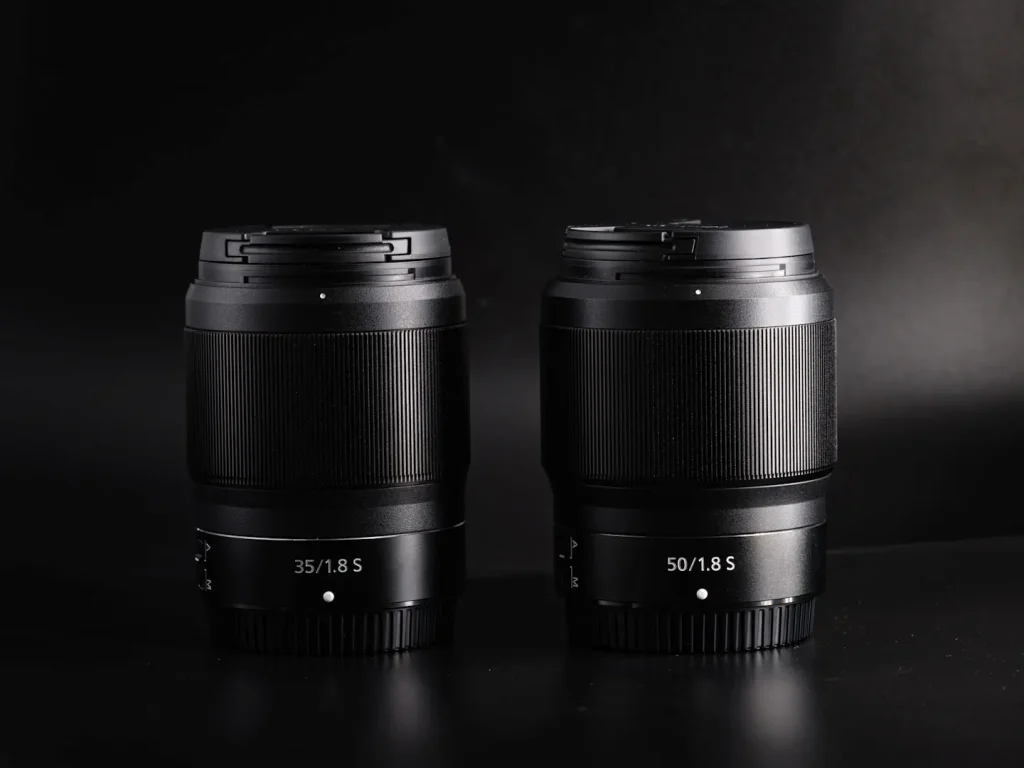
Importantly, the Z fc also gives you access to the entire Nikon Z lens range, which includes everything from small kit lenses to professional-grade glass. That means it’s a great camera to get started with while still allowing you to invest in a system that you can grow with over time.
I own and shoot with the Z fc’s bigger full-frame sibling, the Nikon Zf, and one thing that stands out is just how flexible the system is. It’s particularly good for family photography thanks to the fast autofocus that can keep up with kids running around. At the same time, the retro styling tends to feel less intimidating when you point the camera at children compared to a large modern camera. The same holds true for the Z fc.
Who Is This Camera For?
Beginners who want a camera capable of growing with them. The Nikon Z fc offers excellent image quality and modern performance while still being approachable for someone learning photography. Its stylish retro design also makes it feel less intimidating when photographing children than many modern cameras.
It’s also for those who want a better-looking camera than the Z50II with very similar performance, and who are willing to give up some ergonomic comfort to get it.
See the latest price for the Nikon Z-fc here.
Fujifilm X-T30 III — Best for Beginners Who Don’t Want to Edit Photos

| Sensor | 26MP X-Trans APS-C BSI CMOS |
| Film Simulations | 20 (with dedicated Film Simulation dial) |
| Viewfinder | 2.36M-dot Electronic Viewfinder |
| Rear Screen | 3.0″ Tilting LCD |
| Video | 6.2K/30 full sensor, 4K/60 with 1.18× crop |
| Battery Life | 315 shots (425 in power saving mode) |
| Lens Mount | Fujifilm X Mount |
The Fujifilm X-T30 III is a compact APS-C mirrorless camera that offers excellent image quality and very solid build quality in a small, stylish body.
Like many Fujifilm cameras, it uses physical controls for things like shutter speed and exposure compensation. These controls make it easier to understand how photography works because you can see and adjust key settings directly on the camera. If that sounds intimidating at first though, don’t worry — the X-T30 III also includes a fully automatic Auto mode that can recognise scenes and choose the appropriate settings so you can simply start taking photos.
Where the X-T30 III really stands out is in the way it renders images straight out of the camera, just like the Fuji X-T5 and X100VI that I shoot with regularly.
Fujifilm cameras are famous for their Film Simulation modes, and the X-T30 III includes 20 different film simulations designed to recreate the look of classic photographic films. These profiles produce beautiful colours, pleasing contrast and attractive skin tones without requiring any editing.
For beginners who don’t want to spend time learning photo editing software, this can be a huge advantage. You can simply take photos and enjoy the results straight out of the camera.
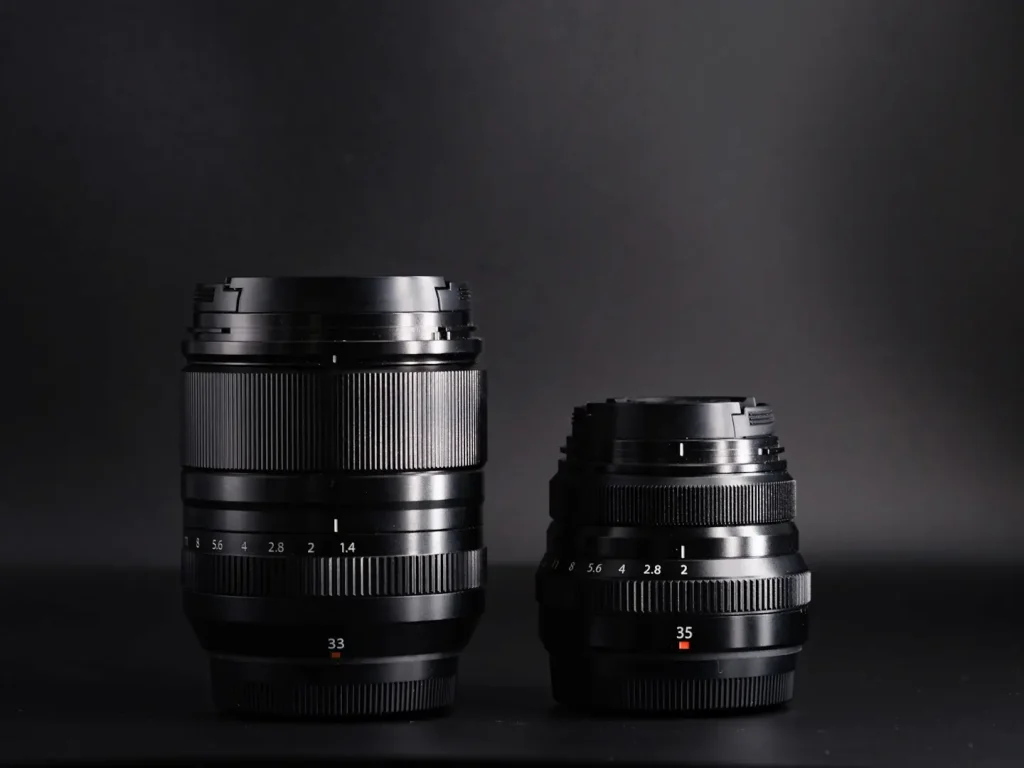
Like the Nikon Z fc, the X-T30 III also gives you access to a large ecosystem of lenses. Fujifilm’s X-mount system is one of the most complete APS-C lens lineups available, offering everything from small everyday lenses to high-end professional optics.
That makes the X-T30 III a great camera to start with while still leaving plenty of room to grow as your photography develops.
Are there any downsides to the X-T30 III?
For people who mainly want to capture moments of their children as they grow up, the autofocus isn’t quite as strong as the Nikon Z fc. It’s still perfectly capable, but you may end up with a few more out-of-focus shots when kids are running around at full speed. The Nikon simply tracks moving subjects a little more confidently in those situations. If you want to set up your X-T30 III for success then my setup guide shows exactly which settings to use.
Who Is This Camera For?
Beginners who want excellent image quality without spending hours editing photos. The Fujifilm X-T30 III produces beautiful colours straight out of the box thanks to its built-in film simulation modes, while still offering reliable autofocus and full access to Fujifilm’s extensive X-mount lens ecosystem for whenever you want to expand your kit.
See the latest price for the Fujifilm X-T30 here
Canon R100 — Best Value Beginner Camera

| Sensor | 24.1MP APS-C CMOS |
| Processor | DIGIC 8 |
| Autofocus | Dual Pixel CMOS AF with face & eye detection |
| Continuous Shooting | Up to 6.5 fps |
| Viewfinder | 2.36M-dot Electronic Viewfinder |
| Rear Screen | 3.0″ fixed 1.04M-dot LCD |
| Video | 4K 24p (cropped), Full HD 60p |
| Battery Life | Approx. 340 shots (EVF) / 430 shots (LCD) |
| Weight | 356g (with battery & card) |
| Lens Mount | Canon RF Mount |
The Canon R100 is currently one of the most affordable mirrorless cameras available, which makes it an excellent option for beginners who want a proper camera without spending a lot of money.
I began my own photography journey with an entry-level Canon DSLR paired with a kit lens, and that simple setup took me from complete beginner to working professional while teaching me the fundamentals of cameras and photography.
Despite the low price, the R100 still uses a 24-megapixel APS-C sensor, which delivers a noticeable improvement in image quality compared to a smartphone. Photos have more detail, better contrast and a more natural background blur when paired with a good lens.
Canon has also always been very good at making cameras that are easy to use, and the R100 continues that tradition. The menus are straightforward, the ergonomics are comfortable and the camera includes a full range of automatic shooting modes that allow beginners to simply start taking photos without worrying about complex settings.
Autofocus performance is also very good for a camera at this price. Canon’s Dual Pixel autofocus system includes face detection, which helps keep people in focus when taking portraits or capturing everyday family moments.
Like the other cameras on this list, the R100 also gives you access to a growing lens system. Canon’s RF mount includes everything from simple kit lenses to high-end professional lenses, meaning the camera can grow with you if your interest in photography develops further.
The main compromise with the R100 is that it’s a fairly simple camera. The rear screen doesn’t articulate and it lacks some of the more advanced features found on more expensive models. However, if your goal is simply to get started with photography at the lowest possible price, the R100 offers excellent value.
One thing to bear in mind if you’re planning to stay with the system long term is that Canon tends to split its RF lens lineup between very affordable entry-level lenses and more expensive professional-grade options, with fewer mid-range choices than some other systems.
That isn’t necessarily a problem — the cheaper lenses can still produce very good results — but it’s worth being aware of if you expect to expand your lens collection later on.
Who Is This Camera For?
Beginners who want a simple camera that delivers a clear step up in image quality over a smartphone without breaking the bank. The Canon R100 is ideal for anyone who primarily wants to capture family moments, holidays, and everyday life while keeping their first gear investment low.
See the latest price for the Canon R100 here
Ricoh GR IIIx — Best Pocketable Camera for Beginners
| Sensor | 24MP APS-C CMOS |
| Lens | 26.1mm f/2.8 (40mm equivalent) fixed lens |
| Image Stabilisation | 3-axis in-body stabilisation |
| Autofocus | Hybrid phase & contrast detect |
| Rear Screen | 3.0″ touchscreen LCD (fixed) |
| Video | Full HD 1080p up to 60fps |
| Battery Life | Approx. 200 shots (CIPA) |
| Weight | 262g (with battery and card) |
| Dimensions | 109 × 62 × 35 mm |

The Ricoh GR IIIx is quite different from the other cameras on this list. Instead of interchangeable lenses, it uses a fixed lens, which means the lens cannot be changed.
At first that might sound like a limitation, but for beginners it can actually be a big advantage.
Because the focal length never changes, you quickly learn how scenes will look before you even raise the camera. Over time this helps you pre-visualise photographs and understand composition much more quickly than constantly switching between different lenses.
Despite its tiny size, the GR IIIx uses a large APS-C sensor, the same sensor size used in many much larger mirrorless cameras. That allows it to produce excellent image quality with plenty of detail and natural-looking colours.
The lens itself is also very good. It offers a 40mm equivalent focal length, which is widely considered one of the most versatile focal lengths for everyday photography. It’s wide enough to capture scenes if you take a step back, but also long enough to create very natural-looking portraits of people.
The lens is also relatively bright, which helps when shooting in low light and makes it easier to create pleasant out-of-focus backgrounds when photographing people.
One of the biggest strengths of the GR IIIx is simply how small it is. The camera is truly pocketable — in fact it’s smaller than many smartphones — which means you’re far more likely to take it with you when you leave the house. And in photography, the best camera is often the one you actually have with you.
The camera offers full manual controls, which makes it a great tool for learning photography, but it also includes automatic shooting modes if you simply want to capture moments quickly without worrying about settings.
It’s actually the camera I bought for my eldest daughter Sofia. Because it’s so small and easy to carry, she enjoys bringing it with her and using it, which is exactly what you want from a first camera.
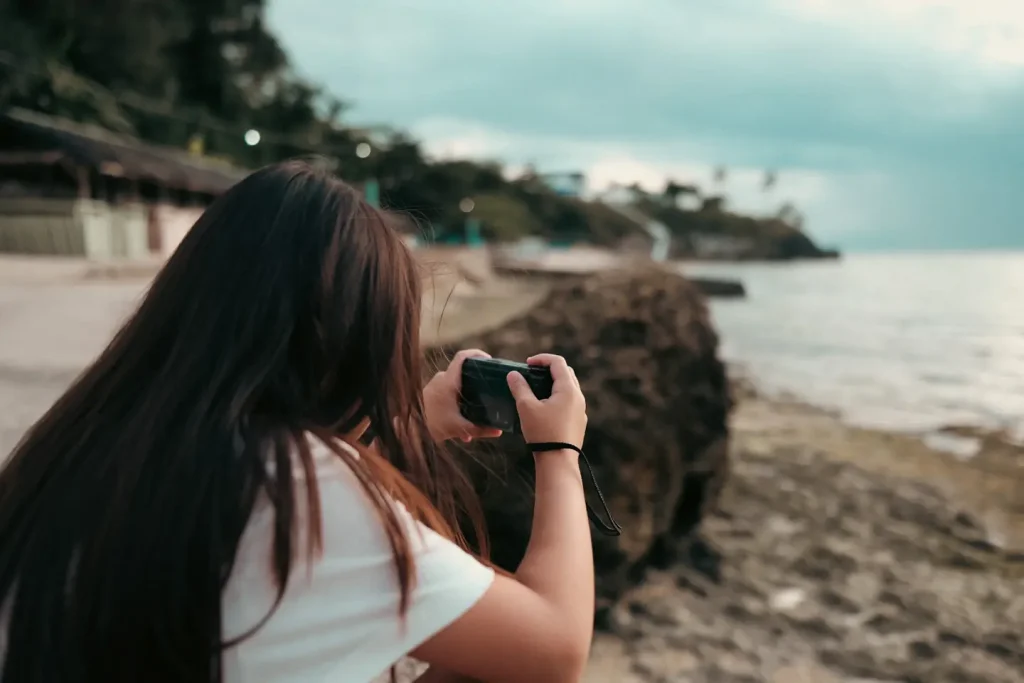
Another advantage of the GR IIIx is that the JPEG images straight out of the camera already look very good, so you don’t necessarily need to spend time editing your photos. There is also a strong community of Ricoh users online who share custom colour profiles. Websites like ricohrecipes.com offer a wide range of looks that can be added to the camera if you want to experiment with different styles.
The main compromises with the GR IIIx are battery life and autofocus performance. Battery life is fairly short compared to larger cameras, so it’s a good idea to buy a spare battery. Autofocus is perfectly capable for everyday photography, but it’s not designed for fast-moving subjects, so photographing children running around or sports can be more challenging than with the other cameras on this list.
However, if your goal is simply to carry a camera everywhere and capture everyday life, the GR IIIx is one of the best cameras available.
If the idea of a small fixed-lens camera appeals to you, it’s also worth taking a look at my full Ricoh GR III review, as the two cameras share many similarities in terms of design, controls and image quality.
Ricoh has also recently released the Ricoh GR IV, which offers more modern autofocus performance. It’s the better camera technically, but it is also significantly more expensive than the GR IIIx.
And if you like the idea of a compact camera with a fixed lens but want to explore more options, I’ve also put together a guide to the best compact cameras currently available.
Who Is This Camera For?
Beginners who want a simple camera they can genuinely carry everywhere. The Ricoh GR IIIx is ideal if you value maximum portability and outstanding image quality but don’t want to deal with changing lenses. Its versatile 40mm focal length makes it a brilliant tool for everyday street, documentary, family, and travel photography.
See the latest price for the Ricoh GRIIIx here
Final Thoughts
All of the cameras in this list are more than capable of helping you improve your photography and take better photos.
The key is not to overthink your first camera purchase. It really is just the springboard and first step on what will hopefully become a lifelong hobby.
Spend most of your time practising and learning. As you gain experience, you’ll begin to understand the type of photography you enjoy most, which will naturally help you decide whether you eventually want a better camera, a new lens, or if you already have everything you need.
Taking this approach will help you avoid wasted money and expensive mistakes along the way.
But most of all, welcome to what I think is one of the most enjoyable hobbies you can do.
Now the only thing left to do is pick a camera and start taking photos.
Read More: Camera Buying Guides
FAQ: Best Cameras for Beginners
What is the best camera for beginners?
For most people, the best camera for beginners is a simple mirrorless camera that costs around $1000 or less. It should be easy to use, affordable, and good enough to grow with you. In this guide, the Nikon Z50II stands out as the best overall camera, while the Nikon Z fc is the best looking. The Canon R100 takes the title for best value, the Fujifilm X-T30 III is best for people who do not want to edit, and the Ricoh GR IIIx is ideal if portability matters most.
Should a beginner buy a mirrorless camera or a DSLR?
If you are buying new, a mirrorless camera usually makes the most sense because it gives you modern autofocus, good image quality and access to a current lens system. However, a used entry-level DSLR can still be an excellent way to learn photography for less money. What matters most is not whether the camera is mirrorless or DSLR, but whether it encourages you to practise and learn the basics properly.
How much should a beginner spend on their first camera?
In most cases, around $1000 or preferably less is more than enough for a first camera. Spending more does not automatically make your photos better. For beginners, it usually makes more sense to buy a simple camera, keep the lens setup straightforward, and put some of the budget toward learning photography through practice or books.
Is a full-frame camera worth it for beginners?
Usually, no. Most beginners do not need a full-frame camera. Things like sensor size, megapixels and advanced features matter far less at the start than learning light, composition and timing. A good APS-C camera is more than capable of producing excellent images and is often a better place to begin because it keeps cost and complexity under control.
What is the best beginner camera if I do not want to edit photos?
The Fujifilm X-T30 III is one of the best beginner cameras if you want photos that look good straight out of camera. Its film simulation modes produce attractive colours, pleasing contrast and nice skin tones without needing much or any editing. The Ricoh GR IIIx is also a strong option if you want good-looking JPEGs in a much smaller, pocketable camera.
What camera is best for beginners moving up from a phone?
That depends on what matters most to you. If you want the best all-round beginner mirrorless camera, the Nikon Z50II is the strongest choice here, while the Nikon Z fc offers the best aesthetic design. If you want the cheapest worthwhile upgrade from a phone, the Canon R100 makes a lot of sense. If you want something truly pocketable that you will actually carry every day, the Ricoh GR IIIx is one of the best compact choices.