
Unboxing the X-T30 III, my immediate reaction was surprise at just how small the body feels.
If you’ve already bought your X-T30 III I’ve written a setup guide which will help you to get the best out of it and after much more use I’ve now written about which accessories are worth buying.
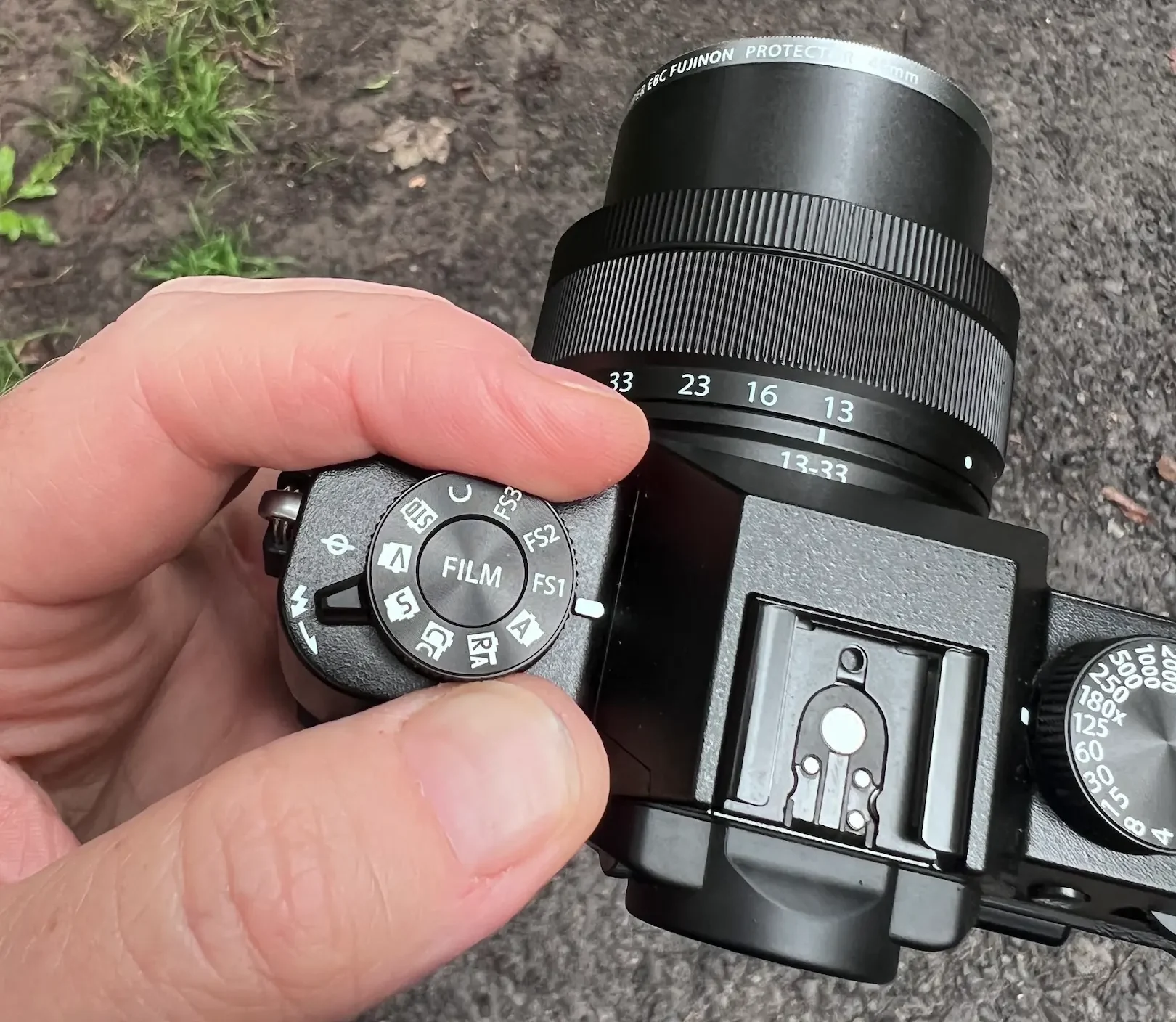
Having spent the last five years shooting primarily with larger systems—including the Fujifilm X100VI, X-T5, GFX100S, and full-frame Nikon bodies—I’ve grown accustomed to substantial handgrips. At first, the camera’s diminutive size and weight made me worry handling would be fiddly. Muscle memory initially had me trying to turn the dedicated Film Simulation dial to adjust ISO, and the lack of an aperture ring on the kit lens threw me off. It definitely isn’t a mini X-T5 out of the box.
However, after half an hour of mapping custom functions to various buttons to mirror my X-T5 setup as closely as possible, the ergonomics began to make sense.
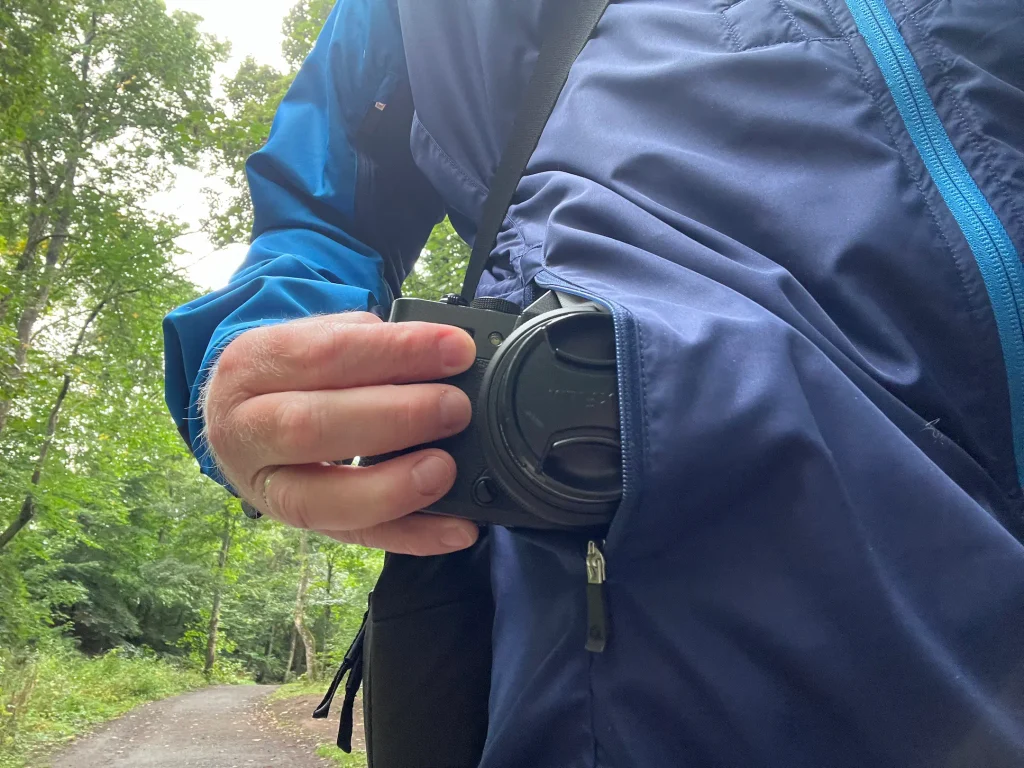
The real turning point came the next day during a rainy walk along the River Earn in Perthshire. Paired with the new, remarkably compact 13-33mm kit lens (offering a versatile approximately 21-50mm equivalent range), the entire setup genuinely slips into a waterproof jacket pocket. For a photographer used to carrying bags or slings, the appeal of a pocketable, interchangeable-lens APS-C body is immense. The X-T30 III lacks weather sealing, which required dodging the worst of the Scottish rain by putting it back it into my coat between shots, but the sheer convenience altered how a walk felt—it didn’t make the entire outing “about photography.”
Handling the Controls & Mechanics
- Physical Dials: The top-plate shutter speed and exposure compensation dials are well-damped, offering enough resistance to prevent accidental knocks while remaining easy to adjust.
- The Film Simulation Dial: Initially, I dismissed this as an unnecessary gimmick given the Q menu or touch-swipe options. But having a dedicated physical dial right at my fingertips genuinely encouraged me to experiment more. Programming three custom Fujifilm X Weekly recipes to the FS positions makes jumping between looks much quicker and actually encouraged me to experiment more.
- The Screen & Viewfinder: The tilt screen is lighter, more discreet, and far better for waist-level or high-angle photography than a fully articulating screen. The 2.36-million-dot EVF looks tiny coming from professional bodies, but having a physical viewfinder is non-negotiable for bright sunshine and I am just one of those people who cannot take good images using the rear screen.
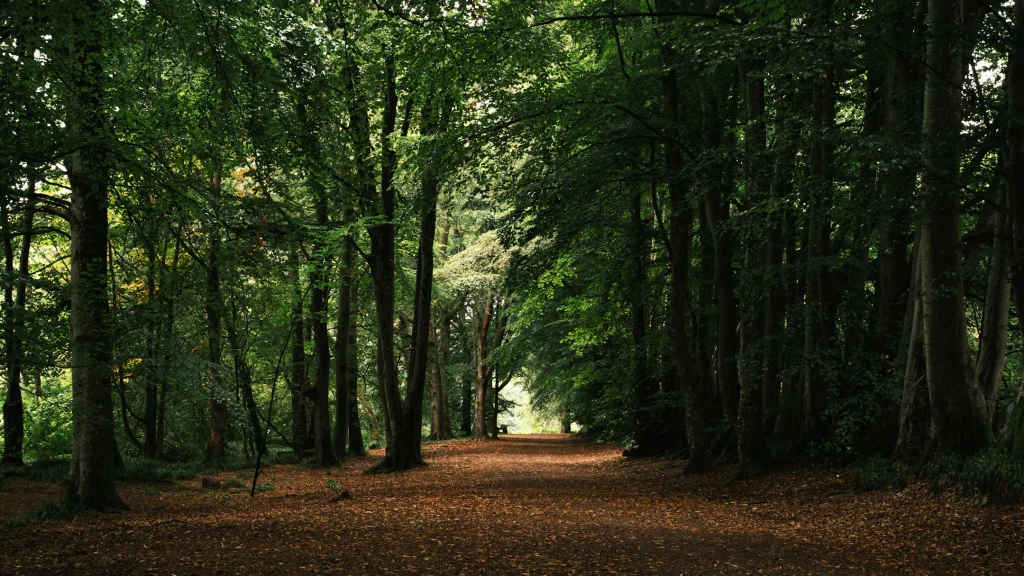
Lens Performance & Autofocus The 13-33mm kit lens uses a twist-to-extend mechanism similar to my Nikon 14-30mm f/4. While I’m usually not a fan of extending designs, the resulting pocket footprint justifies it. Optically, it performs surprisingly well. Files reviewed on my iPad showed decent sharpness and zero glaring flaws. It is a slower variable-aperture lens, meaning you hit higher ISO values quickly, but shots at ISO 8000 handled well with minimal noise and no weird color shifts. Fine detail on things like leaves aren’t bitingly sharp, but for non-professional or casual use, I can see it being more than adequate for a lot of people.
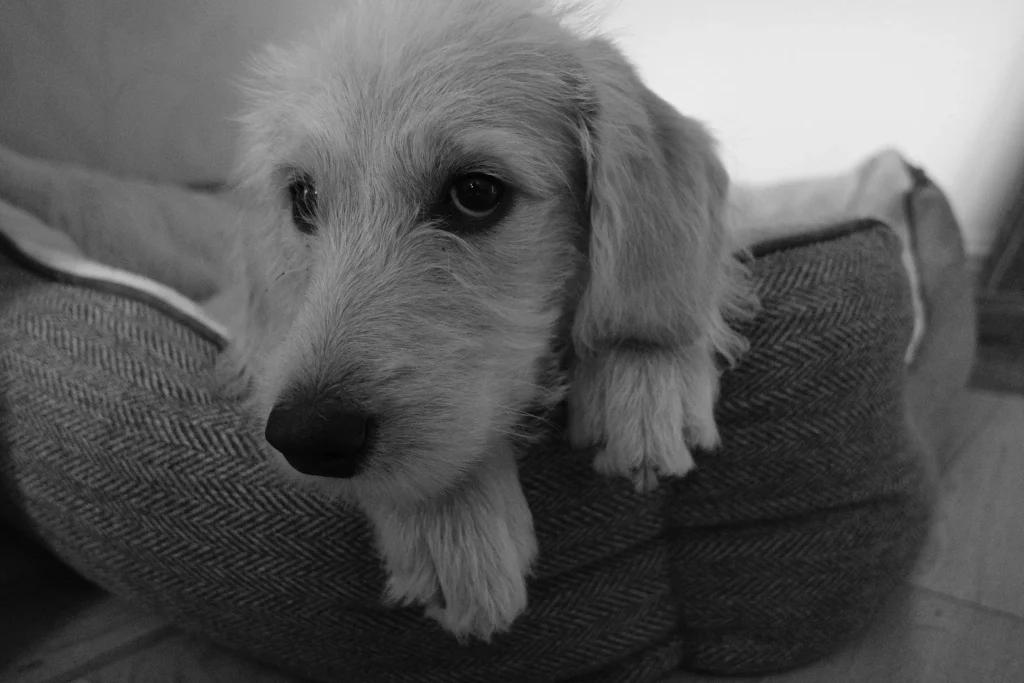
Quickly testing autofocus on our young puppy, the tracking picked up eyes and body reliably, landing plenty of sharp keepers. It occasionally missed during erratic movement, but my X-T5 and X100VI would do the exact same.
Practical Realities & Battery Life The main compromise with a body this size is power. Using the smaller NP-W126S battery (the same as the X100VI), my 2 to 3-hour outing plus a brief setup session chewed through well over half the charge. You will definitely want a spare for a full day out.
Initial Verdict The X-T30 III has me questioning the need for a dedicated pocket compact like a Ricoh GR IV; with this Fuji, you get interchangeable lenses, beautiful film simulations, a proper viewfinder, and better physical handling. If I stick a compact prime like a Fuji 35mm f2 on it, it could be a great everyday carry or vacation camera. Over the coming weeks, I’ll be testing it more with portraiture, local landscapes, and documentary work here in the Scottish Highlands.
Fujfilm UK have sent me the X-T30 III to test. This was a prior commitment, arranged before I decided to focus more on my photography than the gear. I will be testing the camera and lens over the coming month. Fujiflm have not asked for anything in return, have not requested a say in what I write and I am free to say it as it is, as I always do.