
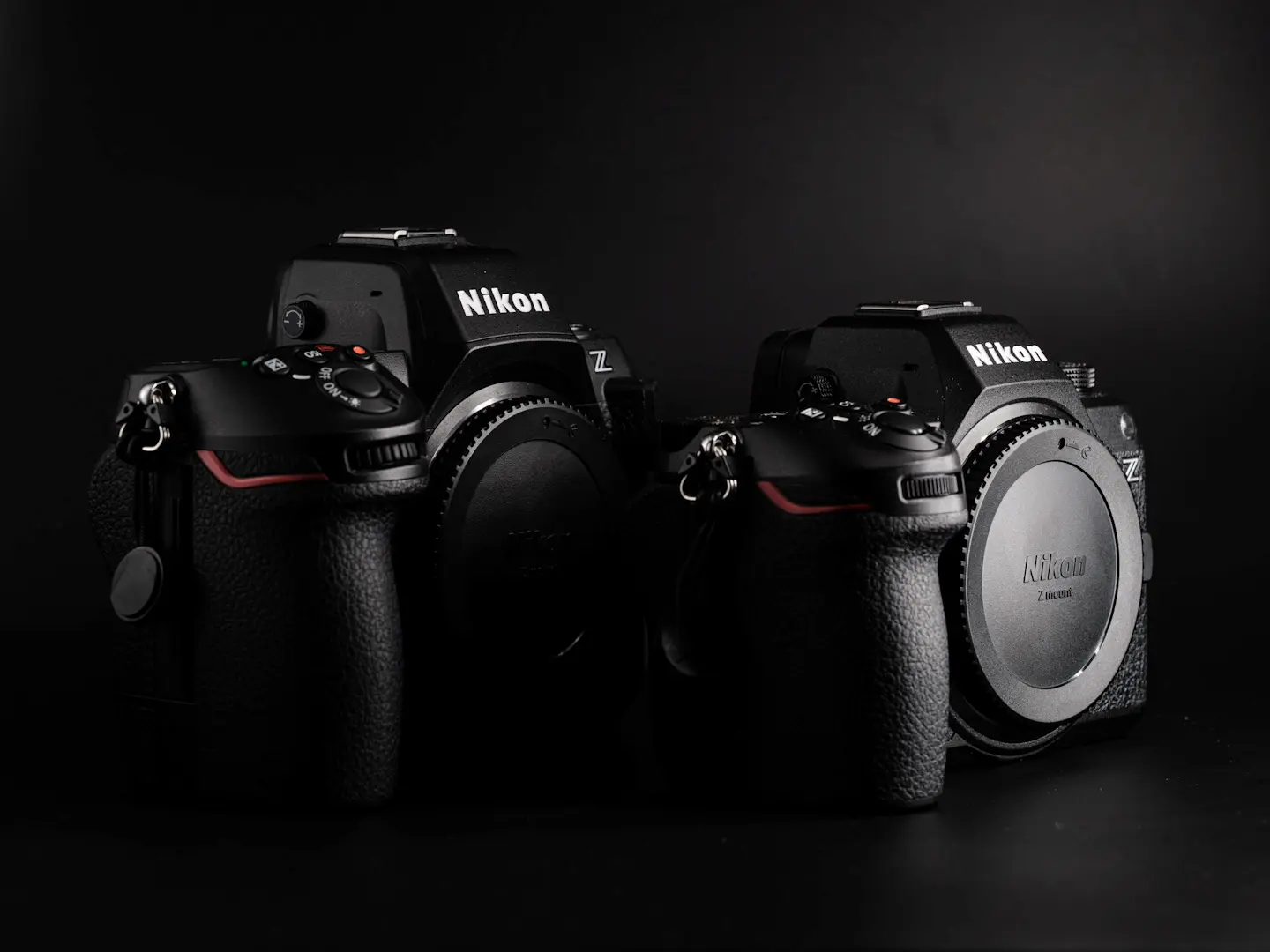
Last updated 6th July 2026: I’ve been shooting Nikon way more since I moved to Scotland at the end of January 2026 and in my opinion, both the Z8 and Z6III are two of the best Nikon Z cameras for photography, but they suit slightly different photographers.
Ever since the Nikon Z8 was announced, I’ve had this nagging desire to own it. You know that feeling — when a camera just gets under your skin. On paper, it looked like the perfect tool: high resolution, a full-frame sensor, class-leading autofocus, and those brilliant Nikon ergonomics — all in a rugged, weather-sealed body that was smaller and lighter than the Z9.
But as much as I wanted the Z8, I couldn’t quite shake the thought that maybe I didn’t need it. Then along came the Nikon Z6III — a more affordable camera that seemed to offer most of the same magic, only in a smaller, lighter body with a less resolution, So I bit the bullet and picked one up.
If you have already picked up your Z6III then these are the best settings for it that I use with mine.
Fast forward to now, and I actually own both, as well as the Nikon ZF which I’ve also compared to the Z6III. I’ve shot them side by side in the Philippines and here in the Scottish Highlands, from quiet family moments to landscape and wildlife photography, and I’ve learned exactly where each camera shines — and where spending extra simply isn’t worth it. That’s what I want to share with you in this article. If you want more detailed breakdowns of each, then my full Z8 review and Z6III review provide that.
Summary: Which Nikon Should You Choose?
If you are deciding between the Nikon Z8 and the Z6III, the right choice depends on your specific needs for resolution and ruggedness. Here is a breakdown of the key differences:
- Performance: Both cameras feature exceptional autofocus. The Z8 feels slightly more “sticky” and responsive, but the Z6III is remarkably close in real-world shooting.
- Build & Handling: The Z6III is noticeably lighter and more portable for travel, whereas the Z8 provides a more substantial grip, better balance with heavy lenses, illuminated buttons, and a 3-way tilt screen.
- Image Quality: The Z8 takes the lead for studio and landscape work with its higher resolution and base ISO 64. The Z6III holds its own in low-light environments, often producing cleaner files at very high ISOs.
- User Interface: The Z6III’s menu and custom modes are generally more straightforward, while the Z8 offers deeper, more complex professional memory banks.
The Bottom Line: The Z6III offers approximately 80% of the Z8’s performance at a significantly lower price point. For most photographers—including travel, portrait, and general enthusiasts—the Z6III is more than capable. The Z8 remains the superior tool for professionals who require maximum resolution, ultra-rugged build quality, and specialized features.
This article contains affiliate links. If you purchase through these links, I may earn a small commission at no extra cost to you. It helps support the site and keeps the content ad-free for readers. Thank you for your support.
Key Differences at a Glance
Key Specifications: Nikon Z6III vs. Z8
| Specification | Nikon Z6III | Nikon Z8 |
|---|---|---|
| Sensor | 24.5MP Partially-stacked CMOS | 45.7MP Stacked CMOS |
| Processor | EXPEED 7 | EXPEED 7 |
| ISO Range | 100–64,000 | 64–25,600 |
| Max Burst | 20 fps RAW / 120 fps JPEG | 20 fps RAW / 120 fps JPEG |
| Autofocus | 493-pt hybrid | 493-pt hybrid |
| Viewfinder | 5.76M-dot OLED | 3.69M-dot OLED |
| Rear Screen | 3.2″ 4-axis tilt LCD | 3.2″ 4-axis tilt LCD |
| Max Video | 6K 60p N-RAW | 8K 60p N-RAW |
| Weight | ~750 g | ~910 g |
Current availability and pricing:
Design, Handling & Build Quality
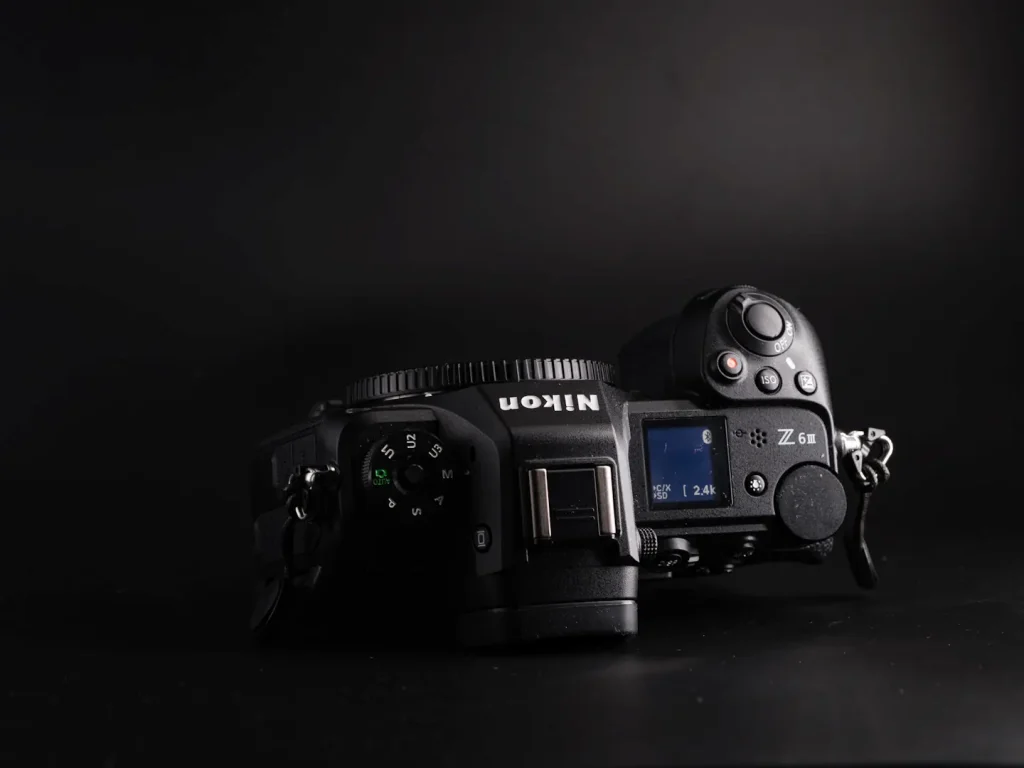
The Nikon Z6III feels compact and rugged — very much in line with my OM System OM-1 Mark II. The grip is beautifully sculpted and comfortable enough for all-day shooting, while the buttons have a reassuring click and excellent haptic feedback. Nikon has opted for the more consumer-friendly C1-C3 custom modes on the PASM dial, which makes it easy to set up presets for your most common subjects. The 5.76-million-dot EVF is a standout feature — expansive, crisp, and with a fast refresh rate that feels almost cinematic. The fully-articulating rear LCD will please hybrid shooters, and the overall body feels impressively light for full frame. If I have one small complaint, it’s that the body is just a touch short; my pinky finger tends to dangle in no man’s land beneath the grip.
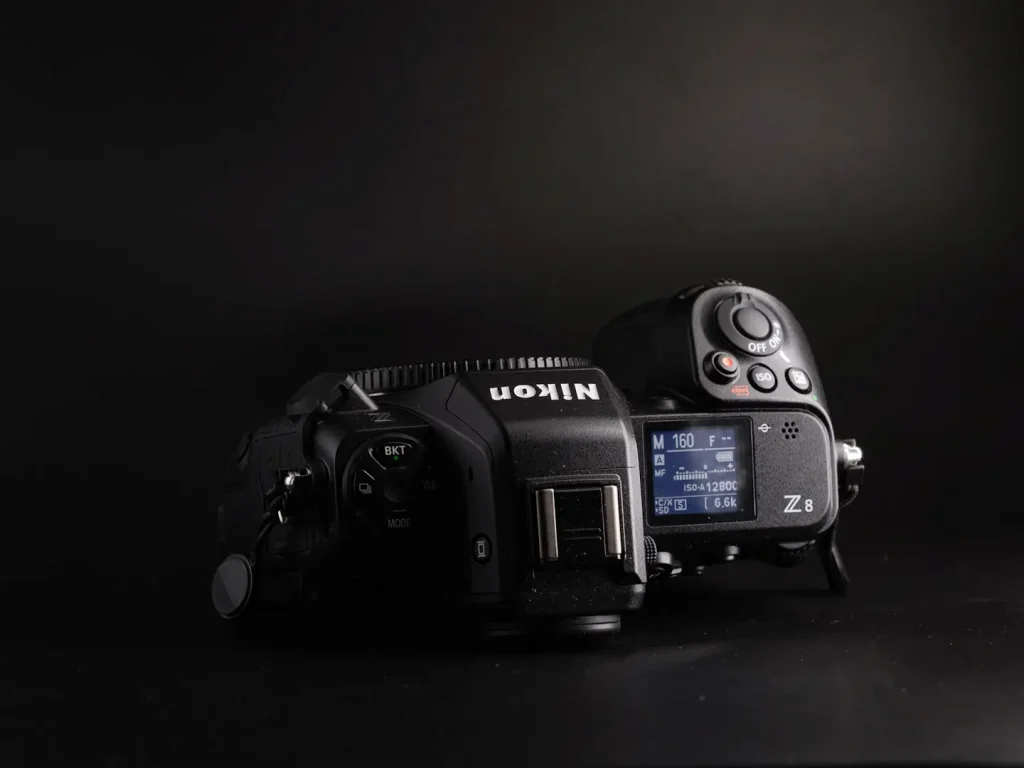
By contrast, the Nikon Z8 feels more substantial — a little heavier, yes, but also more serious in its build. The grip is near-perfect for my small-to-medium hands, offering just the right amount of surface area to feel like an extension of my hand rather than a tool I’m holding and with a few key accessories it’s near perfect.. It inspires confidence the moment you pick it up. The Z8’s buttons have that same crisp feel as the Z6III’s but with a few more at your disposal, including a dedicated autofocus-mode button on the left side that’s genuinely useful in fast-changing situations.
The Z8 also trades the Z6III’s C1-C3 dial for Nikon’s professional-grade memory banks, allowing far deeper customisation for different shooting scenarios. Its EVF, while lower in resolution at 3.69 million dots, is bright, blackout-free, and a pleasure to use. The three-way tilt LCD design might not rotate for video work, but for stills photography I actually prefer it — it’s quicker and less obtrusive when shooting from high or low angles.
Both cameras feel exceptionally well built, but if I had to take one into truly extreme conditions, it would be the Z8. In fact, during the aftermath of a typhoon, that’s exactly what I did. It’s the camera I instinctively reached for — a reliable workhorse that feels capable of handling whatever you throw at it, both in subject matter and in weather.
In short, the Z6III delivers about 80 percent of the Z8’s performance in a smaller, lighter, and more travel-friendly form. The Z8, meanwhile, is the camera you grab when you need absolute reliability — the one that feels like it can take a beating and come back asking for more.
Performance & Autofocus

In real-world shooting, both cameras are excellent. Whether I’m photographing street scenes, family moments, or travel, there’s very little between them in terms of pure autofocus performance. The only consistent difference I’ve noticed is that when using eye AF, the Z8 feels just a little quicker to pick up the subject and slightly more “sticky” in maintaining focus. It’s subtle, but if you shoot both cameras back to back, you notice it.
Having now extensively used both cameras for wildlife photography, the Z8’s AF is stickier with fast moving subjects but the Z6III is not far off.
Switching between autofocus options is also faster by default on the Z8 thanks to the dedicated AF button on the left side of the body. However, I now rarely use this as I have set up the Z8 Af settings to be quickly accessed and changed via my custom wildlife settings. I’ve also set up the Z6III to mirror this as closely as possible. In terms of hit rate, the Z8 edges ahead slightly — maybe 95% versus 90% for the Z6III — not a dealbreaker by any stretch, but noticeable in demanding situations.
One quirk worth mentioning: the Z8 doesn’t have a physical shutter, relying entirely on an electronic one. The sound it produces is… underwhelming, especially for a camera of its stature. The Z6III, by comparison, has a more satisfying and traditional shutter sound that gives you that tactile sense of shooting. It’s a small detail.
For most photographers, both cameras will do everything you need in terms of AF speed and reliability. The Z8 gives you that extra fraction of confidence when chasing fleeting moments, but the Z6III is no slouch — it’s a camera you can still trust to deliver nearly every shot.
Image Quality & Sensor Character

The most obvious difference between these two cameras is resolution — and you can see it straight away. The Z8’s 45.7MP sensor delivers noticeably more detail and flexibility to crop in, which makes it especially valuable if, like me, you shoot primes a lot. That extra resolution also lets you print roughly a size larger before quality starts to fall off, and it makes the DX crop mode genuinely usable in practice.Where the resolution really comes in to its own for me is when shooting wildlife photography. In Dx mode the Z8 still produces 20mp files which are very useable. It effectively gives you two focal lengths for each Nikon Z lens you own, and in turn, more reach. The Z6III in Dx mode only gives you 10mp files which is fine, if you don’t have to crop any further. However, with wildlife photography, you often need to crop in to an image so the Z8 is simply more usable.

But the difference in image quality isn’t just about megapixels. The Z8’s base ISO of 64 produces cleaner files than the Z6III’s base ISO 100, with tonality that edges surprisingly close to what I see from my GFX system. If you’re a landscape shooter, or you regularly work in bright light, that cleaner base ISO can make a real difference.
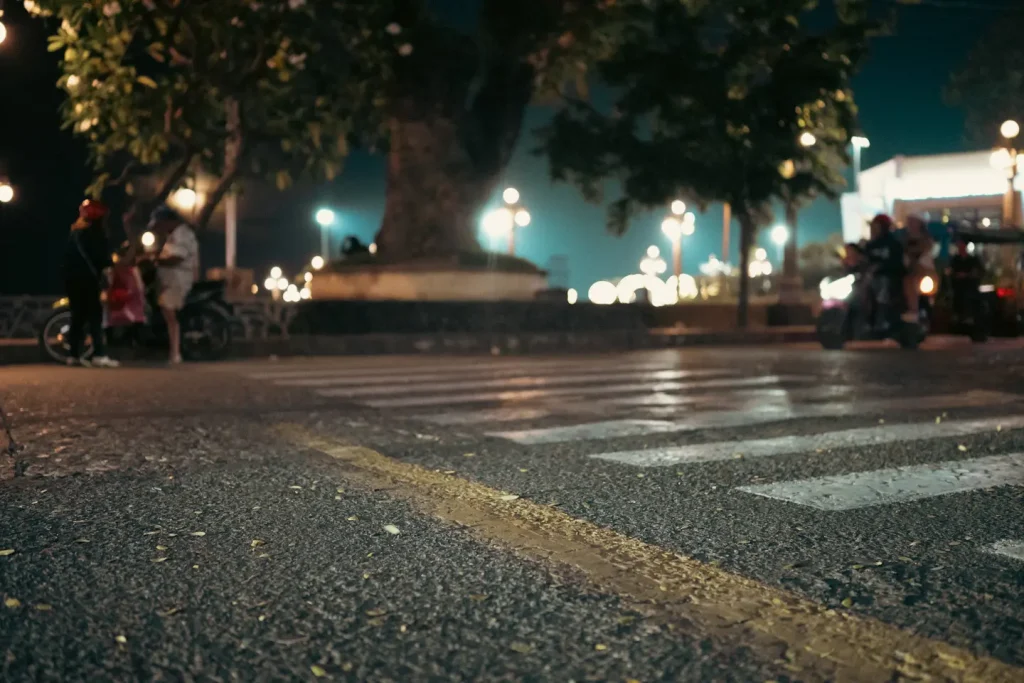
The flip side is that the Z6III performs better at higher ISOs. Its 24.5MP sensor produces visibly less noise in low light, and skin tones at ISO 6400 and above look smoother and more natural. When you downsize Z8 files to match the Z6III’s resolution, the gap narrows, but straight out of camera the Z6III retains a small edge in high-ISO usability — perhaps half to one stop.
Dynamic range between the two is effectively a draw, with both offering more than enough flexibility for anything I shoot. In everyday use, I slightly prefer the look of Z8 files at lower ISOs — but once the light drops, the Z6III becomes the more dependable choice.
If I were shooting landscapes, or wildlife, I’d reach for the Z8 every time. For portraits or low-light work, the Z6III is the one that delivers the cleaner, more forgiving files. Both are excellent — they just shine at opposite ends of the ISO range. For general use, it’s a case of deciding, do you want the extra detail and flexibility of the Z8 files with the additional hard drive and processing requirements or is 24mp sufficient for you.
Features & Usability
The Nikon Z8’s professional-level memory banks allow for much deeper customisation than the Z6III’s consumer-style C1–C3 modes. In theory, they’re great for pros who constantly adapt to changing light and need the camera to keep up — you can pick up exactly where you left off, with all your last adjustments intact. In practice, though, they’re not quite as refined as they could be.
I’d love to see Nikon merge the standard and extended menu banks to make switching settings faster, and add an option to lock banks so they always revert to your original setup. As it stands, it’s easy to forget you made changes mid-shoot, turn the camera back on later, and find yourself shooting with completely inappropriate settings. Naming each bank is helpful, but if you want to restore your baseline setup, you either have to do it manually or reload from a memory card — a bit of a faff for what should be a simple process.
By comparison, the Z6III’s simpler C1–C3 custom modes feel far more intuitive. I can set up three straightforward configurations — say, landscape, portraits, and street — and know exactly what I’m getting each time. They may not be as flexible, but they’re faster and more reliable in real-world use.
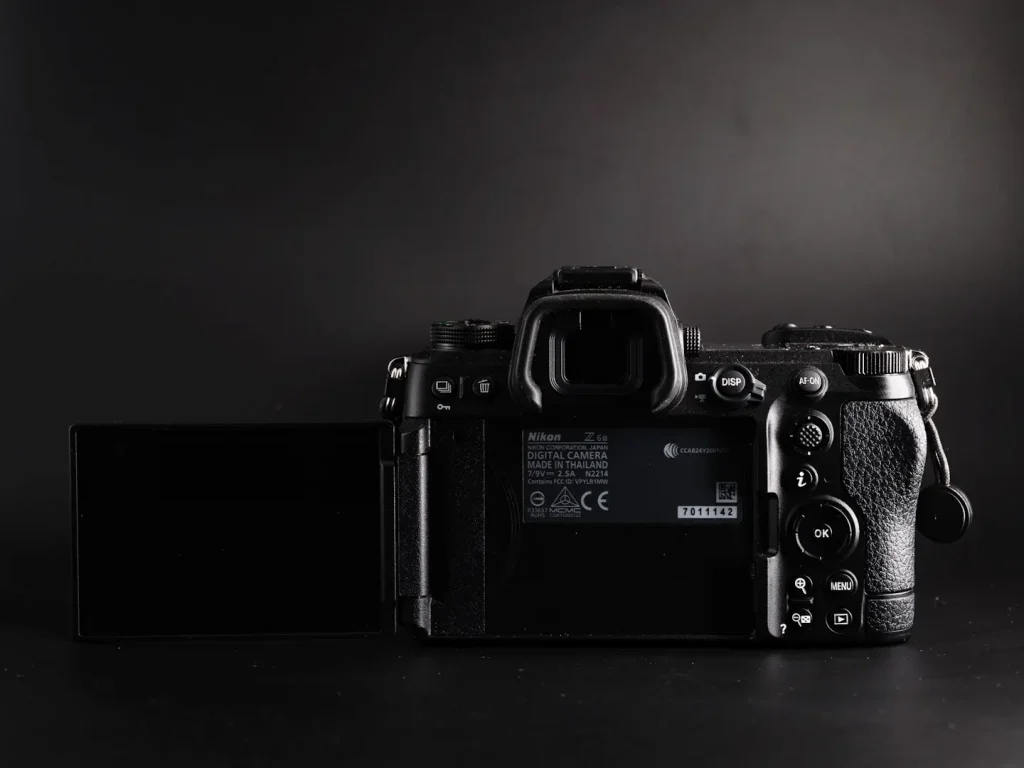
As for displays, both cameras have excellent EVFs. On paper, the Z6III’s 5.76M-dot viewfinder is technically superior, but when shooting back-to-back, I honestly don’t notice a meaningful difference. When shooting wildlife, I prefer the Z8’s blackout-free viewifinder. The LCD, however, is a clear win for the Z8. Its three-way tilting design is simply more practical for stills — it lets you tilt up or down in landscape orientation without swinging the screen to the side, making it both quicker and more discreet in use.
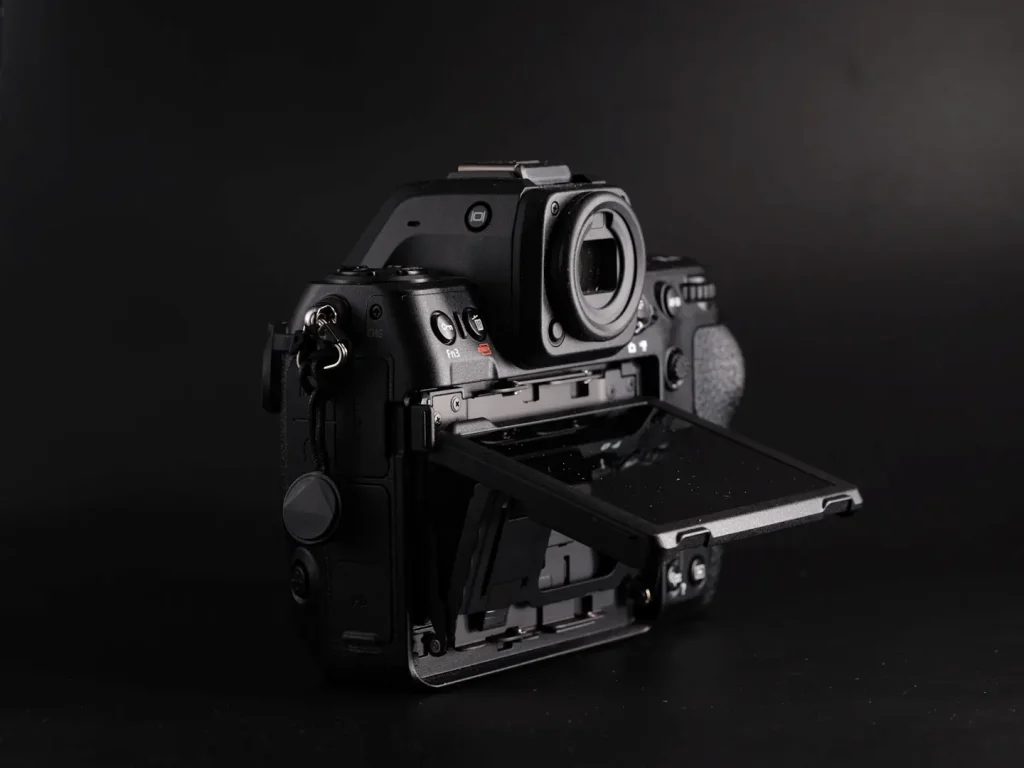
The Z6III’s shutter has a more satisfying feel and sound, while the Z8’s is meek by comparison — a small but noticeable difference that affects the shooting experience. Both cameras feature dual card slots (CFexpress Type B + SD), offering plenty of speed for high frame rates up to 120fps JPEG or 20fps RAW.
The Z8 pulls ahead slightly in usability refinements. Its larger top LCD is easier to read and lights up when you turn the camera on/off switch to its extended position — a real help in low light — and the illuminated rear buttons are a godsend for night shooting. The Z6III’s smaller top display gets the job done but requires a separate button to light it, and the buttons on the back aren’t illuminated. The Z8 offers more function buttons which come in handy.
Overall, both cameras feel familiar and easy to live with, but the Z8 edges ahead in thoughtful touches that make it more versatile in demanding conditions.
Price, Value & Who Each Is For
When it comes to value, the Nikon Z6III is hard to beat.
If you are a general shooter, who wants a camera that is very capable for most types of photography, the Z6III is the one to go for. I go in to more detail about who should buy the Nikon Z6III if you’re still undecided.
The Nikon Z6III offers great performance in every area, from portraits to landscapes, from wildlife to video and low light performance is truly fantastic. Compared to its competition from Canon and Sony, it offers an incredible amount of performance for the money. If you want one of the best all round full frame cameras available, you won’t regret buying it. The autofocus is excellent, the handling is way better than any Sony, and the files it produces are stunning. It’s a camera that feels capable of doing any genre of photography very well. It’s probably the best overall enthusiast level camera available today.
For most photographers, the Z6III simply makes more sense. It’s smaller, lighter, easier to travel with, and perfectly suited to family, portrait, and general photography and importantly, it’s great value.
Who Should Choose the Z8?
However the price of the Nikon Z8 has come down in 2026 and can now be had for a lot less than its original release price. Currently it’s about $1400 more than the Z6III. That’s incredible value for a flagship level camera, especially as Nikon have continued to roll-out improvements and new features via firmware.
Having now owned both cameras for over a year and shot them much more since moving to Scotland, I can tell you which one I reach for most. I think that says more than any specs can. If I have the choice I always reach for the Z8 because of the extra resolution, the rear screen, and the ergonomics (mainly the grip) by a significant margin.
I’ve been shooting a lot more landscape and wildlife photography here in the Scottish Highlands lately and, in my opinion, those are two of the areas where the benefits of the Z8 really start to show.
The higher resolution sensor gives noticeably more detail in landscapes and is also a huge benefit for wildlife photography. One of the things I particularly like is the ability to switch into DX crop mode and still get usable 20MP files, which effectively gives extra reach without sacrificing too much image quality.
The blackout-free viewfinder in the Z8 is also better for tracking birds in flight, and the autofocus feels just a bit more sticky and customisable overall. It’s not a night-and-day difference compared to the Z6III, but when shooting difficult or fast-moving subjects, I do trust the Z8 more.
With larger lenses such as telephotos for wildlife photography, the Z8 also feels more balanced in the hand thanks to its larger body and deeper grip. The overall setup simply feels more confidence inspiring when carrying heavier glass for long periods outdoors.
If I could only keep one, it would be the Z8 — it’s the kind of camera you can keep for a decade and never feel the need to upgrade, but if I had to live with the Z6III instead, I wouldn’t be disappointed for a second. It’s one of those rare cameras that gets almost everything right, and it proves just how far Nikon has come in making professional-level performance accessible to almost everyone.
Current availability and pricing:
More on the Nikon Z System
If you’re looking for more technical insights or comparisons within the Nikon ecosystem, these articles may be helpful:
- Best Nikon Z6III Accessories
- Best Lenses for the Nikon Z6III
- Nikon Z6III vs. Fujifilm X-T5: Real-World Comparison
- Nikon Z 35mm f/1.8 S Review
- Nikon Z 50mm f/1.8 S Review
Frequently Asked Questions
Is the Nikon Z8 really worth the extra money over the Z6III? For most photographers, no — not strictly. The Z8 is the more capable camera on paper, but in real-world shooting the gap is far smaller than the price difference suggests. You’re paying for extra resolution, slightly stronger autofocus reliability, tougher build, and pro refinements. If you genuinely need those things, the Z8 earns its keep. If not, the Z6III delivers most of the experience for far less money.
Which camera is better for family, portraits, and everyday photography? The Z6III is the better fit for most everyday photography. Its lighter body, cleaner high-ISO files, simpler custom modes, and more satisfying shutter make it easier — and more enjoyable — to live with. Unless you regularly need heavy cropping or shoot fast action in difficult conditions, the Z6III is the camera I’d recommend for family, portraits, travel, and general use.
Is the autofocus difference between the Z6III and Z8 noticeable? Only slightly, and mainly in demanding situations. The Z8’s eye AF locks on a fraction faster and stays locked a little more confidently when subjects move erratically. In normal use — street, portraits, family moments, travel — the difference is minimal. Both cameras are excellent; the Z8 just gives you a small extra margin when timing really matters.
Does the Z8’s higher resolution actually matter in real use? It matters if you crop heavily, print large, or shoot wildlife and landscapes where detail is critical. The 45.7MP files give you more flexibility and make DX crop mode genuinely usable. If you mostly share images online, print modest sizes, or value storage efficiency and a faster workflow, the Z6III’s 24.5MP sensor is more than enough.
Which camera performs better in low light? The Z6III has the edge in low light. Its lower-resolution sensor produces cleaner files at high ISO, with smoother noise and more forgiving skin tones. The Z8 can narrow the gap when files are downsized, but straight out of camera the Z6III is the more dependable choice once light levels drop.
Is the Z8 overkill for non-professional photographers? It can be — but that doesn’t mean it’s a bad choice. The Z8 is a professional tool, and if you value absolute reliability, shoot demanding subjects, or simply want the best Nikon currently offers, it won’t disappoint. Many enthusiasts will get more practical value from the Z6III and may never feel limited by it.
Which camera is better for travel? The Z6III is the more travel-friendly camera. It’s lighter, smaller, easier to carry all day, and produces smaller files that are quicker to manage on the road. The Z8 is still portable for a pro body, but if weight and simplicity matter, the Z6III is the better companion.
If you could only choose one, which would you pick? If I had to own just one camera with no compromises, I’d choose the Z8 for its sheer capability and confidence in tough conditions. But if I were buying for enjoyment, travel, family, and everyday photography, the Z6III is the smarter and more balanced choice — and the one I’d recommend to most people without hesitation.
Very helpful review. I have a z6iii and have just bought the 180-600 lens to add to my collection of both z and fx lenses. I am an enthusiast and hobbyist. I was considering purchasing a z8 but have had great results from the z6iii. Perhaps I will review the second hand market at some point but for now there’s still lots to learn about the z6iii and how to get the best out of what is a brilliant camera.
Hi Lee,
Thanks for your comment. The Z6III is really capable. I was out with mine yesterday along with the Z 180-600mm. Unfortunately I didn’t see too much wildlife but I did confirm the settings and custom setup from my Z8 works really well on the Z6III. I’ll be publishing them very soon which might be helpful.
All the best
David
Thanks for the great hands on review.
I was considering the Z6iii as part of a second camera set up with my Z8, but it seems to come up short in a couple of key areas.
1. Shutter noise. I’m a dance photographer and often shoot in theatres, where the near silence of the Z8 is perfect. I don’t miss the clunk-click of my DSLR’s!
2. The frame blackout of the Z6iii, no matter how short, is a deal breaker. I tried the Z7ii with high hopes when it came out, but that micro blackout plays havoc with the timing of jumps etc. it seems that the z6iii has the same issue.
It’s a real shame, as I didn’t want to have buy another Z8 when the z6iii is such fantastic value for money!
Oh well…..I’d better start saving! Lol!
Hi Barry,
As good as the Z6III is, the Z8 is hard to ignore at todays prices and when you already have one Z8 for pro work, getting a second is ideal. Both are great but the Z8 is still the better camera if you don’t mind paying for it.
All the best
David