
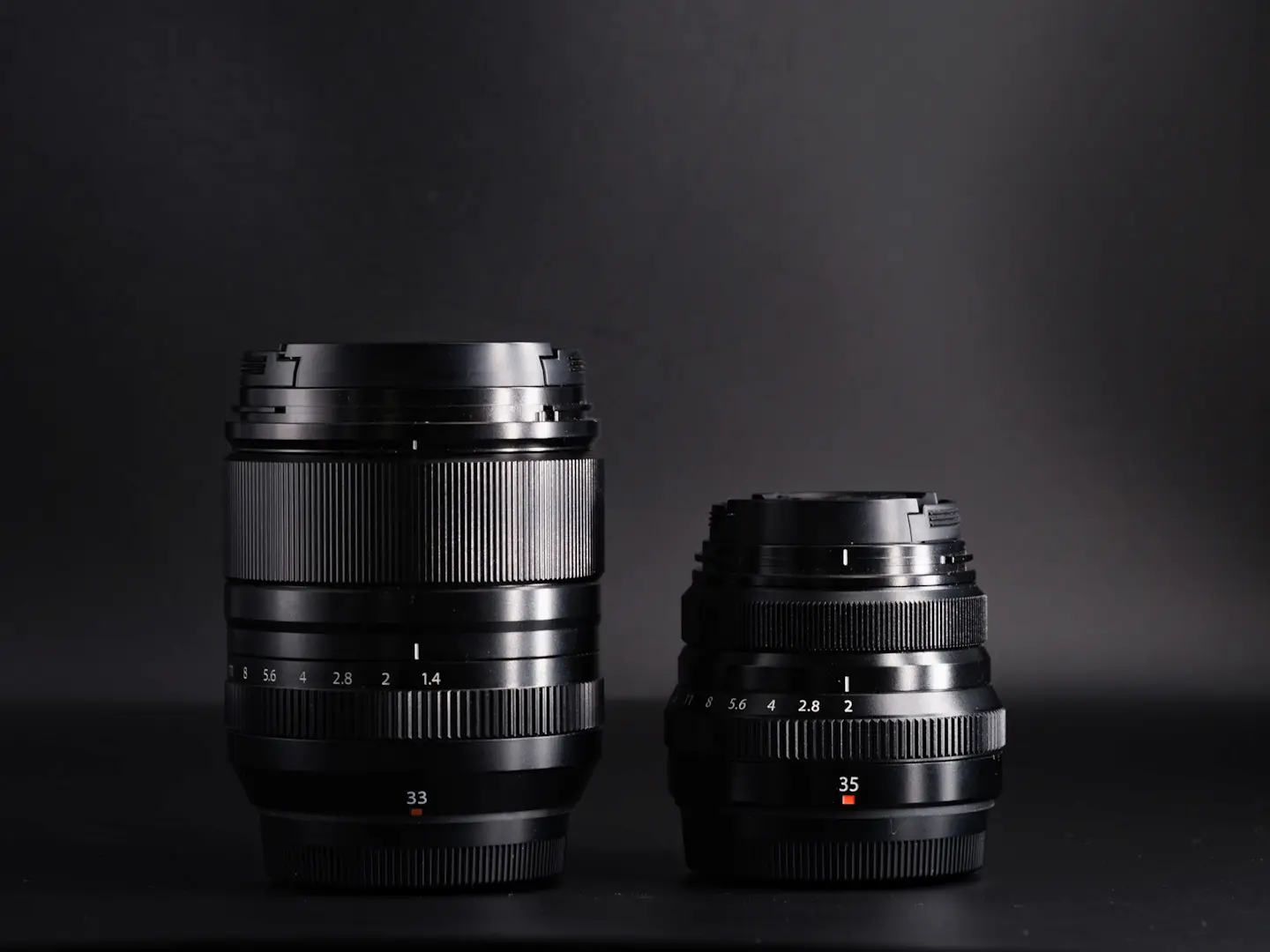
I own both of Fuji’s “normal” primes — the compact XF 35mm f/2 and the newer XF 33mm f/1.4 WR — and on paper, they look very similar. Same field of view, both weather-sealed, both solid everyday options.
But here’s the thing: they couldn’t feel more different once you actually use them. The 35mm f/2 is the lens I throw on when I want to travel light, blend in, and not think too much. The 33mm f/1.4, on the other hand, is the lens I reach for when I want my photos to have that extra depth, that three-dimensional look that makes people stop scrolling. If you’re looking for a lens with even more ability to isolate subjects then take a look at the Fujiflm 56mm 1.2WR which I reviewed here.
If you want to see which Fuji lenses I recommend, take a look at my guide to the best Fujifilm lenses in 2026.
If you’re trying to decide which lenses pair best overall with the X-T5, I’ve broken it all down in my best Fujifilm X-T5 lens setups guide and for more details, see articles like my Fuji 18mm f/1.4WR review or the comparison between the 18mm 1.4wr and the 23mm 1.4wr lenses.
Stick with me, and I’ll help you figure out which of these lenses actually fits the way you shoot — not just what looks good on a spec sheet.
This post contains affiliate links. If you buy something through these links, I may earn a small commission at no extra cost to you. I only recommend gear I use and trust.
TL;DR
The XF 33mm f/1.4 WR is the better lens — sharper wide open, more subject separation, and one of my personal favorites.
But for most Fuji shooters, the XF 35mm f/2 makes more sense. It’s smaller, lighter, and about half the price while still delivering excellent results. Unless you really want that extra stop of light, the 35mm f/2 is the smarter choice.
Size & Handling
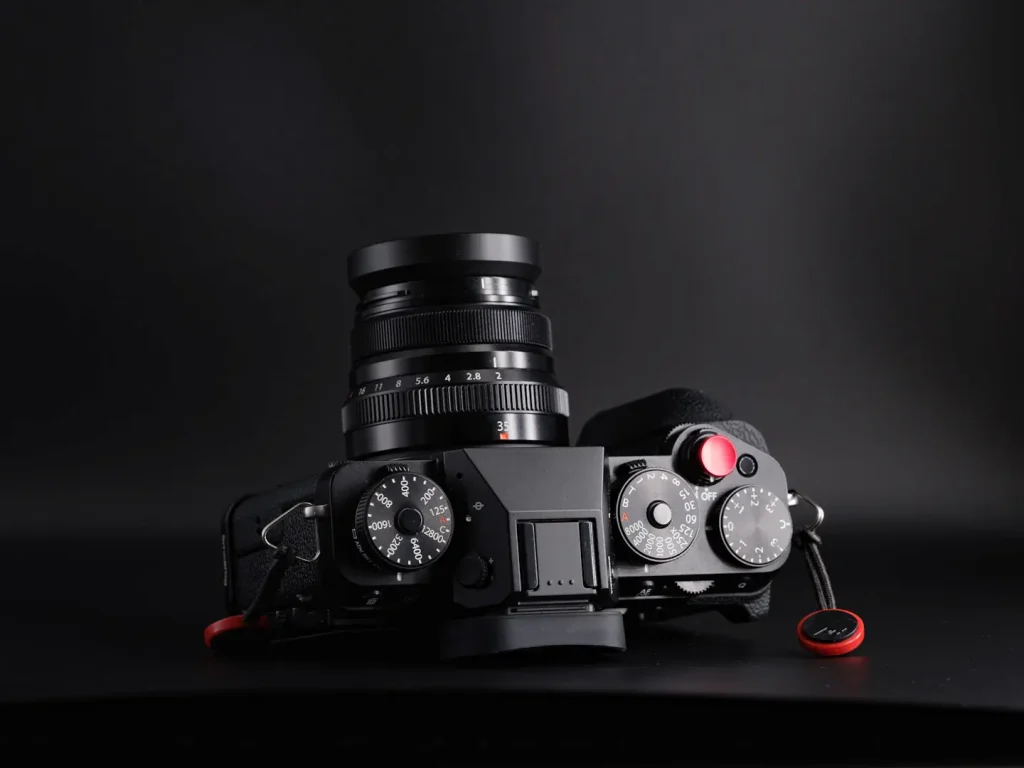
The XF 35mm f/2 is about as small and light as Fuji lenses get. Mounted on my X-T5, the overall package feels not much heavier than my X100VI — more like carrying a compact camera than an interchangeable-lens setup. It fits in any bag, is completely discreet for street work, and balances well on the body even with no grip attached. For pure portability, it’s an easy win. I recently posted my long term Fuji X-T5 review.
The XF 33mm f/1.4 WR is the more robust option, but it’s still nowhere near “large” when compared to full-frame glass. In fact, it sits comfortably in the same size category as many f/1.8 primes for bigger systems. On the X-T5 it balances nicely, and I find it benefits from a SmallRig L-grip for all-day comfort. The extra real estate on the lens actually suits the way I shoot — my left hand carries the weight while my right operates the camera — so I never find it front-heavy.
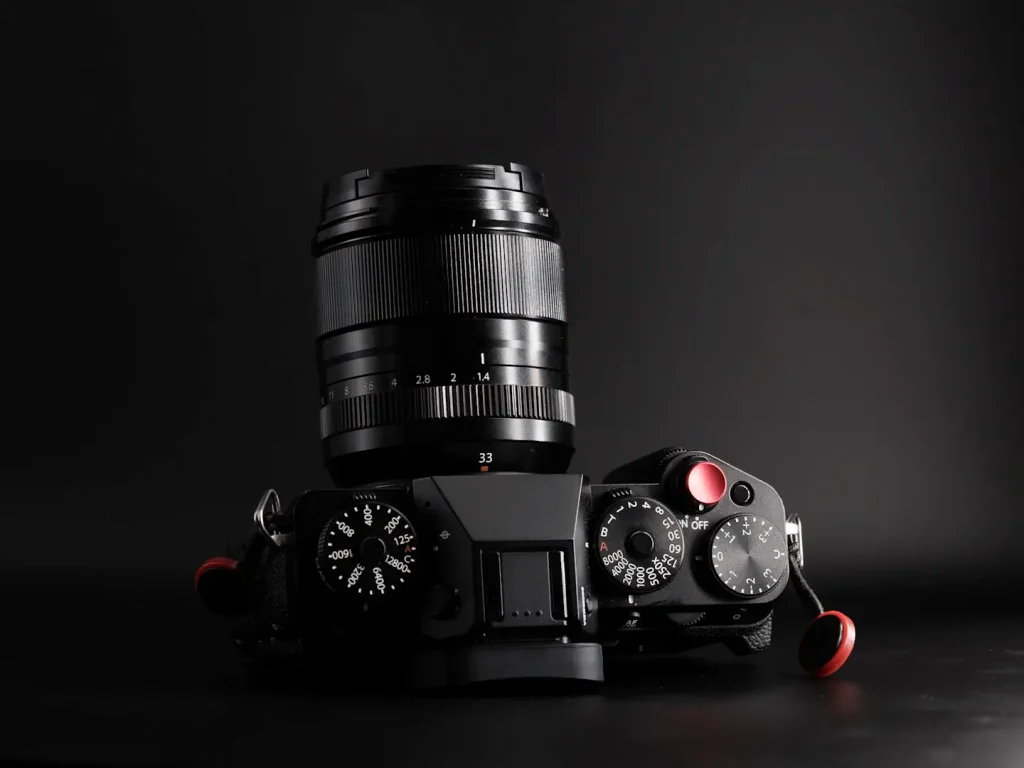
Both lenses feature well-damped aperture rings, though the 33mm adds a locking mechanism at the “A” setting and has slightly more defined clicks between stops. The 35mm’s aperture ring is lighter, but still precise. Each comes with a hood: a compact but cleverly designed one for the 35mm, and a larger, more conventional hood for the 33mm. Neither lens struggles with flare. Filter sizes differ (43mm vs 58mm), but both are small enough to keep filter prices reasonable.
In practice, both lenses handle beautifully, but if I had to choose, I prefer the 33mm f/1.4 WR. It’s that sweet spot: big enough to feel comfortable and purposeful, yet not so large that it becomes a burden.
Specs Comparison
XF 35mm f/2 R WR
- Focal Length: 35mm (53mm equiv.)
- Maximum Aperture: f/2
- Minimum Aperture: f/16
- Aperture Blades: 9 (rounded)
- Filter Thread: 43mm
- Weight: 170g
- Length: 45.9mm
- Weather Sealing: Yes
XF 33mm f/1.4 R LM WR
- Focal Length: 33mm (50mm equiv.)
- Maximum Aperture: f/1.4
- Minimum Aperture: f/16
- Aperture Blades: 9 (rounded)
- Filter Thread: 58mm
- Weight: 360g
- Length: 73.5mm
- Weather Sealing: Yes
Autofocus & Usability
When it comes to autofocus, both lenses are excellent. They lock on quickly, track confidently, and are about as assured as you can get in Fuji’s lineup. If I had to pick a winner, I’d give the slight edge to the 33mm f/1.4 WR for photography — not because the 35mm f/2 is slow, but simply because the 33mm’s wider aperture helps it perform a touch better in low light.

In everyday use, though, there’s very little separating them. Both are near-silent, both are extremely accurate, and both are fast enough for anything I shoot, whether that’s street work or family life. Unlike Fuji’s older primes, there’s no hesitation or hunting here.
In short, autofocus isn’t a deciding factor between these two lenses. They both just get the job done.
Character & Rendering


One subtle point worth noting: the XF 33mm f/1.4 is a touch wider than the XF 35mm f/2. It’s not a huge difference, but if you shoot them side by side on the same body, you’ll notice the framing shift.
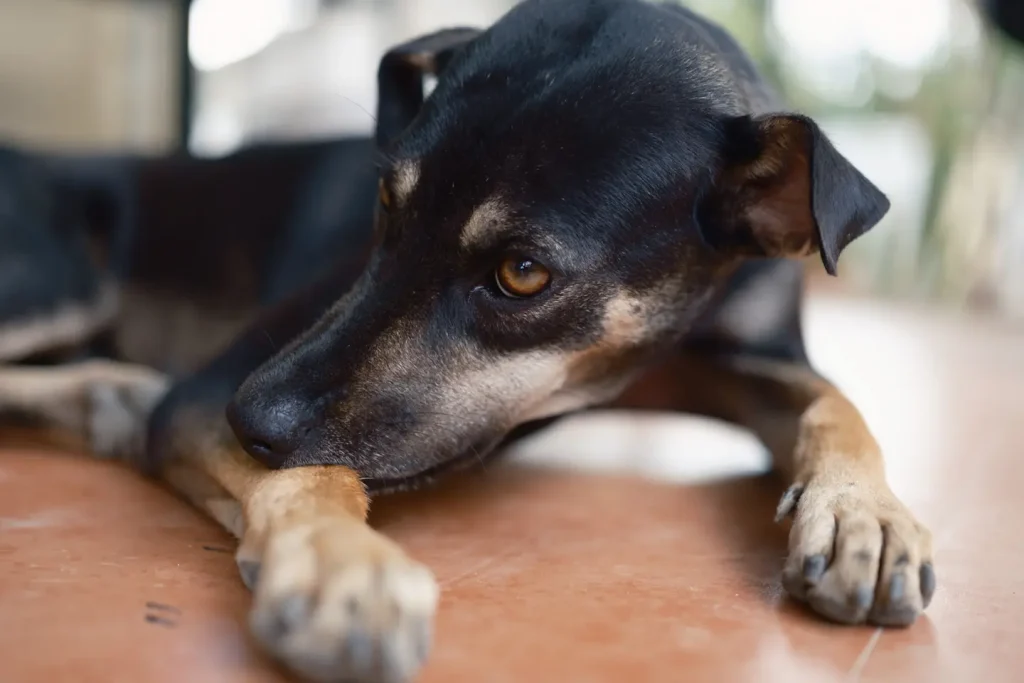
In terms of overall rendering, they’re actually very similar. Neither lens dramatically changes the mood of an image, and neither stands out as objectively “better” in character. The real distinction comes from the aperture: the 33mm’s f/1.4 gives you more flexibility to separate subjects and lean into that classic shallow depth-of-field look. That extra stop also gives images a little more depth and presence when you want it.
Personally, I like having the option of f/1.4 — it just opens up more creative choices. But I wouldn’t feel limited by the 35mm’s f/2 aperture either. Both lenses produce pleasing, natural rendering that suits a wide range of subjects.

Price & Value
This is where the gap really shows: the XF 35mm f/2 comes in at around half the price of the XF 33mm f/1.4 WR.
For me, the 33mm is worth it — I prefer its handling, the extra stop of aperture, and the slightly more refined image quality. It’s why I shoot primes in the first place. But there’s a reason the 35mm f/2 stays in my kit. It delivers almost everything the 33mm does — sharp image quality, fast autofocus, weather sealing, and an aperture ring — at half the size, half the weight, and crucially, half the cost.
At around $449, the 35mm f/2 offers excellent value. If you shoot street, travel a lot, or just want a high-quality standard prime without spending double for the extra stop and marginal sharpness, it’s the obvious choice. In short: unless you specifically want the very best Fuji can offer at this focal length, the 35mm f/2 is the no-brainer buy.
Fujifilm XF 35mm f/2 R WR
Compact, discreet, and half the price of the 33mm f/1.4 — a no-brainer if you want a lightweight, affordable standard prime.
Check Price on AmazonFujifilm XF 33mm f/1.4 R LM WR
Fuji’s premium standard prime — sharper, faster, and with that extra stop of aperture for more subject separation and low-light flexibility.
Check Price on AmazonConclusion
The XF 33mm f/1.4 WR is one of my favorite Fuji lenses. I love the way it handles, I love the files it produces, and I’d buy it again in a heartbeat. If you want the absolute best in this focal length, it delivers.
But here’s the reality: I’d struggle to recommend it over the XF 35mm f/2. At around half the price, the 35mm f/2 is simply too good — it gives you sharp image quality, fast autofocus, weather sealing, and a discreet form factor, all in a smaller, lighter, cheaper package. Unlike the 23mm f2 and 23mm 1.4 WR lenses, there just isn’t as big a gap between the 35mm and 33mm variants.
Put simply: If I could only have one of these, it would be the 33mm, but if I could only have the 35mm, I’d still be content.