
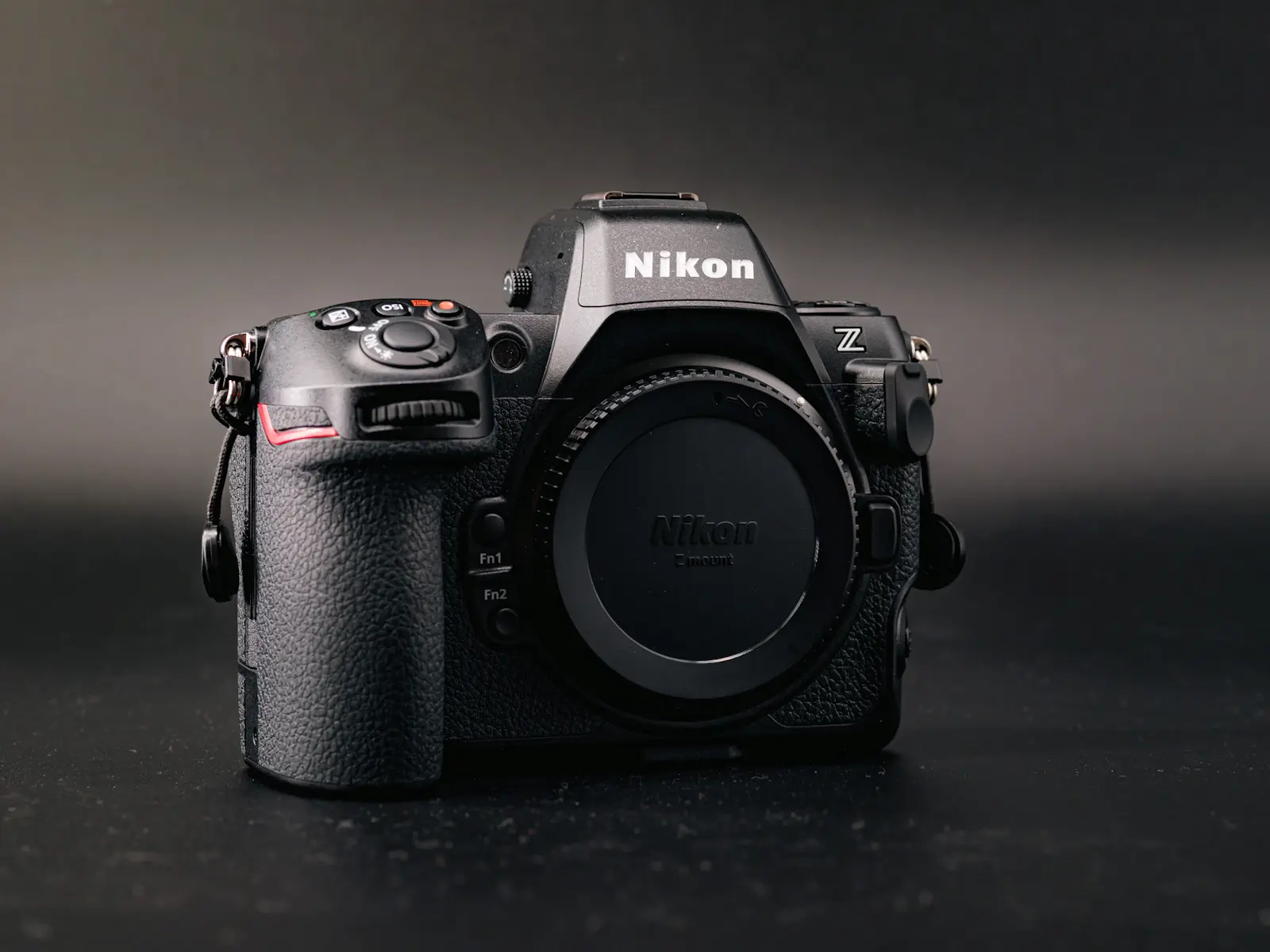
Last updated 13th September 2026: Having owned the Nikon Z8 for over a year now, I chose it as the core camera for my photography. Everything in this review as well as continued heavy use of the Z8 and Z system as a whole lead me to realise that it does everything that I need and I sold off every other camera system that I owned in the Summer of 2026 to consolidate around the Z system for all my work.
Ever since Nikon launched the Z9, I wanted one.
Here was a camera that finally seemed like the leap forward from my old Z7II — a camera that offered the kind of autofocus performance, handling, and ergonomics I’d been missing ever since my DSLR days shooting with the Nikon D850.
But despite how tempting it was, I never quite found myself in a position where I could justify buying one.
At the time, I was living in the Philippines, shooting mainly travel photography alongside everyday life there. The Z9 felt too big, too expensive, and ultimately too much camera for the kind of photography I was doing at that stage.
Then Nikon removed two of my biggest objections almost overnight by releasing the Nikon Z8.
It was smaller, cheaper, and seemed to offer almost everything the Z9 did in terms of performance. I cracked and bought one — and I’ve been shooting with it ever since.
Since then, the Z8 has travelled with me from the Philippines to Scotland. I’ve used it for travel photography, family photography, landscapes, wildlife work, and general day-to-day shooting here in the Scottish Highlands.
I’ve deliberately held off writing this review for quite a while because the Z8 is such a capable camera across so many different genres that I always felt I needed more time with it before trying to properly review it.
Now, after owning it for around a year and shooting a huge variety of subjects with it, I finally feel ready to give a proper long-term verdict.
And to put it simply: the Nikon Z8 is the best camera for photography that I’ve ever used.
That doesn’t mean it’s perfect, and it certainly doesn’t mean everyone needs one, but after months of real-world use, it has become my primary camera — and I expect it will stay that way for a long time to come.
The Nikon Z8 is the best and most versatile camera I’ve ever used. What makes it so impressive is that it delivers top-level performance across almost every area of photography without ever feeling like you’re making a meaningful compromise anywhere.
Autofocus is outstanding, handling is the best I’ve ever experienced on a camera, the responsiveness is exceptional, and the 45MP files offer superb image quality with huge flexibility for cropping and post processing. Whether you shoot landscapes, wildlife, travel, family photography, or a mix of everything, the Z8 feels capable of handling it all.
Its biggest weakness is arguably that not everyone actually needs this much camera. Battery life still falls behind the Z9, CFexpress cards are more expensive than SD cards, and Nikon’s memory bank system won’t suit everyone, but in real-world use, there’s very little the Z8 genuinely struggles with.
If you want one camera that can confidently handle almost any type of photography at a professional level, the Nikon Z8 is incredibly hard to beat, and in 2026 it’s even priced reasonably cheaply for what it offers.
This article contains affiliate links. If you choose to buy through them, I may earn a small commission at no extra cost to you. I only recommend gear I’ve personally used and trust.
Nikon Z8
The Nikon Z8 combines flagship-level autofocus, superb ergonomics, exceptional image quality, and incredible versatility in one professional-level camera body.
Check Latest Price• Sensor: 45.7MP Full-Frame Stacked CMOS
• Processor: EXPEED 7
• Continuous Shooting: Up to 20fps RAW
• Autofocus: 493-point Phase Detect AF
• Subject Detection: People, Animals, Birds & Vehicles
• Video: Up to 8K 60p / 4K 120p
• IBIS: 5-axis In-Body Stabilisation
• EVF: 3.69m-dot Blackout-Free EVF
• Storage: CFexpress/XQD + SD UHS-II
• Weather Sealed: Yes
• Shutter: Electronic Only (No Mechanical Shutter)
• Weight: Approx. 910g
Why I Bought the Nikon Z8

For years, I’d dreamed of properly getting into wildlife photography, but circumstances never quite lined up.
I’d bought into wildlife-capable systems before, but if I’m honest, I usually ended up compromising somewhere along the way — downsizing my ambitions and convincing myself I didn’t really need a serious wildlife setup. Deep down, I think I was trying to justify the expense of buying into a system for a type of photography I wasn’t sure I’d ever truly have time to pursue.
At that point, I realised that if I was ever going to properly pursue wildlife photography, this was the moment to do it.
But there was another side to it as well.
I didn’t just want a wildlife camera. I also wanted a camera that was just as capable for landscape photography because, in many ways, moving back to Scotland also meant returning to my landscape photography roots — roots that were originally formed nearly two decades ago while shooting in the Outer Hebrides.

Now, back in Scotland again, surrounded by mountains, forests, rivers, and constantly changing weather, I wanted to immerse myself in what I think of as real landscape photography once more.
I already knew from my years using the Nikon Z system that the lens lineup suited my style of photography almost perfectly.

The smaller 1.8 S primes like the 35mm 1.8S had been ideal for my travel photography and everyday shooting while living in the Philippines, while Nikon’s high quality zooms felt perfectly suited to landscape work here in Scotland. And when it came to wildlife photography, I genuinely believe Nikon now offers one of the strongest lens lineups available — especially for Z8 users.
Before the Z8, I already owned cameras that excelled in specific areas. The Fuji GFX100S gave me incredible image quality, while the OM System OM-1 was, on paper, an extremely capable wildlife camera.
But what I didn’t have was a single camera that combined both worlds as convincingly as the Z8 seemed to.
I wanted one professional-level workhorse camera that could handle landscapes, wildlife, travel, and general photography without feeling like I was making major compromises in any particular area.
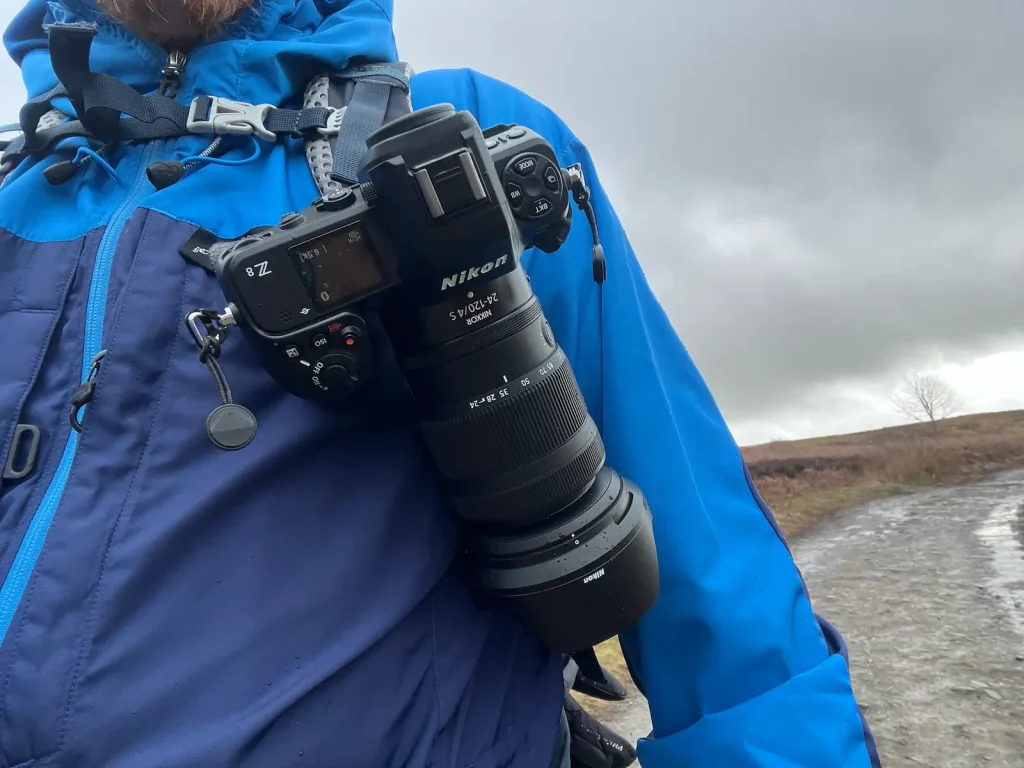
That’s exactly what drew me to the Nikon Z8.
And as you’ll see throughout this review — and across much of my website — the Z8 has since become my default camera for landscapes and wildlife photography here in the Scottish Highlands. In fact, as of September 2026 I have sold off all my other gear and have consolidated around the Nikon Z system with the Nikon Z8, Z6III and Zf along with a strong selection of Z glass. It does everything that I need and slimming my gear down to one brand has removed distractions as I start to focus more on my work here in Scotland.
It’s a camera that gives me confidence to head out and shoot regardless of the weather, the subject, or the conditions. I’ve used it recently to shoot everything from the local fields to scouting for wildlife . I have a comprehensive selection of Nikon Z lenses and put together a guide to the best Nikon Z lenses.
Design, Handling & Build Quality
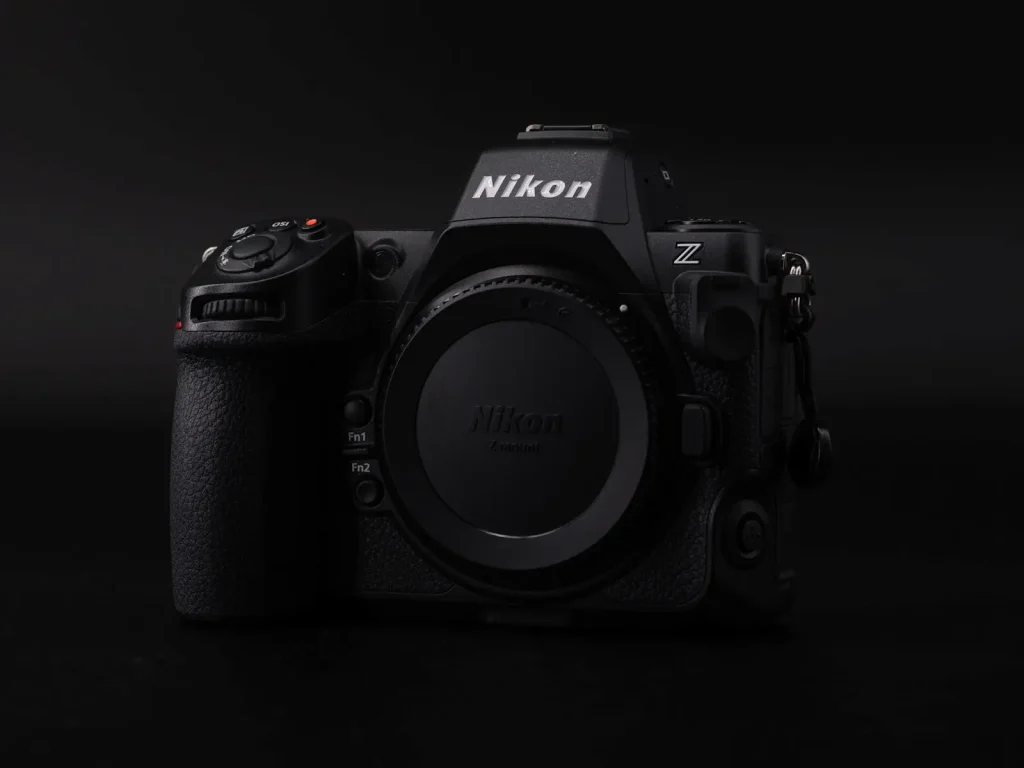
I’m just going to come right out and say it: the Nikon Z8 is the Nikon Z mirrorless camera that Nikon D850 DSLR owners have been waiting for.
The feel, weight, size, and overall ergonomics make it feel like Nikon finally created the true mirrorless successor to cameras like the D850.
Compared to my old Z7II, which often felt like Nikon trying to downsize their cameras simply because mirrorless cameras were supposed to be smaller, the Z8 feels like Nikon decided to prioritise handling and usability first. It feels like a camera designed around the things Nikon DSLRs became famous for — confidence, ergonomics, reliability, and speed of operation.
At 144 x 119 x 83mm and around 910g, it’s certainly not a small camera, but for my medium-sized hands, it feels just about perfect in use.

I’ve previously praised the ergonomics of the Z6III — and rightly so — but going back to the Z6III after using the Z8, the difference is immediately noticeable, particularly in the grip.
The Z8 has a deeper grip that comfortably accommodates all of my fingers. It feels secure and confidence inspiring, especially when shooting in colder conditions where your fingers aren’t always as dexterous as they could be. Even while wearing gloves, the camera still feels extremely secure in the hand.
Where some cameras — particularly the Sony A7IV — can start to feel as if they’re twisting or digging into your hand during long shooting sessions, the Z8 never gives me that sensation. The lower corner of the grip sits comfortably against my hand, making the camera feel stable and well balanced over extended periods of use.
If weight and size are genuinely major concerns for you, then there’s no getting around the fact that compared to cameras like the OM System OM-1 Mark II or APS-C bodies from Fujifilm, the Z8 is substantially larger.
But ergonomically, it’s one of the best cameras I’ve ever used and it gives me the confidence to take it out whatever the subject, knowing that it is capable of doing whatever I need it to do. I generally have it set up to capture wildlife but with just a couple of changes I can switch it to documentary mode to capture the environment.
Balance With Lenses

One of the things Nikon has got absolutely right with the Z8 is how well balanced it feels across a huge range of lenses.
I’ve used it with everything from Nikon’s smaller 1.8 S prime lenses and the excellent 24-120mm f/4 through to lenses like the Nikon Z 800mm f/6.3, and the body has always felt appropriately matched.
The camera feels substantial enough to comfortably handle large telephoto lenses for wildlife photography, while still feeling perfectly reasonable with something like the Nikon Z 50mm f/1.8 S mounted for casual everyday shooting.
That balance is something Nikon has traditionally done very well, and the Z8 continues that tradition.
Build Quality & Weather Sealing
Nikon claims that the Z8 is weather sealed to the same standard as the flagship Z9, and I have absolutely no reason to doubt that.
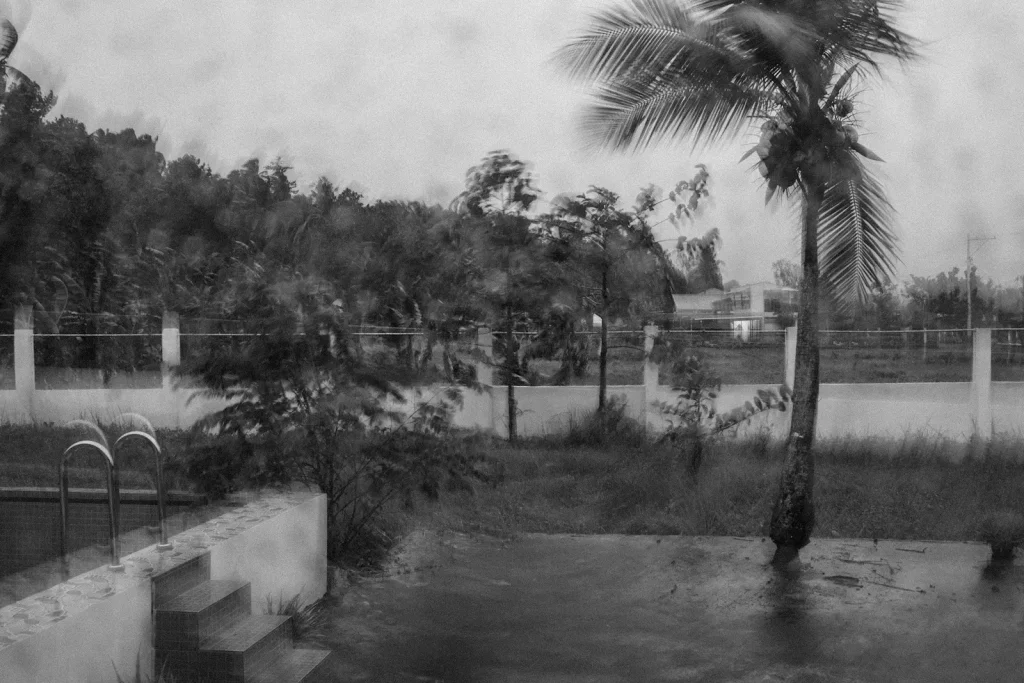
I’ve taken the camera out during a typhoon in the Philippines and photographed the aftermath the following day. Since moving back to Scotland, the Z8 has been out with me in wind-driven rain, sleet, freezing temperatures, and generally miserable Highland weather conditions.
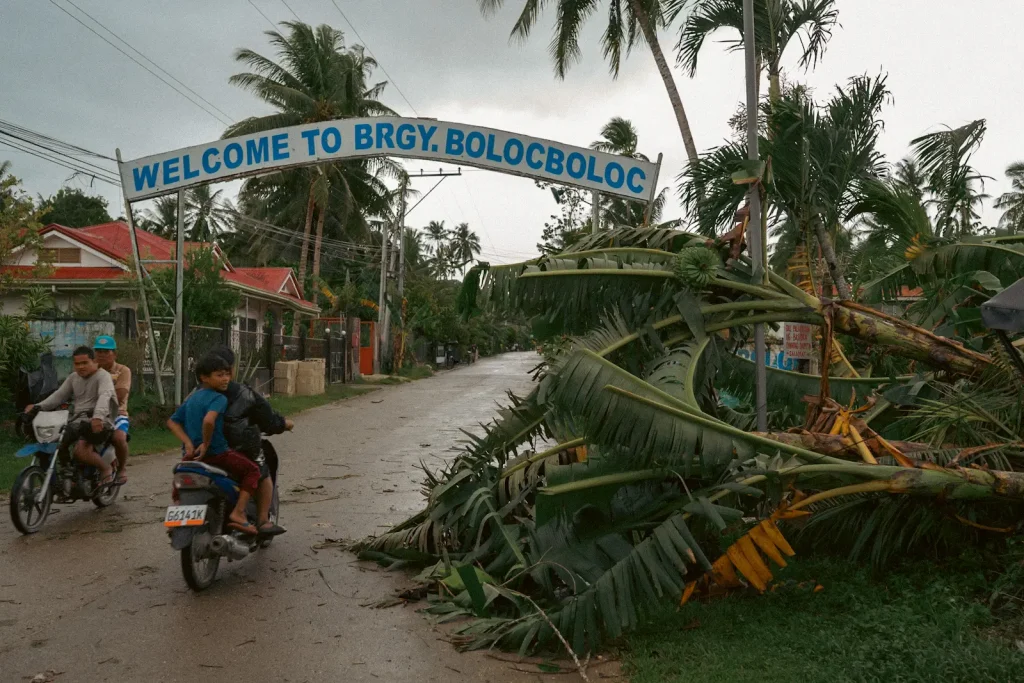
It has never so much as batted an eyelid.
The camera feels solid, dependable, and reliable regardless of the weather. It genuinely feels like a professional tool designed to be used properly outdoors rather than babied.
Since consolidating my gear and choosing the Z8 as my primary camera, I’ve continued taking it out, whatever the weather. It’s dealt with wind, rain, dust, and being sat down in the grass and dirt while. This winter I’ll be taking out in the Scottish winter and again, I have no concerns about doing so. It’s rated to work down to -10c but more importantly than that is the fact that combined with the larger size and great ergonomics, it actually handles well when your hands are freezing cold, which brings me on to the next section.
The body finish is of a high quality and shows no wear or signs of use even after being used heavily, particularly in the last 6 months. I look after my gear but I don’t baby it. It can be hanging off a peak design capture clip in the rain one minute, placed on wet and muddy grass the next and it still looks in great condition.
Controls & Button Layout

The body itself features just about every ergonomic nicety you could reasonably want from a professional camera body.
There’s a relatively large top LCD screen which can be illuminated by flicking the power switch to its furthest position. Direct buttons for exposure compensation, ISO, and video recording sit conveniently behind the shutter button, while the photo/video selector dial is placed logically and easy to operate.
The AF-ON button sits exactly where my thumb naturally rests, and the AF joystick is responsive and well positioned. Both the front and rear command dials offer the right amount of damping and protrude enough from the body to remain easy to operate while wearing gloves.
The overall control layout simply works.
Everything feels designed around allowing photographers to work quickly and efficiently with minimal fuss or adjustment period.
Nikon also continues to use my preferred power switch design, wrapping the on/off switch around the shutter button. This allows you to turn the camera on one-handed while raising it to your eye.
On the rear of the camera, Nikon includes a quick-access button for the “i” menu, a four-way controller surrounding the OK button, playback controls, zoom buttons, and a dedicated menu button.
Nikon has also retained the familiar hard-formatting shortcut from cameras like the D850 by pressing the delete and video record buttons simultaneously.
On the front of the camera, to the right of the lens mount, there are two additional function buttons alongside a dedicated AF button positioned on the lower left corner of the body. This allows you to quickly change focus modes and AF-area settings without diving into menus — something notably missing from the Z6III.
The control layout is rounded out by Nikon’s traditional professional controls on the top left of the camera, including dedicated buttons for:
- Bracketing
- White Balance
- Shooting Mode
- Drive Mode
I’m not personally a huge fan of Nikon’s left-side control binnacle design, but that’s entirely subjective and it works exactly as Nikon users would expect.
Rear Screen & EVF
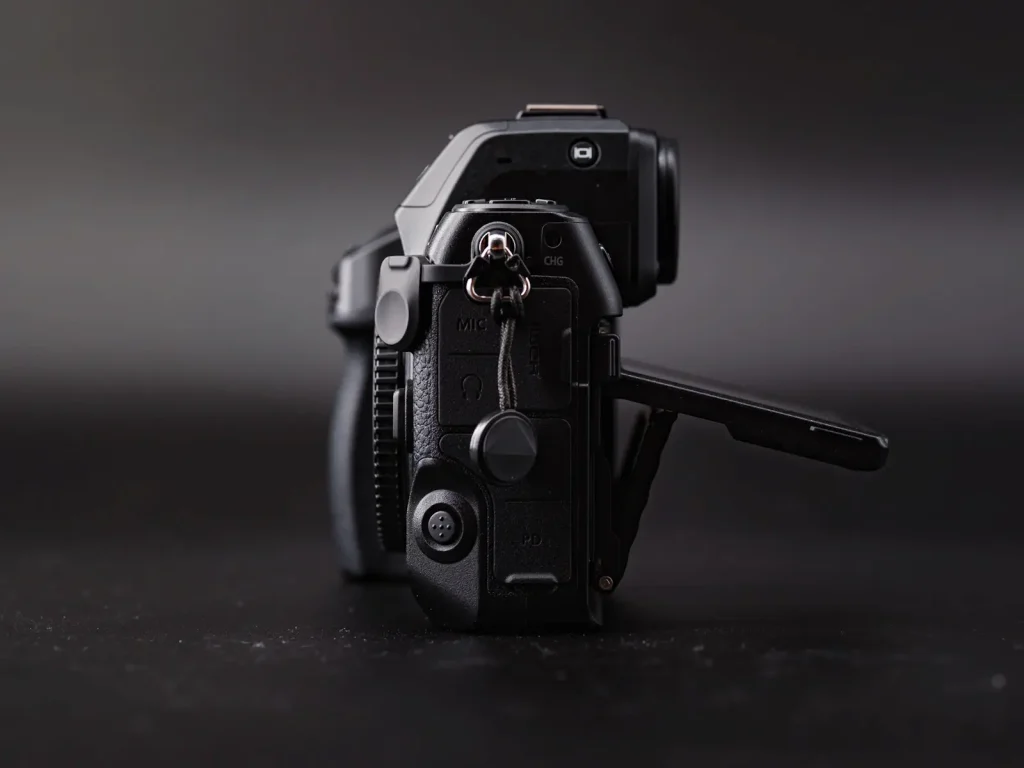
The rear LCD uses a hinged three-way tilt design, which remains my preferred screen implementation for photography.

It allows the screen to tilt up and down in landscape orientation while also being usable when shooting vertically. It’s a far more photography-focused solution than a fully articulating selfie-style screen.
The screen itself is bright, sharp, and perfectly usable outdoors, but as someone who primarily shoots through the EVF, I’m much more interested in how the electronic viewfinder performs.
On paper, the Z8’s 3.69-million-dot EVF perhaps looks a little underwhelming compared to some newer Sony bodies and other recent competitors.
In real-world use though — particularly for wildlife photography — it’s excellent.
The blackout-free shooting experience makes tracking moving subjects feel natural and uninterrupted, and I’ve never felt limited by the EVF while photographing wildlife or birds in flight.
Card Slots, Ports & Battery

The Z8 uses dual card slots:
- one CFexpress Type B slot
- one UHS-II SD card slot
The CFexpress slot enables the camera’s higher burst rates and more demanding video codecs, though CFexpress cards are still notably more expensive than SD cards.
In terms of connectivity, the Z8 includes:
- a full-sized HDMI port
- dual USB-C ports
- microphone input
- headphone output
which is exactly what you’d expect from such a capable hybrid camera.
Pleasingly, Nikon also uses the same EN-EL15C batteries found in my other Nikon Z cameras, meaning I can share batteries between multiple bodies without needing to invest in an entirely separate battery ecosystem. if I’m shooting purely photography then the battery lasts the best part of a day. If I am shooting video clips alongside photography then I’d need two batteries for a days shooting.
Real-World Handling

Once you move beyond the specifications and actually start using the Z8 in the field, everything about the camera simply feels refined and well thought through.
The buttons are nicely damped, protrude enough to be easy to use while wearing gloves, and provide satisfying tactile feedback that allows you to operate the camera quickly without constantly checking settings visually.
The top LCD is large enough to clearly display important shooting information at a glance, and illuminating it quickly one-handed via the power switch is genuinely useful in darker conditions.
The way I’ve configured my own Z8 — particularly for wildlife photography — means I rarely need to enter the menu system at all because I’ve mapped virtually all of the key functions I regularly use to physical buttons. If you want to set up your Z8 exactly the same as mine then I’ve written a full artilce detailing the best settings for the Nikon Z8 for wildlife photography.
There’s a lot of detail here because the Z8 deserves detail, but ultimately the important thing is this:
If you’re used to using Nikon’s professional DSLR cameras, the Z8 will feel immediately familiar.
It feels like a camera designed to work in the fastest, simplest, and most efficient way possible.
It’s a camera built to get the job done.
And if I’m honest, I take a certain kind of pleasure from using a tool that simply lets you concentrate on photography rather than fighting the camera itself.
Autofocus Performance
I’ve shot with DSLR cameras and a huge range of mirrorless systems dating all the way back to cameras like the Panasonic G3 and the original OM-D E-M5, through to more recent bodies such as the Canon R5, Sony A7IV, Nikon Z7II, and Nikon Z6III.
When I first used the Nikon Z8, the autofocus performance immediately felt very similar to the Z6III — which is already an excellent thing — but with one important difference.
It felt stickier.
Once the camera locked onto a subject, it simply seemed more determined to stay locked on.
Compared to my old Z7II, everything has effectively been turned up a level or two.
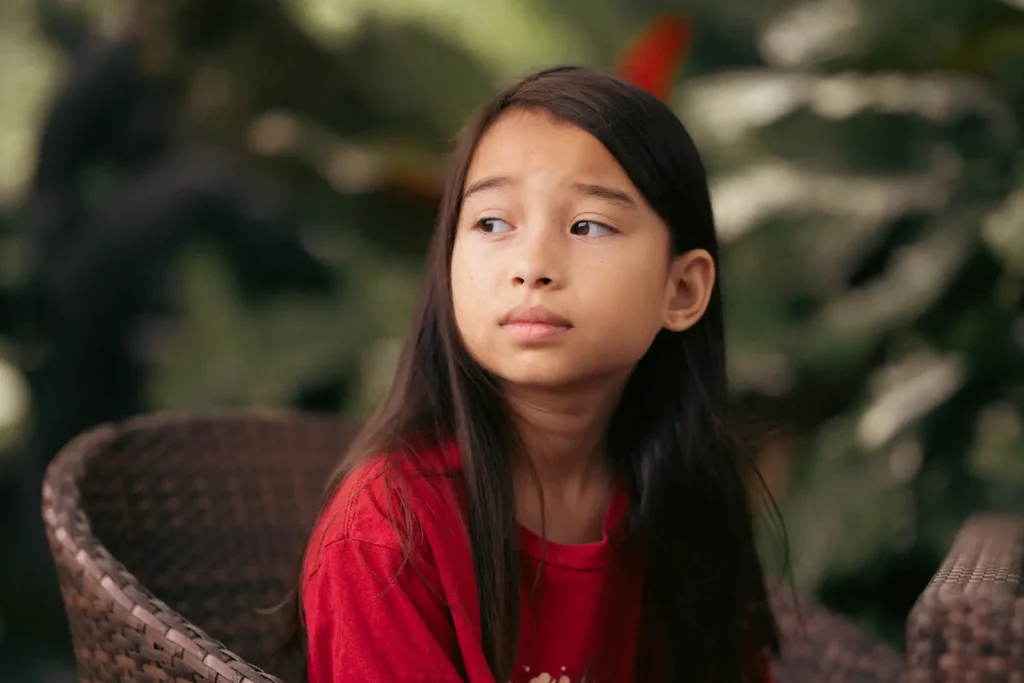
Face and eye detection works at greater distances, picks up subjects faster, and remains locked onto faces even when they become smaller in the frame, move erratically, or turn at more awkward angles.
3D Tracking

When I was in the Philippines I used 3D tracking as my default mode. it’s fast enough for all general subjects.
One of the biggest additions on the Z8 compared to cameras like the Z7II is Nikon’s 3D Tracking system.
This makes focusing incredibly easy for general photography.
You simply place the focus point over your subject, half-press the shutter button, and then freely recompose while the camera continues tracking the subject around the frame.
For general photography and people photography, it’s incredibly effective and intuitive. It also works alongside face and eye detection, making it an excellent default focusing mode for travel and everyday shooting.
When I was still living in the Philippines and primarily photographing travel scenes and people, 3D Tracking became my default autofocus mode because it was so reliable and simple to use.
Wildlife Autofocus

As I’ve spent more time back in Scotland photographing wildlife though, I’ve found that taking the time to properly configure the autofocus system is absolutely worth it.
For wildlife photography, I now primarily use Wide-Area AF (L) combined with one of Nikon’s subject detection modes — usually Bird or Animal detection in my case, though Nikon also includes Auto, Vehicle, and Aircraft subject detection modes.

Using Wide-Area AF gives the camera the best chance of initially acquiring the intended subject before subject detection takes over.
I then use custom buttons to quickly switch to larger focus areas once the camera has locked onto the subject, which I’ve found gives the best overall balance of acquisition speed and tracking reliability for wildlife work.
Using this setup, the Z8 is close to flawless with animals when the background is relatively clean.

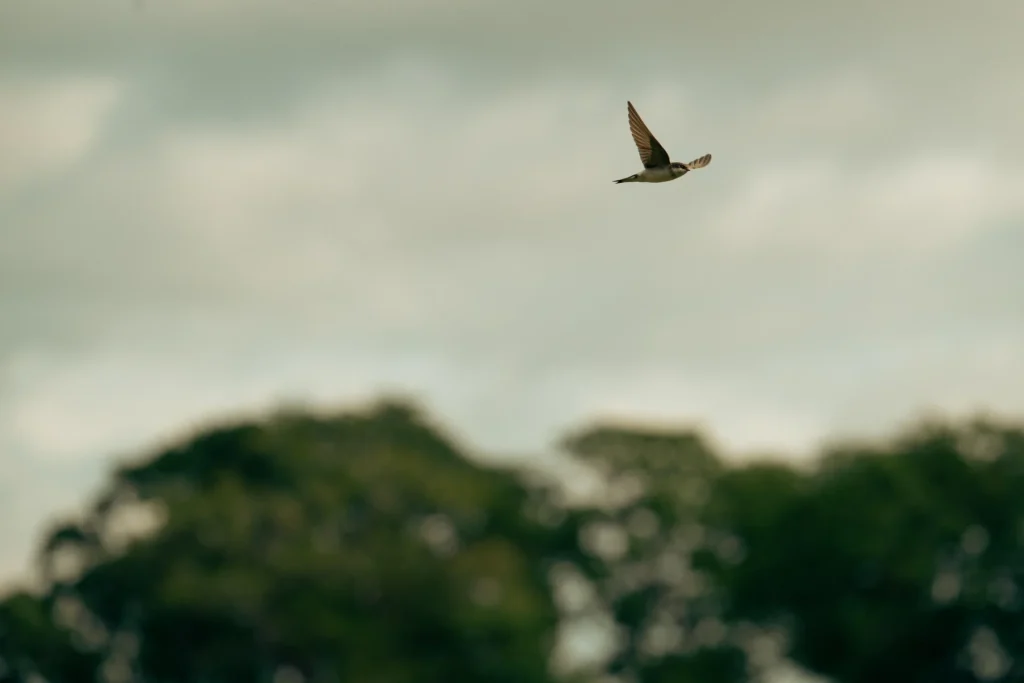
With birds in flight against clearer skies, the Z8 delivers the highest hit rate I’ve personally ever experienced from a camera system. Assuming I do my part correctly, the number of critically sharp keepers is incredibly high. I’ve written a full article showing exactly how to set up the Nikon Z8 for wildlife photography.
Photographing Swallows in Flight with the Nikon Z8 and 180-600mm
Using the Nikon Z8 and 14-30mm f/4 for Landscape Photography in the Scottish Highlands
Best Nikon Z8 Settings for Wildlife Photography
A Morning of Wildlife Photography with the Nikon Z8 and 180-600mm
Best Nikon Z8 Accessories
Where the Z8 Autofocus Struggles
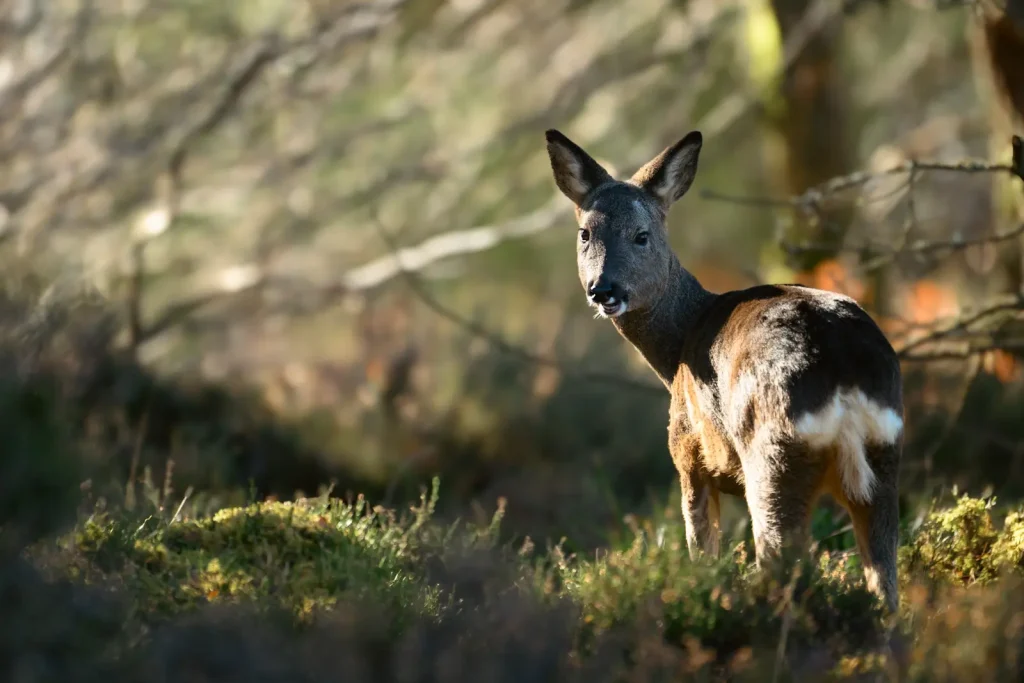
The areas where I’ve noticed the autofocus system become less reliable are situations involving:
- heavily cluttered woodland backgrounds
- very small subjects in the frame
- birds flying rapidly towards or away from the camera
- erratic movement combined with initial focus point being far from subject
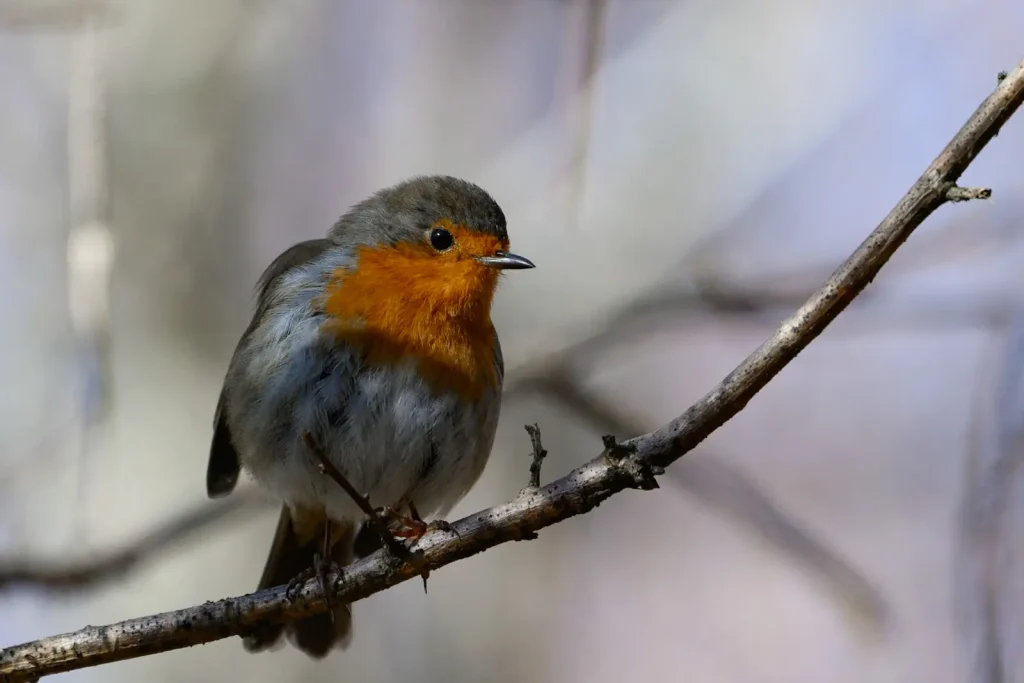
A Robin in my local woodland. The Z8 easily locked on using bird detection but it also missed a few shots that day when I was in denser woodland.
For example, small birds weaving quickly through branches in woodland remain challenging — but honestly, that’s true of virtually every autofocus system I’ve ever used.
The great thing about the Z8 though is just how configurable the autofocus system is.
You can:
- use the focus limiter to improve acquisition speed
- adjust blocked shot response behaviour
- tune settings for erratic or steady subject movement
- customise focus-area switching behaviour
- create custom autofocus setups for different subjects
There’s an enormous amount of flexibility available once you spend time learning the system properly.
Lately, I’ve been practising extensively with swallows in flight, photographing them weaving rapidly around bushes and trees sometimes only a metre or two away from me.
The Z8 has handled these situations remarkably well.
In a recent outing, where I was primarily scouting for local wildlife locations, I encountered tens of Swallows, swifts and House Martins all feeding in a field. Using my usual settings I felt that I was all over the place trying to track the birds as they swopped, dived and rapidly changed direction and yet when I got home, I was genuinely surprised at how well the AF had performed. I had way more in focus shots than I expected given the eratic nature of the subjects and my feeling while shooting. it still struggled sometimes once the background became cluttered by woodland but my opinion is that it is really capable.
Reliability & Keeper Rate
The important thing about the Z8 autofocus system isn’t just that it’s fast.
It’s that it’s reliable.
Once I’d spent enough time tailoring it to my own shooting style, the autofocus system rarely felt like a limiting factor anymore.
If you do your part as a photographer, the Z8 autofocus system is among the best currently available.
More importantly, it’s good enough that it’s highly unlikely you’ll miss a once-in-a-lifetime shot because the autofocus system simply wasn’t capable enough.
Burst Shooting & Buffer Performance
The autofocus system is also backed up by extremely impressive shooting speeds.
The Z8 can shoot:
- up to 20fps in RAW
- up to 30fps in JPEG
Personally, I only shoot RAW on the Z8, but even at 20fps, the camera feels incredibly fast and responsive.
Combined with a deep buffer and fast CFexpress Type B cards, the camera clears the buffer quickly enough that it always feels ready for the next burst of action.
That’s especially important for wildlife photography where opportunities often happen in short bursts and unpredictably.
Pre-Release Capture
The Z8 also includes Nikon’s pre-release capture mode.
This constantly records frames into a temporary loop while you half-press the shutter button, before permanently saving frames once you fully press the shutter.
In practice, this allows you to capture up to one second of action before you fully press the shutter button.
It’s an incredibly useful feature for wildlife photography and fast action. it’s not something that I’ve really used that much but last week wehn I was scouting a local rive for the Salmon run, I decided it would be incredibly useful for catching the fish leaping up the falls. I’ll be heading back there soon (as I the Salmon weren’t running the river that morning) and will absolutely be putting pre-capture to the test.
However, unlike the OM System implementation of this feature on cameras like the OM-1 Mark II, Nikon currently limits pre-release capture to JPEG shooting only.
Having previously used this feature extensively on the OM-1, I know just how useful it can be in real-world situations, so I’d love to eventually see Nikon enable RAW support for pre-release capture via firmware update or on the Z8II.
Electronic Shutter & Sensor Protection
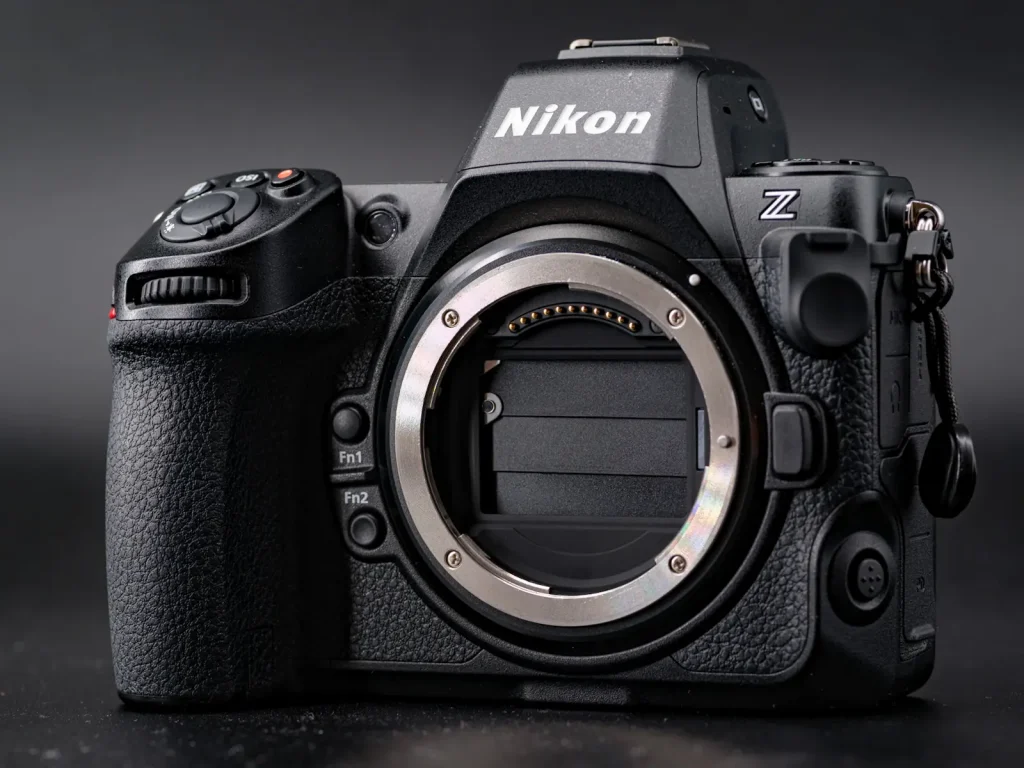
All of this speed is possible thanks to the Z8’s stacked 45.7MP sensor and one particularly important design choice:
The Z8 has no mechanical shutter at all.
Everything is handled electronically.
Normally, professional cameras are given expected shutter lifespans based on how many physical actuations the shutter mechanism is expected to survive.
With the Z8, that concern effectively disappears.
The lack of a mechanical shutter also contributes to the camera’s speed and blackout-free shooting experience.
One of the biggest concerns many photographers have when they hear that the Nikon Z8 only uses an electronic shutter is whether images and video show any warping or rolling shutter effect. In practice though, thanks to the extremely fast readout speed (1/270) of the stacked sensor, it’s something I’ve never encountered in real-world use.

Even photographing fast moving wildlife, birds in flight, or quickly panning while tracking subjects, I’ve yet to notice any rolling shutter issues in my own shooting. Compared to older electronic shutter implementations, the Z8 feels incredibly natural and responsive to shoot with, to the point where after a while you simply stop thinking about the fact that it doesn’t have a mechanical shutter at all, well, except the rather meek fake shutter sounds that you can choose are not really befitting of a camera of this level.
One smaller feature that I’ve particularly appreciated is Nikon’s built-in sensor shield.
When the camera powers off, a protective shield can automatically cover the sensor, helping protect it from dust and debris during lens changes — particularly useful when working outdoors in difficult conditions.
Oddly, Nikon ships this feature disabled by default, so it’s worth enabling it when you first set up the camera.
Image Quality

If you look at an image from the Nikon Z8 at full-screen view next to one from the Z6III — or indeed most other modern full-frame cameras — the results initially look fairly similar.
In other words, they look like what we’ve come to expect from high-end modern full-frame cameras:
- clean
- detailed
- high dynamic range
- natural looking
- realistic
The files have a very true-to-life look to them.

Where you really begin to appreciate the image quality from the Z8’s 45.7MP full-frame sensor is when you start pushing the files harder or shooting in ways that take advantage of what the camera is capable of.
ISO 64 & Tonality
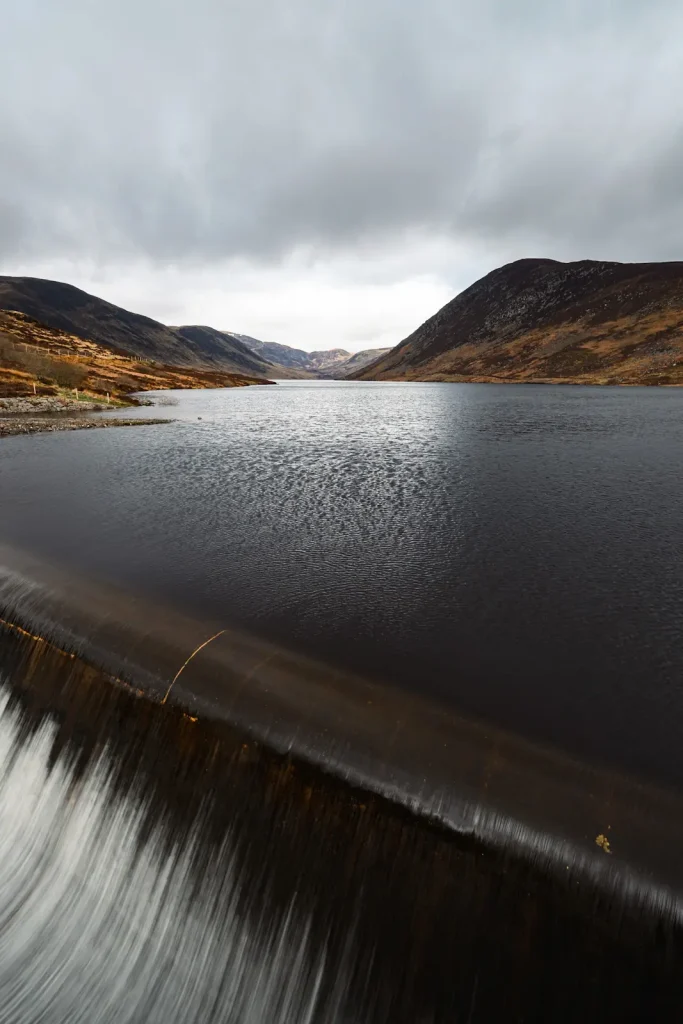
One of the things that immediately sets the Z8 apart from most other full-frame cameras is Nikon’s use of a native ISO 64 base ISO.
To my knowledge, there are very few full-frame cameras that offer this, and it does make a difference.

At ISO 64, the files coming out of the Z8 are incredibly clean and rich in tonality. It also allows you to use slightly slower shutter speeds in brighter conditions for things like moving water without always needing to immediately reach for ND filters.
More importantly though, ISO 64 helps bring the Z8’s image quality closer to my Fuji GFX100S than any other full-frame camera I’ve used.
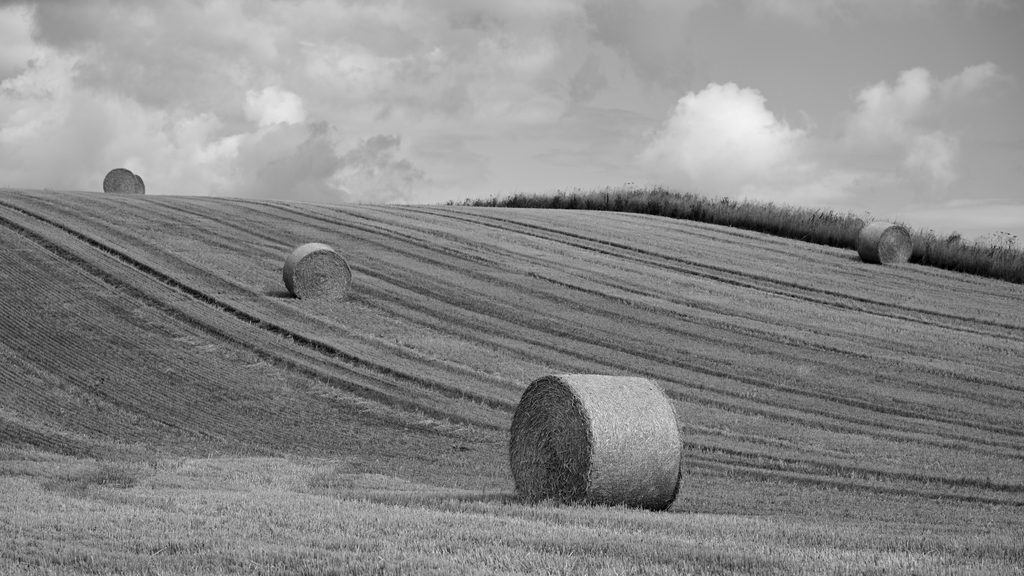
One of the factors in deciding to choose the Z8 as my primary camera system was the image quality that it produces. I now shoot mainly in black and white for various reasons and the files are great to work with, cleanly separating tones , offering deep blacks and allowing me to shoot to protect highlights and still be able to raise the blacks and shadows cleanly in post. The straight out of camera black and white profiles for Nikon Z cameras are also excellent. they feel organic, offering just the right amount of contrast with deep rich blacks without introducing the heavy handed kind of contrast that looks too digital.
Resolution & DX Crop Flexibility
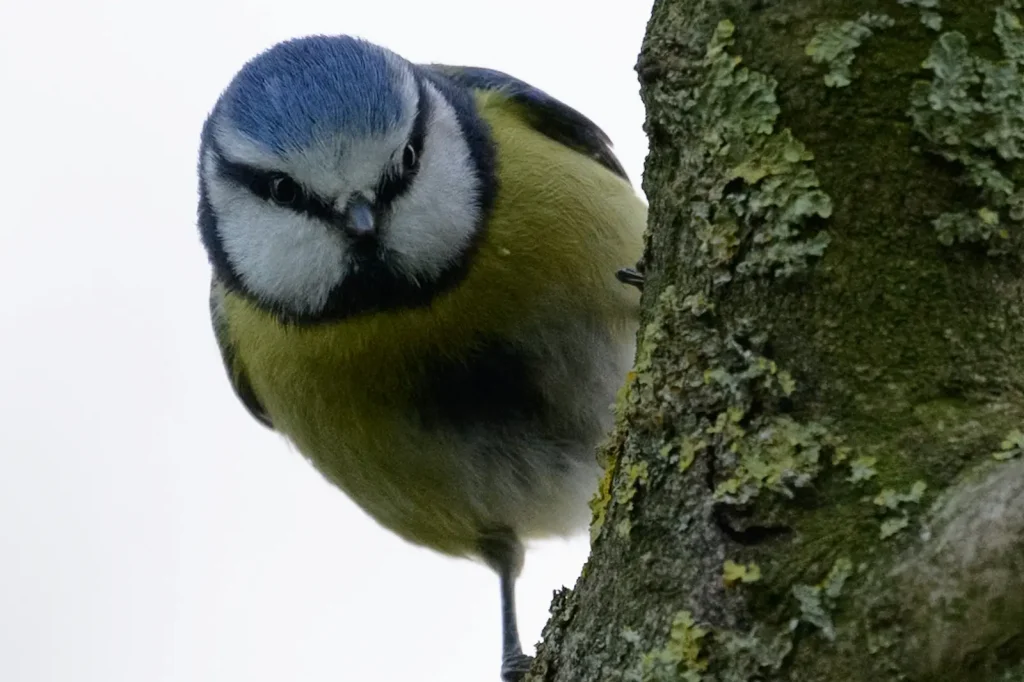
The other thing that makes the Z8 stand out is the way it combines this level of image quality and tonality with such a high-resolution sensor.
For wildlife photography in particular, the 45MP sensor makes Nikon’s DX crop mode genuinely useful because it still leaves you with approximately 20MP files.
In practical terms, this effectively gives you two usable focal lengths from every lens you own.

That flexibility becomes incredibly valuable for wildlife photography here in Scotland where subjects are often distant, unpredictable, or difficult to approach.
Dynamic Range
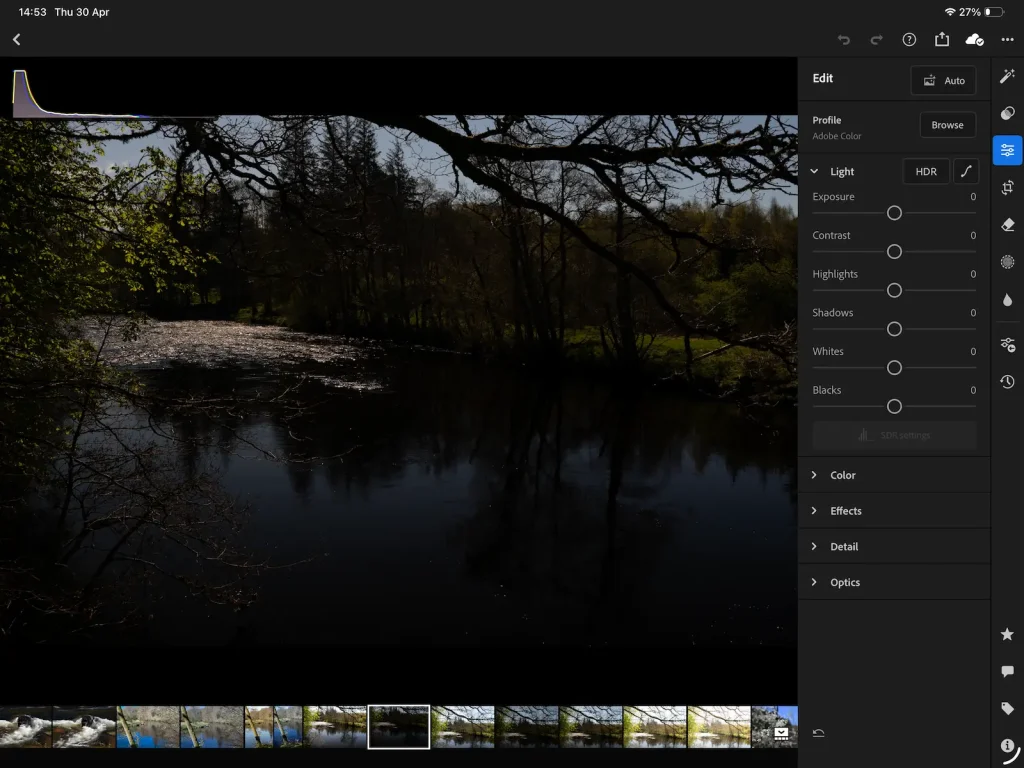
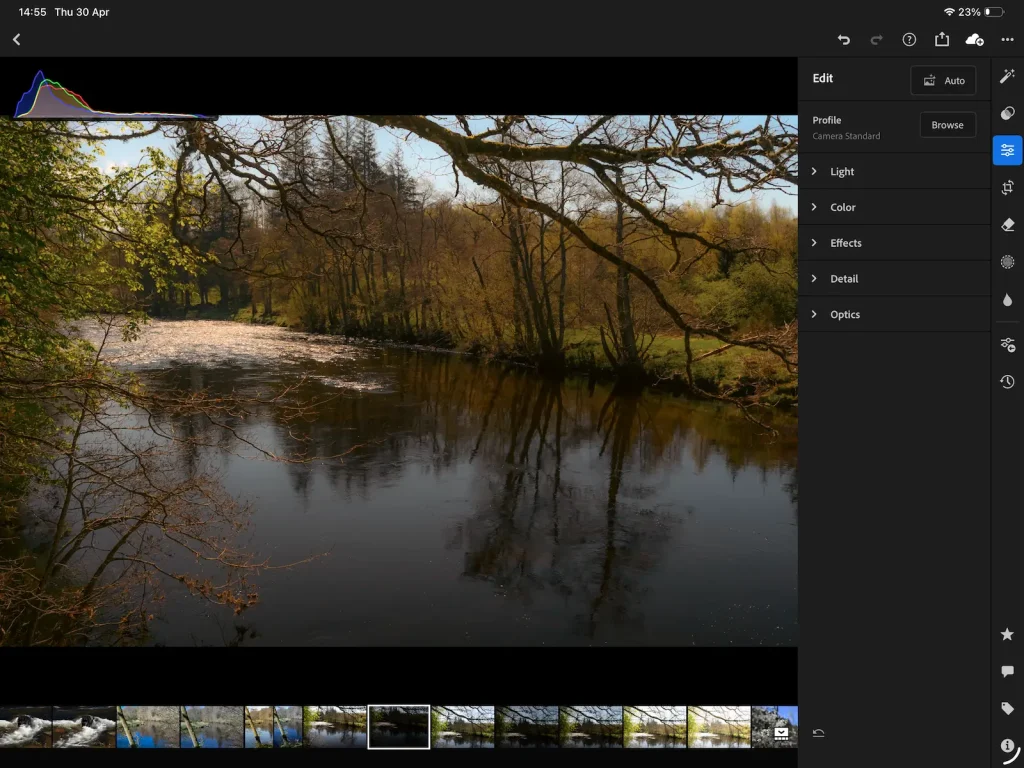
The dynamic range from the Z8 is excellent, particularly at ISO 64.
The files offer plenty of flexibility when recovering shadows while still retaining highlight detail, which is particularly useful for landscape photography in difficult Scottish lighting conditions where bright skies and dark foregrounds are often unavoidable.
I’ve heard people say that the Z7II sensor performs slightly better in this area on paper, but having owned and shot extensively with both cameras, any difference in real-world shooting is so small that I personally don’t notice it outside of controlled comparisons.
For practical landscape photography, the Z8 is more than capable of producing professional-quality files suitable for large prints.
High ISO Performance
The only area where I consistently notice a meaningful image quality difference between the Z8 and my Z6III is at higher ISO levels.
At ISO 6400 and above, the native files from the Z6III generally look a little cleaner thanks to its lower-resolution 24MP sensor.
However, there’s an important caveat to that.
Once you downsample the Z8 files to match the Z6III’s resolution, the difference becomes surprisingly small.
I’ve shot wildlife at:
- ISO 6400
- ISO 10,000
- ISO 12,800
when necessary to maintain fast shutter speeds, and the Z8 handles those situations remarkably well.
Once you also factor in modern noise reduction software, the results can be genuinely impressive.
Colour & Rendering
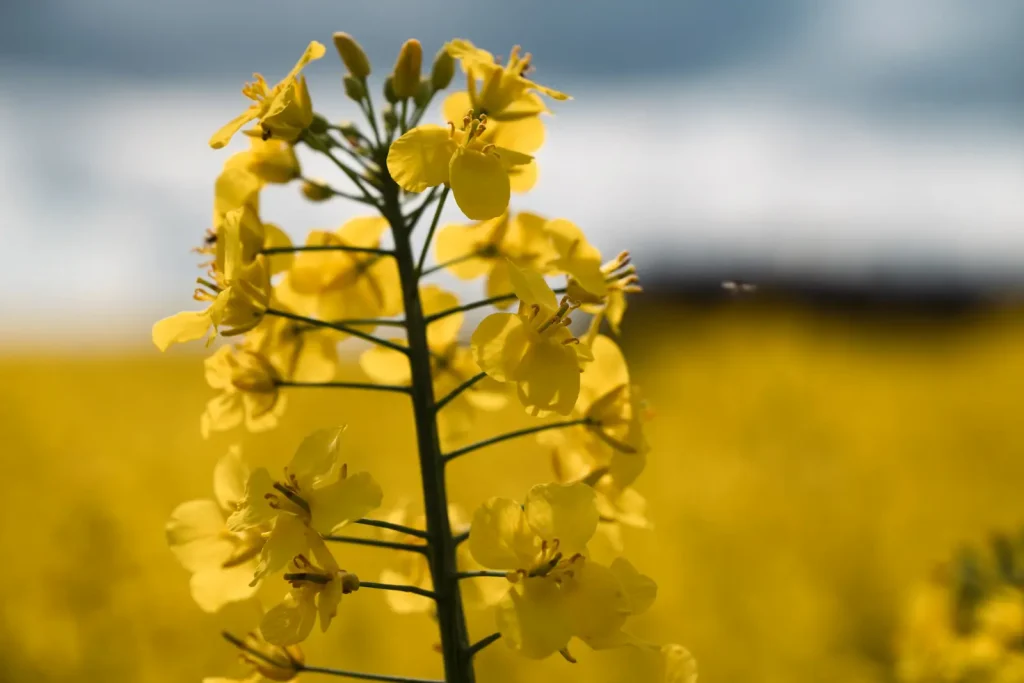
The colours coming from the Nikon Z8 strike a really nice balance between:
- realistic
- natural
- slightly punchy
They don’t quite have the nostalgic character that Fujifilm cameras can sometimes produce, but they still look excellent.
In particular, I find Nikon colours exceptionally good for landscape photography.
Greens in particular tend to look natural and believable without becoming overly saturated, while tonal transitions in landscapes appear smooth and realistic.
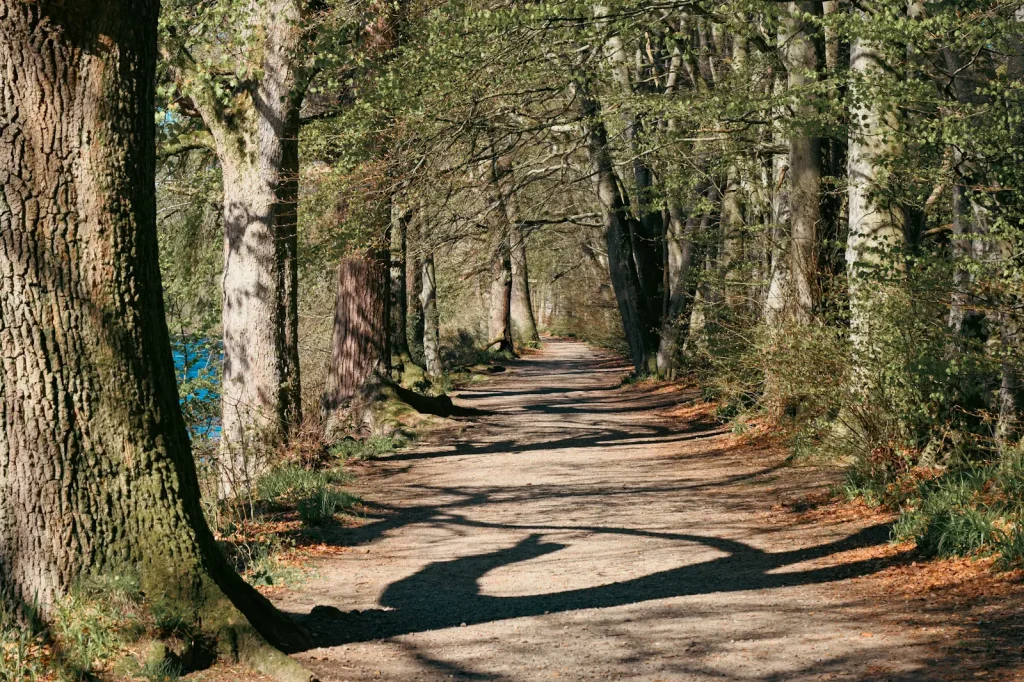
Skin tones also look more natural to my eye compared to many APS-C systems I’ve used.
In post processing, the files are extremely easy to work with.
They feel:
- malleable
- robust
- flexible
which makes it easy to push the files towards the exact look you want without them falling apart.
Compared to APS-C & Wildlife Detail
I’ve shot with some exceptional Fujifilm APS-C cameras and lenses over the years, but when viewed side by side, the difference in detail and realism from the Z8 is noticeable.
Skin tones look more lifelike, tonal transitions feel smoother, and higher ISO files hold together better during editing.
For wildlife photography in particular, the Z8 produces the kind of feather detail that I used to dream about capturing years ago when I imagined getting properly into wildlife photography.
Even paired with lenses like the excellent value Nikon Z 180-600mm, feather detail remains well defined, while noise at higher ISO levels doesn’t immediately turn fine detail into mush.
Once you pair the Z8 with Nikon’s telephoto prime lenses, the level of detail becomes genuinely impressive.
The combination of the speed, resolution and high ISO performance that ultimately lead me to keep the Z8 as my main camera because in Scottish light, and particularly when shooting wildlife, it’s often the early and later parts of the day when you need to be out shooting. Last week I found myself at a river, waiting for wagtails to land on rocks strewn across the river. To keep my shutter speed at an acceptable 1/2000 meant rasing the ISO to 12,800. Not ideal but on the Z8 perfectly usable which meant that a varible aperture zoom like the 180-600mm could do the job. I returned the next day with the Nikon Z 400mm f/4.5 prime which helped to keep the ISO down. it’s that kind of flexibility both with the camera and the way that Nikon hs built out the Z lens lineup that I really value.
Z8 vs GFX100S
Is the image quality from the Nikon Z8 as good as my Fuji GFX100S?
No.
Medium format still retains advantages in:
- tonal depth
- rendering
- overall file richness
particularly when viewed critically side by side.
But is the Z8 close enough that its other advantages — such as autofocus speed, ergonomics, versatility, lens selection, and price — can outweigh the differences?
Absolutely.
And for many photographers, that balance may make far more sense overall.
I owned the GFX100S but in the end, the performance of the Z8 for landscapes is more than enough for me to work towards building my projects, knowing that it’s more than capable of producing exceptional, large prints. I sold the GFX system last month.
Overall Image Quality Verdict
Overall, the Nikon Z8 offers one of the best combinations of image quality, resolution, speed, and flexibility that I’ve ever used in a camera system.
It delivers enough image quality for serious professional landscape work while simultaneously offering the speed and responsiveness needed for wildlife photography — and very few cameras manage to balance both worlds this successfully.
Video Performance
I’m by no means a professional videographer beyond shooting and editing YouTube videos, but even so, the video specifications and capabilities of the Nikon Z8 are seriously impressive.
I have shot some wildlife footage on the Z8 and, despite previously going fairly deep into codecs, bit depth, and colour grading on other systems, I’ve deliberately kept things fairly simple so far with the Z8.
Most of my footage has been shot in:
- 10-bit 4K 30p
- 4K 60p
and the quality has genuinely impressed me. There is some footage straight out of the Nikon Z8 in the video below. Again, it was shot in 4k 10bit using the standard color profile, so this is the minimum quality you can expect. Update, I’ve now switched to shooting in the Neutral color profile for video as I find the standard profile has a bit too much contrast baked in to it which can result in blacks being crushed.
Before getting into my own experience though, let’s get the headline specifications out of the way because for dedicated video shooters, the Z8 is an extremely capable camera.
The Nikon Z8 offers:
- up to 4K 120p recording
- up to 8K 60p recording
- internal RAW video options
- a wide range of professional codecs
which firmly places it amongst the most capable hybrid cameras currently available.
IBIS & Handheld Video
One thing that particularly impressed me was the stabilisation performance while shooting handheld wildlife footage.
I shot video of deer handheld using the Nikon Z 180-600mm lens fully zoomed to 600mm, and the Z8’s IBIS handled it remarkably well considering the focal length involved.
That level of stabilisation performance from a high-resolution full-frame camera is genuinely impressive.
Video Quality
Rather than complicating things by immediately jumping into N-Log or RAW workflows, I actually shot most of my footage using Nikon’s standard in-camera colour profile.
Honestly, the footage looked superb.
Colours were vivid without looking over-processed, detail levels were excellent, and the footage retained a very natural look overall.
Even at standard 4K resolutions, the footage looks extremely detailed.
I haven’t yet personally tested 8K recording properly though, largely because my fastest CFexpress Type B card currently isn’t fast enough to reliably sustain it. As soon as I attempt recording 8K footage, the camera throws up an error message.
Realistically though, for my own workflow and storage setup, 8K simply isn’t something I currently need.
I can absolutely imagine the level of detail and cropping flexibility it offers, but between the storage demands and the cost of the CFexpress cards required to comfortably shoot large amounts of 8K footage, I don’t see myself heavily using it any time soon.
Video Autofocus
Autofocus performance during video recording was also excellent in my experience.
The camera acquired focus confidently and tracked subjects smoothly without obvious pulsing or distracting focus jumps that can easily ruin footage.
Again, I’m not approaching this review from the perspective of a dedicated filmmaker, but from the standpoint of someone who occasionally shoots serious video alongside photography, the Z8 feels exceptionally capable.
Overall Video Verdict
The Nikon Z8 is clearly one of the best hybrid cameras currently available. In my experience (bare in mind I’m in Scotland and I shoot clips rather than long takes) I haven’t come close to experiencing any overheating issues. I’ve had no corrupt files, and importantly, the standard 10bit footage using in camera profiles is easy to edit on my Ipad 13″ M4 pro in Davinci Resolve Studio.
Even though I personally use it primarily as a stills camera, it’s obvious that Nikon has created a camera capable of handling extremely demanding professional video workflows while still remaining an outstanding photography tool at the same time.
Who Should Buy the Nikon Z8?
As I said in the title of this review, the Nikon Z8 is the best camera I’ve ever used and, as you’ve probably gathered throughout this article, I’m incredibly impressed with it.
In fact, I genuinely believe it’s one of the best cameras for photography currently available and certainly the best Nikon Z camera for photography if you demand the best.
Does that mean everyone should rush out and buy one?
Not necessarily.
Although if you do, I genuinely struggle to imagine you being disappointed with it.
Outdoors Photographers

There’s another type of photographer that I think the Nikon Z8 suits perfectly — and it’s the category I’d personally place myself in.
Outdoors photographers.
By that, I mean photographers who don’t exclusively shoot one subject.
We might photograph:
- landscapes
- wildlife
- family adventures
- travel
- documentary-style moments outdoors
sometimes all within the same week, or even the same day.
For me personally, the Z8 absolutely excels here.
I want to shoot landscapes to a very high level, but I also want to photograph wildlife to an equally high standard. Then I want to go for walks with my daughters in nature and still have a camera capable of capturing and preserving those moments properly.
I may not always carry a tripod anymore.
I may not spend every evening waiting for perfect golden-hour light like I once did during my landscape photography years.
But when I do press the shutter button, I still want to create photographs that stand up to my own personal standards and scrutiny.
That’s where the Nikon Z8 really shines.
It gives you:
- outstanding image quality
- professional-level autofocus
- superb ergonomics
- speed
- reliability
- flexibility
all in one body.
In many ways, the Z8 feels like a camera for photographers who want their cake and to eat it too.
And remarkably, Nikon has somehow managed to make that work without the camera feeling heavily compromised in any one area.
Landscape Photographers
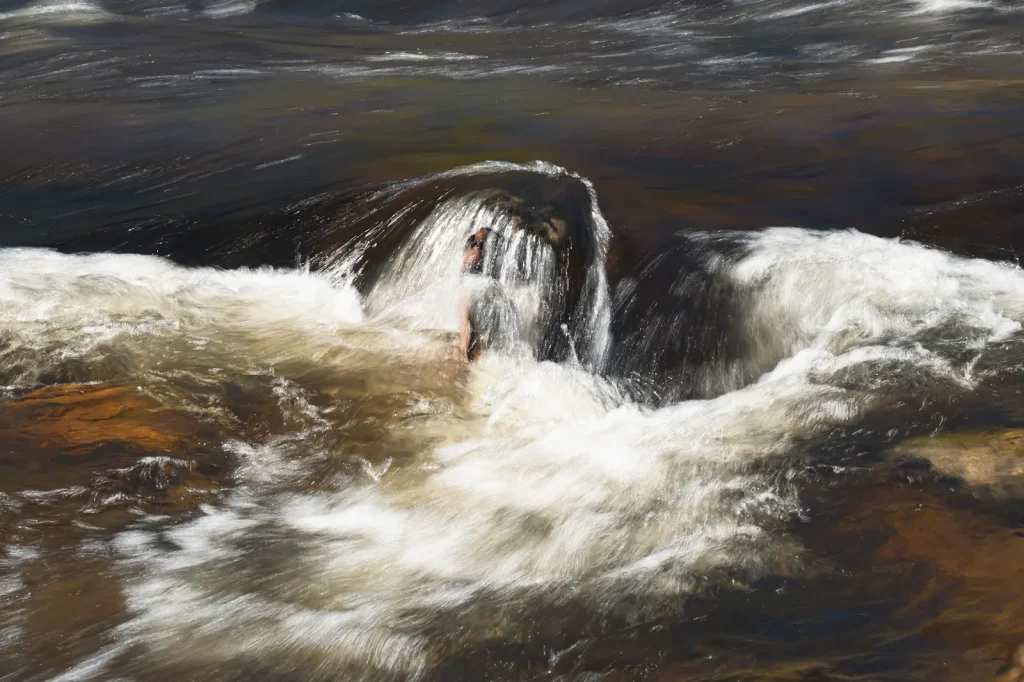
I think the Z8 makes enormous sense for landscape photographers who want:
- full-frame image quality
- a high-resolution sensor
- excellent ergonomics
- professional reliability
The combination of the 45MP sensor, ISO 64, excellent dynamic range, weather sealing, and Nikon’s superb Z lens lineup makes it an incredibly capable landscape photography tool.
What really elevates the Z8 though is that it combines all of that image quality with speed and versatility.
Unlike many traditional high-resolution landscape cameras, the Z8 never feels limited to just one genre of photography.
Will it produce better landscape images than the Nikon Z7II?
Honestly, no — not purely in terms of landscape image quality.
But the overall shooting experience is on a completely different level.
The Z8:
- feels better built
- handles better outdoors
- inspires more confidence in difficult weather
- operates faster
- focuses more confidently
It’s slightly heavier than the Z7II, but in real-world use, I think the trade-off is absolutely worth it.
Wildlife Photographers
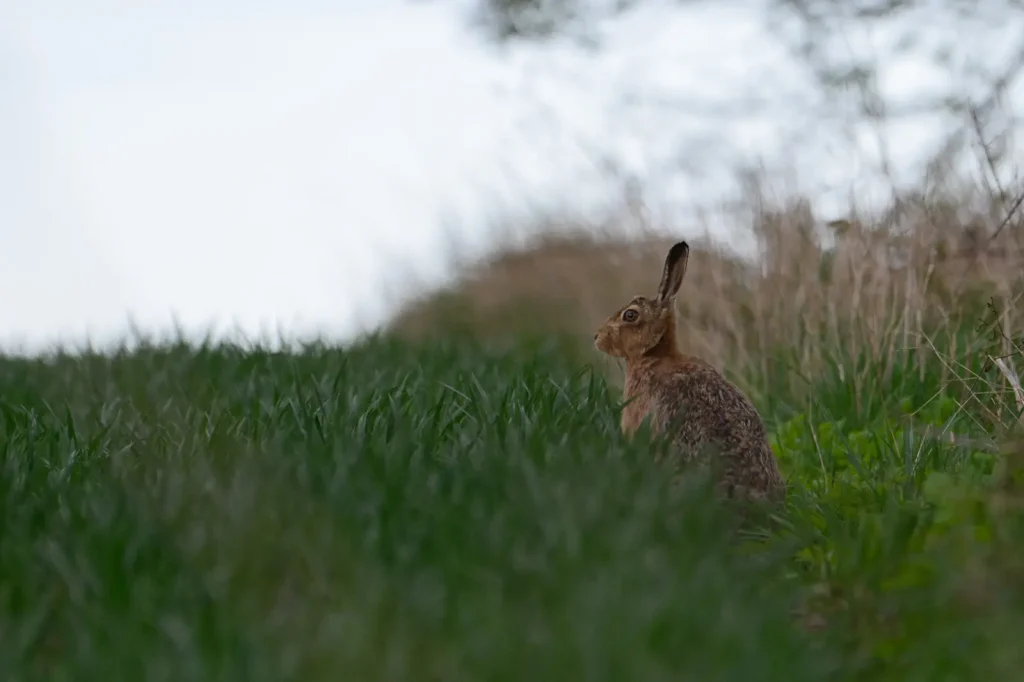
Wildlife photographers — particularly those coming from Nikon DSLR cameras such as the D850 or D500 — will almost certainly love the Z8.
The body retains enough familiarity with Nikon’s DSLR ergonomics that it immediately feels comfortable to use, while the autofocus performance, speed, subject detection, and overall feature set are now operating at a completely different level compared to those older DSLR systems.
The Nikon Z lens ecosystem is also now mature enough that there’s almost certainly an excellent lens option available regardless of what wildlife you photograph.
Combined with:
- the usable DX crop mode
- excellent autofocus
- strong burst performance
- reliable weather sealing
the Z8 feels purpose-built for serious wildlife photography.
Documentary & Professional Use

For documentary photographers or professionals who need a fast, rugged, highly reactive camera body capable of covering almost any subject, the Z8 makes a huge amount of sense.
Its greatest strength is versatility.
This is a camera that feels capable of handling:
- landscapes
- wildlife
- documentary work
- travel photography
- portraiture
- video
without feeling like it’s significantly compromised in any one area.
It’s the kind of camera that gives you confidence that you’ll get the shot regardless of the environment or subject but if you don’t need the resolution then the Z6III and even the Zf are definitely worth consideration too.
Nikon Z8
The Nikon Z8 combines flagship-level autofocus, superb ergonomics, exceptional image quality, and incredible versatility in one professional-level camera body.
Check Latest PriceWho Should Avoid the Nikon Z8?
In my opinion, the Z8 is one of those rare cameras that very few people would genuinely regret buying.
That said, there are definitely photographers who would be better served elsewhere.
For photographers who:
- want full-frame image quality
- love Nikon ergonomics
- want access to the Nikon Z lens system
- but don’t need a 45MP sensor
the Nikon Z6III makes a huge amount of sense.
The Z6III captures a lot of what makes the Z8 so good:
- excellent autofocus
- fantastic ergonomics
- strong video capabilities
- excellent handling
while being:
- smaller
- lighter
- cheaper
And importantly, if you’ve never used the Z8, the Z6III still feels like an outstanding camera in its own right. I compared the Z8 vs Z6III in this article, if you want to see more details.
However, as someone who owns and regularly uses both cameras, if I personally had to choose only one body for my photography here in Scotland, I would choose the Z8 every single time.
Especially now that, in 2026, I genuinely think the Z8 represents incredible value for what it offers.
Z8 vs GFX
For photographers considering whether to stay with full frame or move into Fujifilm’s GFX medium format system, i’d say this: If image quality is absolutely the primary goal, the GFX still wins. It has more detail, even better tonality and equally sharp lenses but the price of entry is significantly more and as an overall camera, it isn’t as well balanced.
But honestly, neither system is likely to leave you disappointed.
They simply prioritise different strengths.
Verdict
Over the last few years, I’ve generally gravitated towards cameras that made me feel something when I used them.
Whether that was:
- retro-inspired designs
- film-like rendering
- smaller bodies
- or cameras that suited my prime-lens-focused way of shooting travel photography and everyday life
I’d slowly moved away from the larger, more utilitarian “just get the job done” cameras that traditionally dominated the higher-end professional market.
I’d also increasingly come to believe that once a camera reaches a certain level, it’s already good enough and that almost any modern camera can produce excellent images in the right hands.
Then I bought the Nikon Z8 and my focus has changed in recent months after all the turbulence in my private life. I’ve now realised that ultimately, I want to work on projects, documenting perthshire and Scotland and I needed a camera and system that I could consolidate on with as few compromises as possible. Part of that change is the realisation that my income may not be what it once was and so I needed to seriously evalutate which camera would do what I needed. I’ve forfeited the luxury of having multiple cameras for each specific genre in order to gain the ability to pursue a creative life.
And honestly, it changed my perspective a little.
The Z8 reminded me that the result is just as important as the shooting experience, and that there’s a certain appeal in using a tool that simply gets out of your way and works.
There’s a confidence that comes from knowing that with this camera in your hands, you can photograph virtually anything you encounter.
You can spend the morning photographing wildlife, shoot landscapes in beautiful evening light later that day, and then come home and photograph your family — and throughout all of it, the Z8 simply delivers.
If you do your part as the photographer, the camera is almost never the limiting factor.
There’s a real appeal in not having to compromise.
In knowing that regardless of the conditions, subject, or environment, you brought the right camera with you.
That’s exactly how I remember cameras like the Nikon D850 feeling during the DSLR era.
They simply got the job done:
- no fuss
- no nonsense
- everything exactly where it should be
The Nikon Z8 recaptures that feeling better than any mirrorless camera I’ve personally used.
And ultimately, that’s why the Nikon Z8 is the best camera I’ve ever used.
If someone told me tomorrow that the Nikon Z8 was the only camera I could use for the rest of my life, I’d be a happy photographer. Any improvements from here on out are just the cherry on top of an already delicious cake.
That’s how good it is.
Nikon Z8 FAQ
Is the Nikon Z8 still worth buying in 2026?
Yes, the Nikon Z8 is absolutely still worth buying in 2026, especially if you shoot a mixture of landscape, wildlife, travel, family, or professional photography. It still offers one of the best combinations of autofocus, speed, resolution, image quality, handling, and lens support of any camera I’ve used.
Is the Nikon Z8 good for wildlife photography?
The Nikon Z8 is excellent for wildlife photography. The 45MP sensor gives plenty of cropping flexibility, DX crop mode still produces roughly 20MP files, and the autofocus system is fast, sticky, and highly configurable. Paired with lenses like the Nikon Z 180-600mm, 400mm f/4.5, or 800mm f/6.3, it is a seriously capable wildlife camera.
Is the Nikon Z8 good for landscape photography?
Yes, the Nikon Z8 is superb for landscape photography. The 45.7MP files offer excellent detail, the native ISO 64 setting gives clean files with strong dynamic range, and the body is rugged enough for difficult outdoor conditions. For landscape work in Scotland, it has become one of my most trusted cameras.
Is the Nikon Z8 too much camera for most photographers?
For some photographers, yes. The Nikon Z8 is a professional-level camera with more speed, resolution, video capability, and autofocus performance than many people realistically need. But if you shoot multiple genres and want one camera that can handle almost everything at a very high level, the Z8 makes a lot of sense.
How does the Nikon Z8 compare to the Nikon Z6III?
The Nikon Z6III is smaller, lighter, cheaper, and arguably better suited to photographers who do not need 45MP files. However, the Nikon Z8 feels more professional in the hand, offers higher resolution, better cropping flexibility, stronger wildlife usefulness, and a more complete body design. For landscapes and wildlife, I would choose the Z8. For general photography and value, the Z6III remains excellent.
Is the Nikon Z8 better than the Nikon Z9?
The Nikon Z8 gives you most of the Z9’s core performance in a smaller and cheaper body. The Z9 still has advantages in battery life, integrated vertical grip handling, and overall durability for heavy professional use, but for many photographers, the Z8 is the more practical choice.
Does the Nikon Z8 have rolling shutter problems?
In my own use, I have not found rolling shutter to be a practical problem with the Nikon Z8. The stacked sensor has a very fast readout, and I have used the camera for wildlife, birds in flight, and fast panning without seeing obvious distortion in real-world shooting.
Is the Nikon Z8 good in bad weather?
Yes, the Nikon Z8 has been excellent in bad weather. I’ve used it in the Philippines during typhoon conditions and in Scotland in rain, sleet, cold, wind, and difficult outdoor conditions. It feels like a proper professional camera designed to be used hard rather than babied.
What are the main downsides of the Nikon Z8?
The main downsides are size, weight, battery life compared to the Z9, the cost of CFexpress cards, and Nikon’s memory bank system, which some photographers may find less intuitive than traditional custom modes. It is also probably more camera than many casual photographers need.
Who should buy the Nikon Z8?
The Nikon Z8 is best suited to photographers who shoot demanding subjects such as wildlife, landscapes, action, weddings, events, or a mixture of different genres. If you want one camera that can handle almost everything at a professional level, the Z8 is one of the strongest choices available.
Who should not buy the Nikon Z8?
You probably should not buy the Nikon Z8 if you mainly shoot casual family photos, travel snapshots, street photography, or simple everyday images and do not need the speed, resolution, autofocus performance, or rugged body. In that case, a camera like the Nikon Z6III may make more sense.
Is the Nikon Z8 the best camera I’ve ever used?
For my own photography, yes. I’ve used many cameras over the years, including professional DSLRs, full-frame mirrorless bodies, APS-C cameras, Micro Four Thirds cameras, and medium format. The Z8 is not perfect, but as an all-round photographic tool, it is the most capable and confidence-inspiring camera I’ve used.