
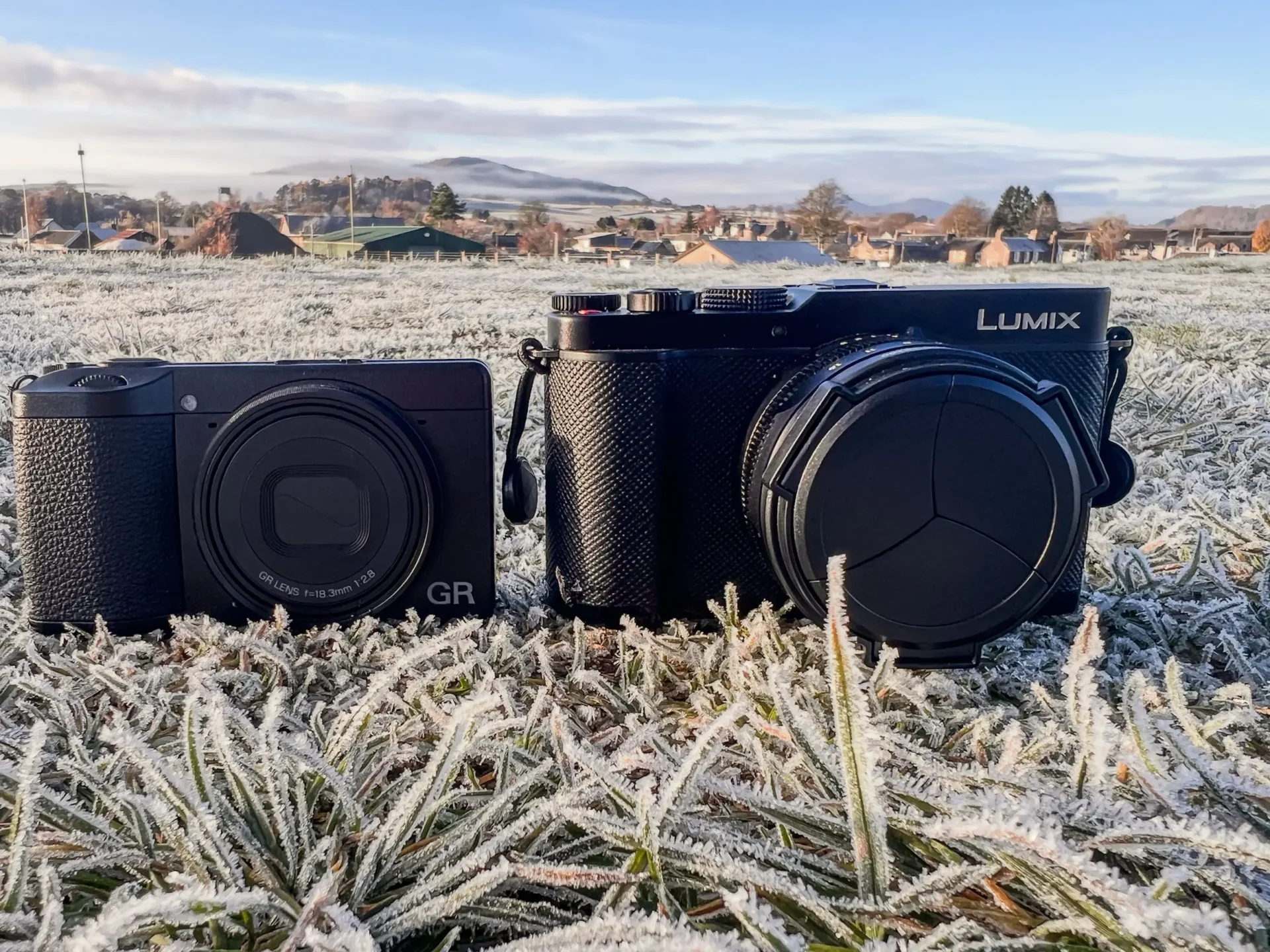
I own both of these cameras, both are among the best compact cameras currently available but they go about things in very different ways. As I’m planning trips to Europe next year with my daughter Sofia, the question of which one I would actually take with me has suddenly become very real.
In this article I’m going to explain the differences and focus on the things that actually make a difference to most people in real-world shooting. I’ll list the specs, but I’ll only mention the ones that matter in normal travel use.
Size and Pocketability

At 109.4 × 61.1 × 32.7mm, the Ricoh GR IV is truly pocketable. It fits in jacket, trousers and shorts pockets—it would even fit in a chest pocket of a shirt. The Panasonic L10 at 127.1 × 73.9 × 66.9mm simply isn’t pocketable unless you’re wearing a jacket with large hand pockets. If you want something genuinely pocketable that you don’t even know you are carrying most of the day, then there is only one winner here and that’s the Ricoh GR IV.
If I want a “just in case I want to snap a photo” camera, where the main focus is on the trip and spending time with family, then the Ricoh has a big advantage here. I can—and have—slipped it in my pocket and never taken it out.
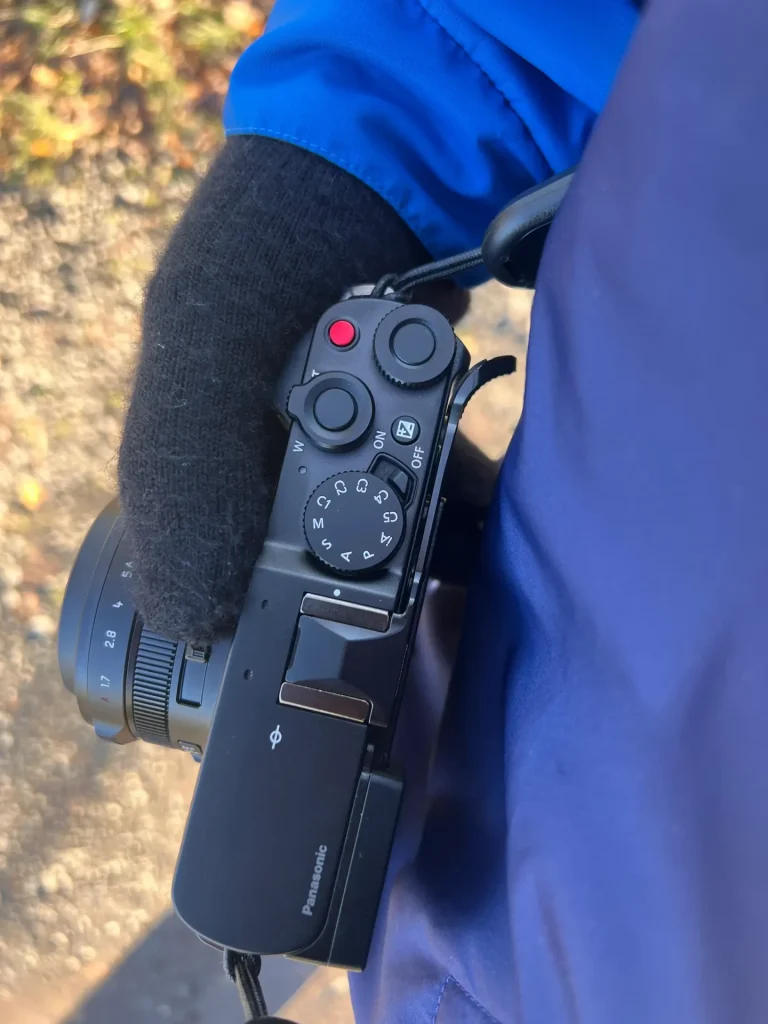
The Panasonic L10 is still a reasonably compact and light camera. It’s certainly not a burden to carry, but how you carry it means that you have to factor it in to your trip. It will fit comfortably in a small bag such as a ladies’ handbag, but personally, I like to carry it slung around my back on a camera strap. That means it isn’t invisible. Ultimately, the Ricoh can be like your phone, where you always have it on you; the Panasonic means being prepared to carry a camera with you, even if it is compact and lightweight.
Fixed Lens vs. Zoom Lens
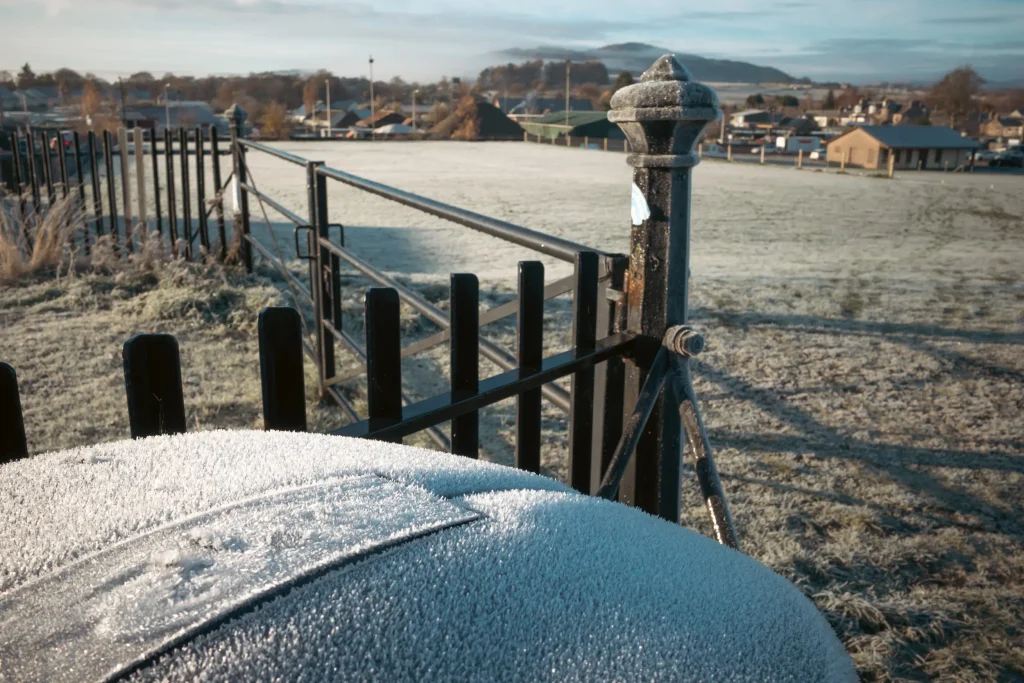
The Ricoh has a fixed focal length lens which gives a reasonably wide 28mm full-frame focal length equivalent. What does that mean in reality? It’s great for landscapes, beach scenes, city buildings (although if you are up close you may not find it wide enough) and street photography where you want to take in a lot of a scene.

However, if you are not a photographer and just want to have a camera that can capture your whole trip then it might not be ideal. Want to take portraits of your children, partner or people you meet on your trip? 28mm is not ideal as it can introduce distortion in people shots if you are not very careful with your framing.

Want to get a detail shot of some beautiful architecture, the wide focal length isn’t ideal. 28mm is also a focal length where you have to pay attention to everything in your frame—take a once-in-a-lifetime shot and something ugly has crept into the side of your shot that you didn’t notice, shot ruined. To get really captivating photos, you often need to push in quite close to your subjects which you might not want to, or be able to do. Shooting with the Ricoh GR IV requires a certain amount of discipline.
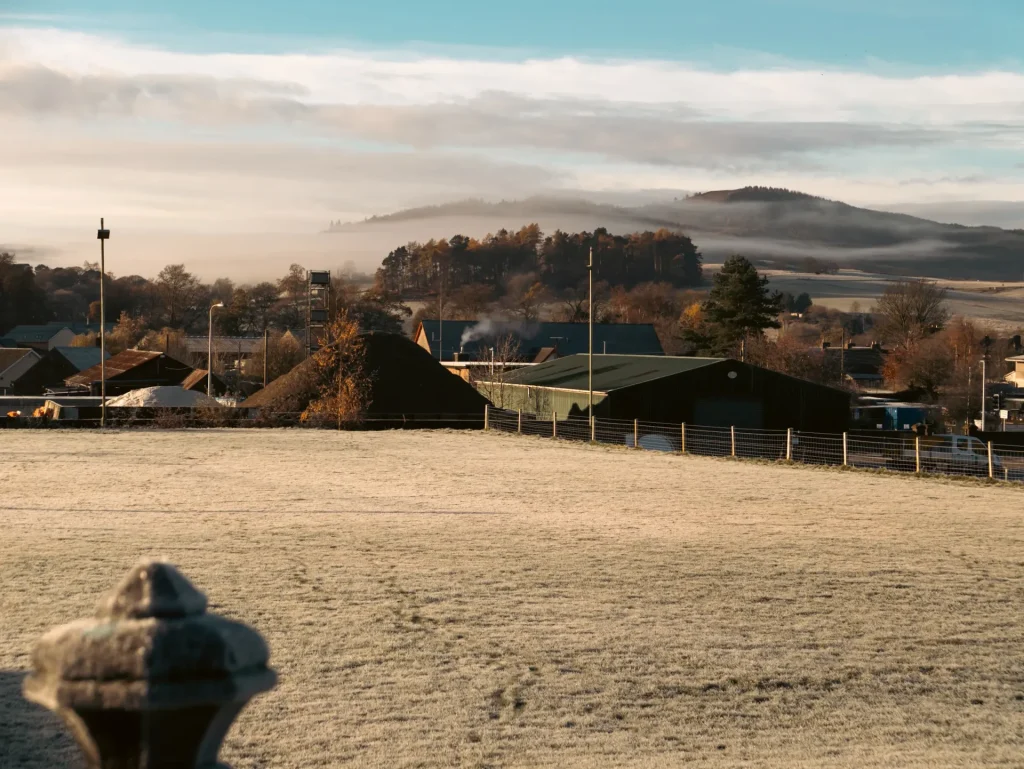
The Panasonic L10, on the other hand, offers a flexible 24–75mm equivalent focal length, which means that it goes wider than the Ricoh—which can be useful for landscape and city shots, allowing you to get more into your frame. It also gives you the classic mid and short tele focal lengths. This means that it’s much more flexible in terms of what you can actually take good photos of.
At 75mm it offers enough compression to take flattering portrait shots with a bit of background blur and also allows you to pull distance elemtents in to the frame. The Panasonic lens offers a fairly bright f/1.7-2.8 aperture which changes throughout the zoom range. This means that in low light, at the wider end, the large aperture helps to keep the images as clean as possible. At the longer end, f/2.8 is large enough to give a little background blur to your portraits.
Ultimately, if I am travelling with my daughter Sofia with just one camera, then the flexibility of the zoom lens is probably going to be more useful than slight improvements to image quality.
Handling, Controls, and Real-World Quirks
Despite their size, both cameras can work really well. The buttons are well placed and easy to use, and both can be customised to your taste—which is especially useful on the Panasonic, which in its default state has some strange behaviours. Whichever camera you choose, once you have set it up, it will do the job well.
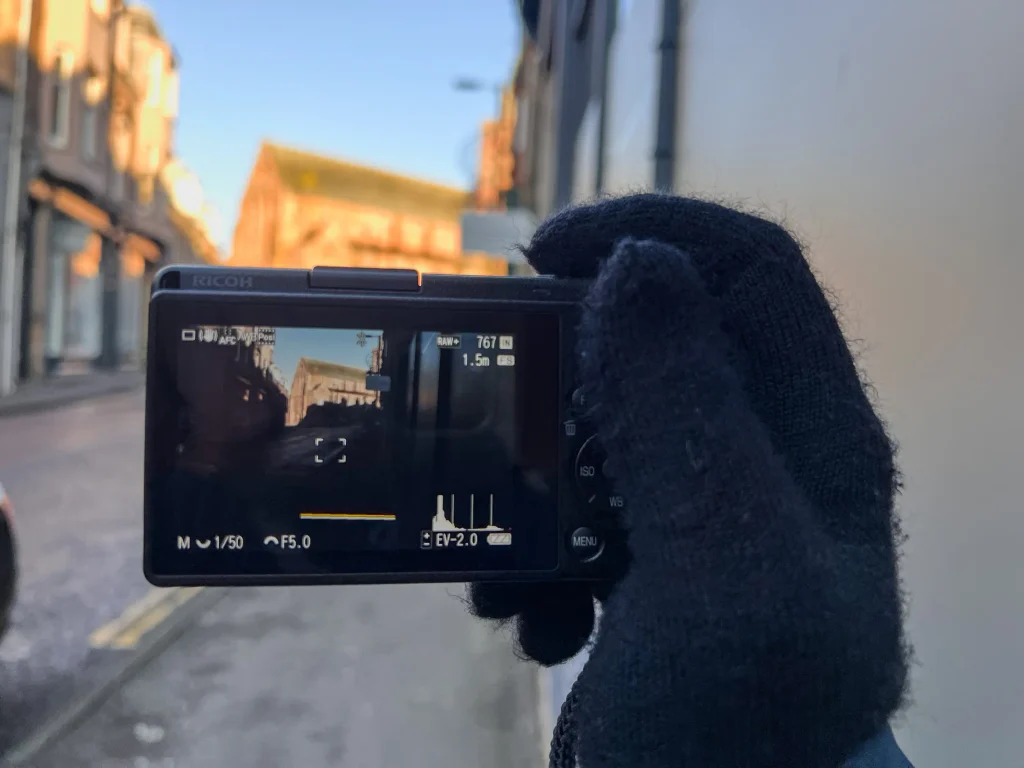
Even though the Ricoh is tiny, it does not feel cramped to use. I find the control layout to be well thought out. Every button is logically placed and easy to use, even with gloves on in cold weather like I was shooting in today. However, the Ricoh’s primary way of selecting your AF point is by using the touchscreen. That’s fine until you’re wearing woollen gloves as I was today, which meant I had to take my gloves off to focus. My hands got cold quickly.
The GR IV has a fixed rear LCD screen with no viewfinder at all. When I was shooting in Dumaguete in the Philippines, I found it hard to see in bright sunlight.
Even today in Crieff, with low winter sunlight, the screen definitely makes it harder to see than the viewfinder on the L10. The rear screen on the L10 is also fully articulating, which again makes it more flexible. You can shoot at various angles and still see the screen clearly. I was also able to keep my gloves on while using the L10 as I have set up custom controls to quickly move my AF point around without having to use the touchscreen to focus. The L10 also offers the ability to use the rear screen as a trackpad to move your focus point but I find it terrible.
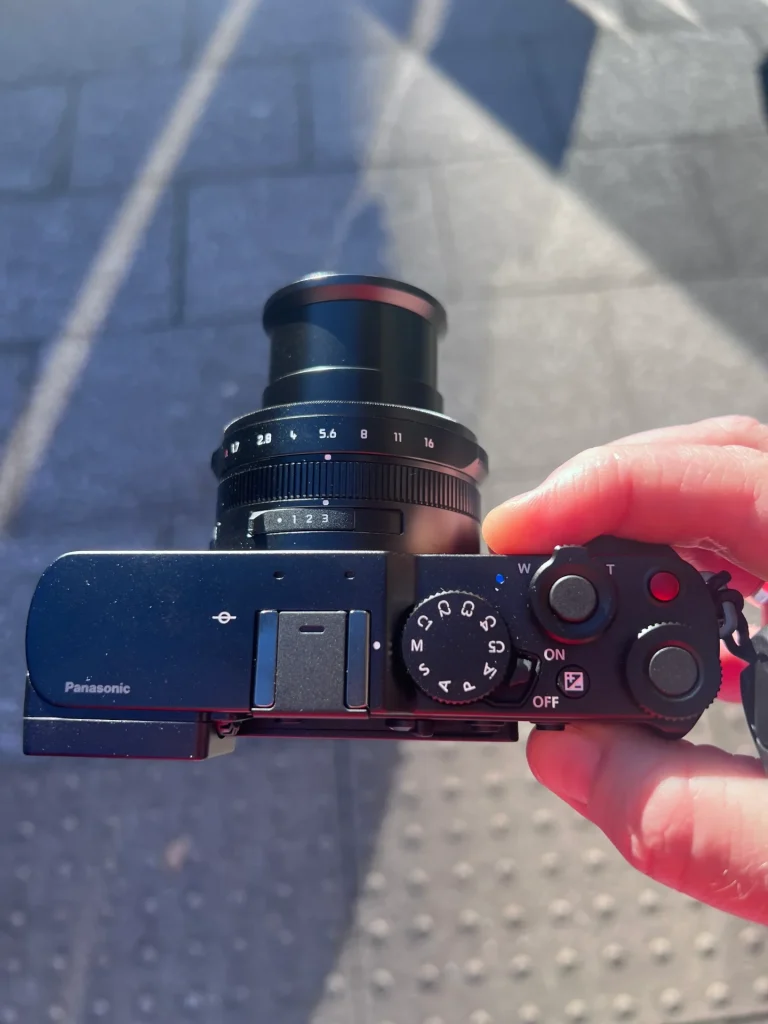
Start-up time is quicker on the Ricoh GR IV—in fact, it’s ready to use by the time I have brought it up to shoot. The Panasonic, on the other hand, takes about a second while the zoom lens telescopes out from its closed position to being ready to shoot. Out of the box, the Panasonic also has a horrible lens cap which can easily be knocked off and requires you to use your second hand to remove it. The Ricoh doesn’t need a lens cap as it has a built-in system, making it quicker and less fiddly to be ready to shoot. I’ve negated this with one cheap and simple accessory for my L10.

Both cameras’ autofocus systems aren’t the fastest in the world, but the Panasonic is just a little quicker and works better with moving subjects and it has subject detection modes. Both are good enough to get general shots, but I trust the L10 more if people are in the frame. However, for photographers, the Ricoh has a feature called Snap Focus, which allows the camera to immediately take a photo with the focus distance set to a predetermined distance. This allows you to quickly fire off shots without waiting for the AF system to lock on to the subject. It’s a great feature, but not one that I can honestly see non-photographers using much—it takes quite a bit of practice to use efficiently.
Battery life has been improved on both cameras over their predecessors. The Ricoh GR IV now lasts most of a day’s shooting (as I found out in Dumaguete), while the Panasonic L10 will cover a full day or more of normal vacation shots. Both can be recharged via USB-C, so carrying a small powerbank with you and recharging at lunch is easy. Neither camera is weather sealed, which is a shame. The Ricoh is easy to quickly stash in a pocket in bad weather, whereas the Panasonic would have to be protected by putting it in your bag. In reality, unless you’re out in a storm or continual rain, I think they will both survive if you’re sensible.
So which one do I actually prefer the handling of after owning the Ricoh for over a year and now owning the L10 for around a month? It really comes down to one thing: am I happy to carry a camera to get shots of the places we are visiting and the experience we are having. If so then having the viewfinder and zoom lens of the Panasonic L10 outweighs the smaller size of the GR IV for me. The slightly larger body size of the L10 also makes it easier to find the buttons and controls instinctively but you need to make some changes to how it comes out of the box to get the best out of it. I’ve made my custom settings and settings file available to download for free.
If I want a camera with me just in case I see a shot I would regret not getting, then the GRIV’s size and pocketability would be the choice.
Image Quality and Colour
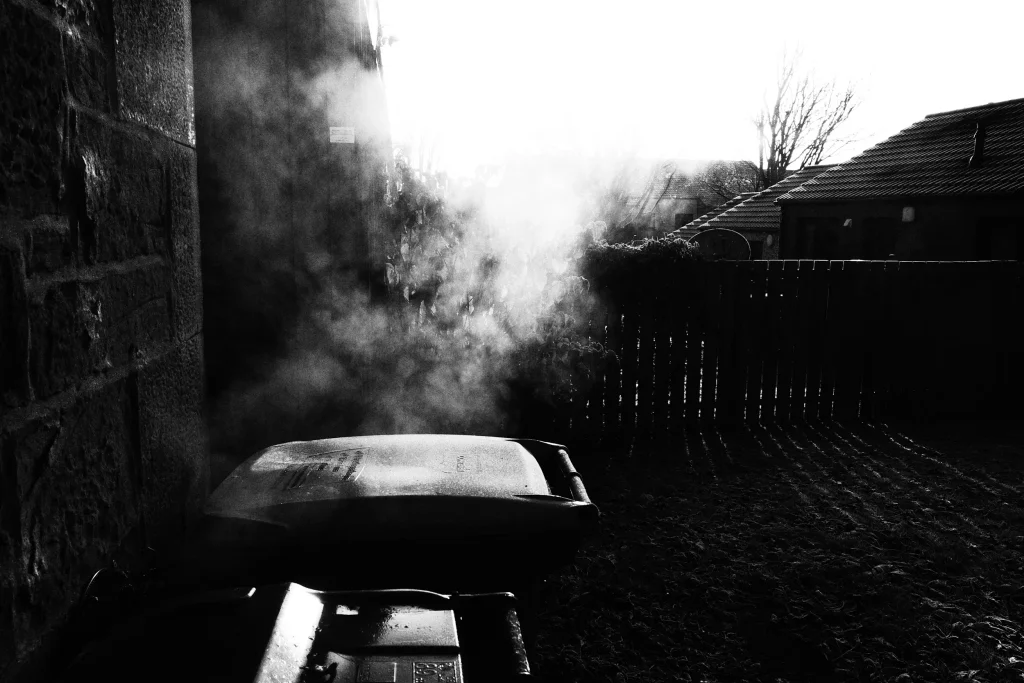
The Ricoh GR IV has a much-touted larger APS-C sensor over the Panasonic L10’s Four Thirds sensor. That means it is naturally going to be slightly better in low light, and it also has ~26MP versus ~20MP on the L10. Does this actually make any difference in reality? The short answer for anyone taking photos on holiday is no.
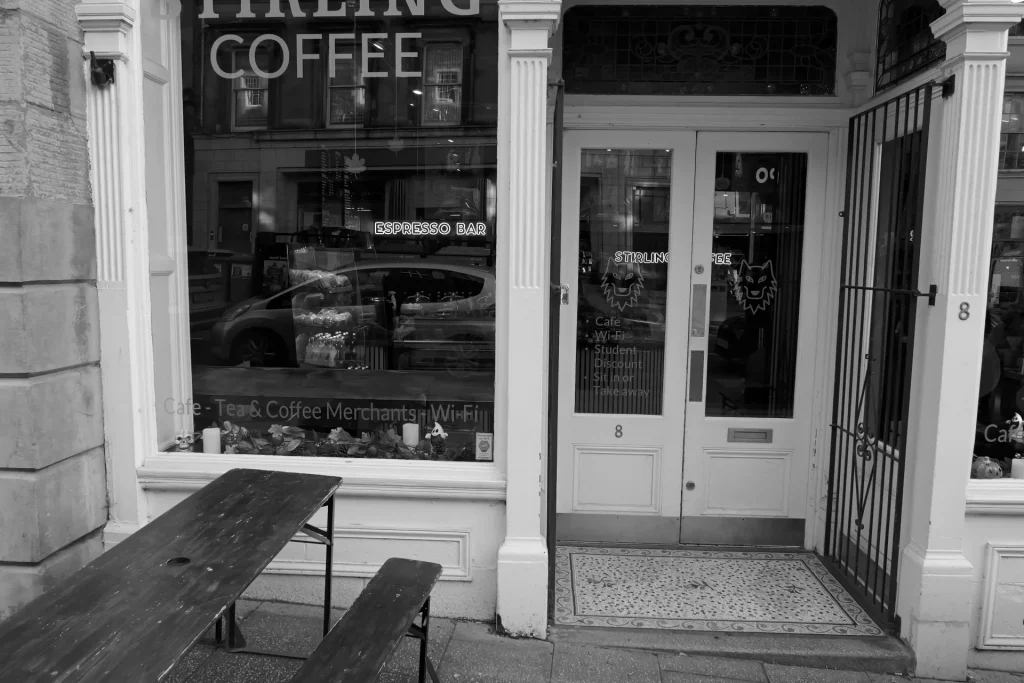
Both cameras are capable of producing really nice photos. Both have sharp lenses, although the Panasonic does get noticeably softer at the edges of the frame at its widest 24mm equivalent focal length. Would this ruin your photos? Unlikely.

So where is the Ricoh’s image quality better? Personally, I think the larger APS-C sensor just gives a slightly more natural, less digital look to photos. It can be seen in the smooth transitions between colours. But honestly, the difference between the two sensor sizes is completely exaggerated online. The Ricoh should be better in low light thanks to the sensor, but then the Panasonic L10 has a brighter lens at its widest angle—and at the same 28mm equivalent focal length as the Ricoh, it has an aperture of around f/2.1 versus f/2.8 on the GR IV, which is more than enough to make up for any difference in performance of the sensor. For more depth of field control than either of these cameras offer, you can look at my Fuji X100VI review.

Which camera produces better colours straight out of the camera? I’d say there is no winner here—both have an incredible amount of flexibility to customise the colours. With the Ricoh you can download a huge range of different colour recipes using the Ricoh recipes app and save a handful of them to the camera.

With the L10 you can download colour LUTs or even create your own with the LUMIX Lab app and save around 30 of them to the camera. Both offer a range of filmic looks, natural looks, modern looks, retro looks, and black and whites that mean you never have to edit a photo if you don’t want to. But both cameras’ RAW files are also easy to edit to taste as well. Once you get to this level of image quality, in my opinion, it’s the photographer behind the camera that makes the difference rather than the small difference in image quality of the cameras themselves.
Which One Should You Buy?
I’d say that unless you’re a pixel-peeping photographer, forget about sensor size and image quality—it’s not a deciding factor. The real choice comes down to two things.
Will you actually carry the Panasonic L10? Because it won’t fit in your pocket. It won’t replace the convenience of your smartphone, and you will actually have to carry it on a strap, in a small dedicated camera bag, or find space in your travel bag for it—despite some complaints online about it being bigger than its predecessor and being too large for a compact camera. When you consider the flexibility of its zoom lens, the image quality, and the handling, it is potentially a genuine replacement for a larger camera with zoom lenses, and it could be the only camera you ever need for travel photography. And I want to be clear: the L10 is not a large camera, it’s just not tiny. I happily grab it when I’m heading out, and the size and weight are tiny compared to my full-frame cameras or other mirrorless systems. I’ll be heading to the coast with it this week, and I count bringing the L10 as my very lightweight, no-hassle system.
If you don’t want to carry an actual camera and you just want to have something in your pocket capable of better image quality than your phone, then are you comfortable with just one focal length—and it being a 28mm equivalent (just like a lot of smartphones’ main camera)? If so, then the Ricoh GR IV is a genuinely enjoyable camera to use. For me though, for potentially once-in-a-lifetime trips with unrepeatable shots, it’s simply not flexible enough to be my only camera trusted to record those memories. It’s much more suited to street photography and trips closer to home where missing a shot doesn’t matter so much as I can go back the next day.
Those are really the only two questions you need to answer in order to see which camera to buy—or if you decide not to buy one at all.
If I could only have one camera for travel photography between the Ricoh GR IV and the Panasonic L10, I’d choose the Panasonic. If my trip is about photography and I’m shooting prime lenses, I’m going to probably be dedicated enough to bring my full-frame cameras and a couple of lenses and put up with the weight. The only exception for me to this would be for dedicated street photography trips, but that’s a whole other article.