

Having read our Canon 80D review, is this the camera for you?
Last updated 15th January 2026: Its been over 9 years since I wrote this review. It’s a strange feeling sitting here now, knowing that when I wrote this, Sofia, my eldest daughter wasn’t even born. She turns 10 this year. Having read through the article, I can say that while video has moved on considerably, the conclusions regarding image quality still hold true so fo anyone considering picking up a Canon 80D on the used market, the information below will still be helpful. If you want a camera but don’t know where to start then I recently wrote about the best mirrorless cameras available in 2026.
TL;DR — Is the Canon 80D Worth Buying in 2026?
If you can pick up a Canon 80D cheap enough on the used market, it’s still a very solid camera: decent image quality, excellent handling, and Canon’s Dual Pixel autofocus makes it especially easy to use for stills and 1080 video. Just don’t buy it expecting modern mirrorless-level features — no 4K, and newer cameras will beat it for dynamic range, high ISO, and overall speed.
What the Canon 80D Still Does Well
- Handling and ergonomics: The Canon 80D is exceptionally comfortable to use, with well-placed controls and a body that feels balanced with larger lenses.
- Battery life: As with most DSLRs, battery life is excellent and still comfortably ahead of many modern mirrorless cameras.
- Dual Pixel autofocus: Canon’s Dual Pixel CMOS AF remains decent, intuitive and reliable for stills, even by today’s standards.
- Articulated touch screen: The fully articulated touchscreen makes both stills and video shooting far more flexible and user-friendly.
- Canon EF lens ecosystem: Access to a huge range of native and third-party EF lenses — many now available very cheaply on the used market.
The Canon 80D has improved on previous models in the series in some important aspects, not least of all image quality.
I welcome the new 24mp sensor which puts it on a more even playing field with it’s rivals from Nikon and Sony. The added resolution while not that noticeable and certainly not a deal breaker is always welcome.
What I like most about the new sensor is the improved dynamic range and the roughly 1 stop of extra high ISO performance. More importantly it allows 80% of the sensor to be used for the Dual Pixel Cmos AF.
The physical controls and handling of the 80D feel well refined and so they should after all these years. With the exception of the placement of the on/off switch and the rear control dial I can’t really fault the handling of the 80D. I also like the build quality as it feels like a solid tool that can stand up to plenty of abuse. It may not quite be in the same league as the Canon 7D MKII or Nikon D500 but at this price point it is certainly solid enough.
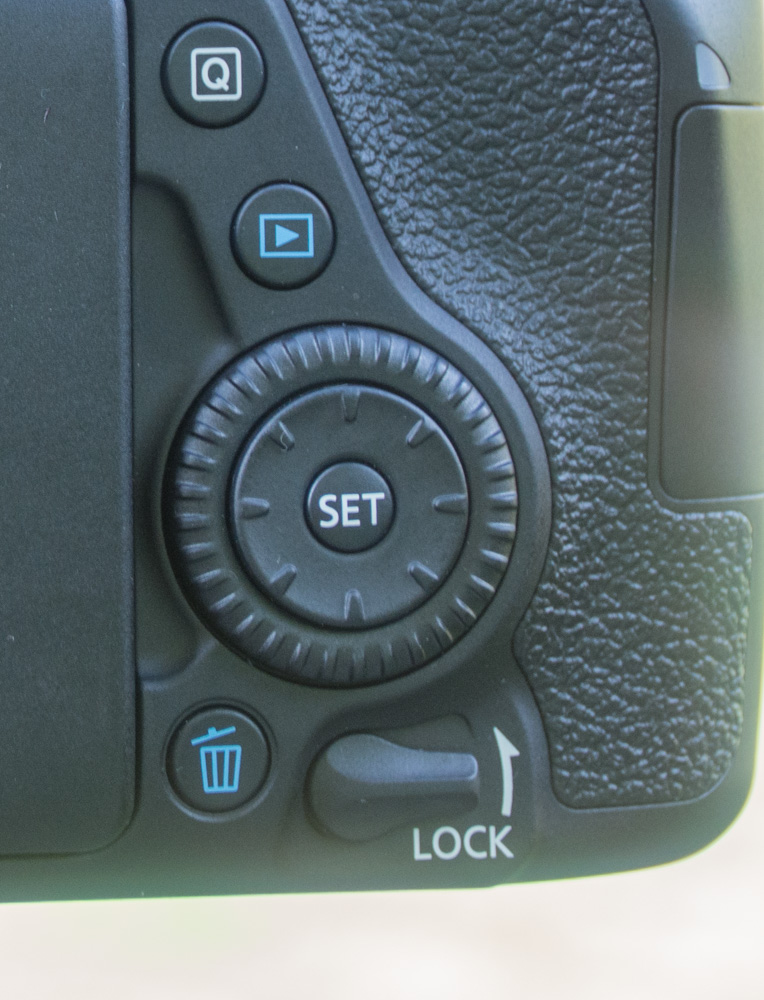
The lack of dual card slots is disappointing, especially for professional use as having in camera back up is a great feature for pros.

The image quality is good but not mind blowing, the Nikon D7200 produces sharper images thanks to the lack of AA filter and the Sony A6300 images are better too in terms of dynamic range and high ISO performance.
I’m a little disappointed that Canon did not implement 4k video on the 80D but then 1080 is all that a lot of people feel they need at the moment. However when Canon’s competitors offer it at around the same price point it may be wise for Canon to match it.
The actual video quality from the Canon 80D at 1080 is good and relatively free from artifacts and moire. Rolling shutter is also reasonably well controlled although as with the competition if that is a real issue for you then better to look elsewhere.
So it sounds like I don’t really rate the Canon 80D as being great for any one particular feature and that would be fair to say with the exception of Dual Pixel Cmos AF which is genuinely superb.
Yes the Nikon D7200 has better image quality and tracking focus for stills and the Sony A6300 offers better video quality.
However if you need a camera that shoots good stills and decent video then I would recommend the Canon EOS 80D over and above both of those cameras due to the following features. . The stills are good, the video is good, the auto focus in video is the best that there currently is, it handles nicely, has an articulated touch screen, is well built and allows you to use Canon’s vast range of native lenses.
Canon 80D vs Nikon D7200

The Nikon D7200 has a few advantages over the Canon 80D which will be particularly important to stills photographers. The lack of AA filter offers sharper images with more detail. The high ISO performance and dynamic range is also better. The Nikon D7200’s 3D tracking auto focus also works better than the Canon equivalent, offering better target acquisition and retention giving you more keepers.
In the Canon 80Ds favour are better movie auto focus thanks to dual pixel Cmos AF and a fully articulated touch screen which really does make shooting video very easy and intuitive. Touch to focus makes pulling focus incredibly easy and Dual Pixel Cmos AF is easily the best video focus system currently available.
Canon 80D vs Sony A6300
In the 80D’s favour are 100% coverage optical viewfinder, articulated touch screen, better ergonomics, much better battery life, better native lens selection, better choice of external flash accessories.
In favour of the Sony A6300 is most importantly 4k video, slightly better still image quality, small size and weight, faster FPS at 11 vs 7 for the Canon.
As a camera I prefer the Canon 80D due to its usability but there is no denying that on paper the Sony offers the better specs.
Here are my recommendations:
Who Should Buy What in 2026
Buy the Canon 80D if:
You find one at a genuinely good used price, value excellent handling and ergonomics, and want a straightforward, reliable camera for stills and occasional 1080 video. It’s especially appealing if you already own Canon EF lenses.
Look elsewhere if:
You want modern features like 4K video, cutting-edge autofocus tracking, smaller size, or the best possible dynamic range and high ISO performance.
Already invested in Canon?
The 80D still makes sense as a low-cost way to stay within the Canon ecosystem, particularly if usability matters more to you than specifications.
2016 Conclusion
Stills only photographer with no current investment in lenses –
Get the Nikon D7200 for better image quality and auto focus.
Existing Canon users-
Get the Canon 80D over the Nikon D7200. It’s close enough in stills performance and offers better video.
Video Users-
If you don’t need 4k video then the 80D is a good choice, not just because it offers decent video quality but it is the usability of the 80D that makes it a good choice. The articulated touch screen along with dual pixel Cmos AF really do make shooting video a breeze.
If you need 4k then look at the Sony A6300, A7SII, A7RII or Panasonic GH4.
2026 Conclusion
If you’re looking for a camera that’s fairly rugged, handles well, has good ergonomics, and you prefer an optical viewfinder along with the huge battery life that DSLRs are known for, the Canon 80D still makes sense in 2026 — as long as the price is right. Image quality is still perfectly decent, and for the money it remains a capable and enjoyable camera to use.
I’ve seriously considered going back to a DSLR myself more than once, largely for their simplicity, ruggedness, and battery life. That said, if I were to do so today, it would only be for something like the Nikon D850, which I personally consider to be the best DSLR ever made.
For most people though, the convenience, features, and overall ease of use of modern mirrorless cameras simply make shooting easier. That doesn’t make the 80D obsolete — it just means it now belongs firmly in the good value used camera, if you can find one.