
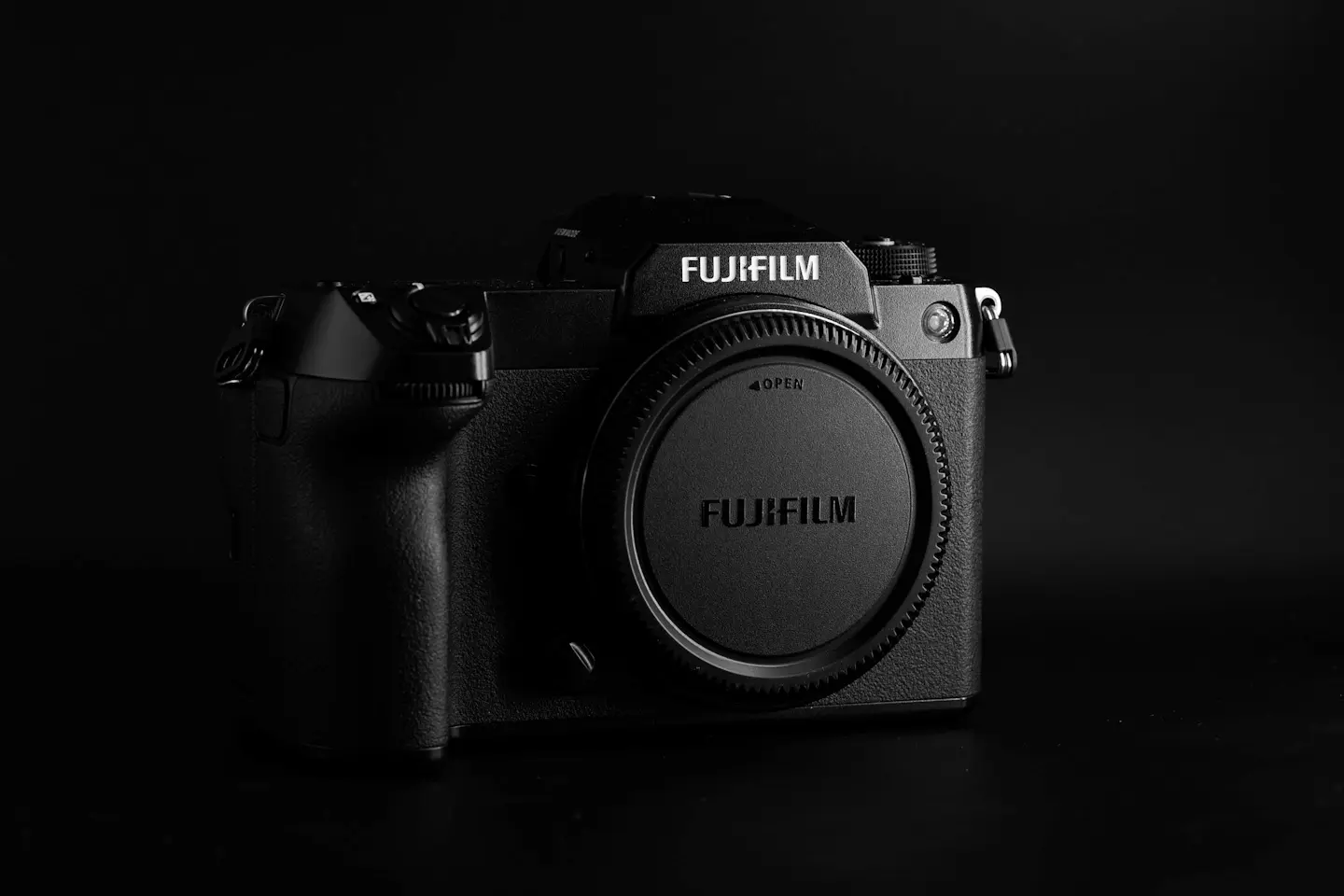
When I bought the Fujifilm GFX100S a few years ago, I thought I knew exactly why I wanted it.
It was my dream camera.
After years of shooting everything from Canon and Nikon to Fujifilm X Series cameras, I had always been fascinated by digital medium format. The idea of a larger sensor, more detail and image quality that pushed beyond what I had previously owned held a certain appeal.
When I sold my business and decided to pursue something more meaningful than simply working to make money, I allowed myself one indulgence.
I bought the GFX100S.
The strange thing is that after finally getting my dream camera, I didn’t use it nearly as much as I expected.

Part of that was practical.
Most of the photographs I was making in the Philippines involved family life. Candid moments. Children running around. Everyday life unfolding in front of me. For those situations, my X100VI and X-T5 simply made more sense.
But looking back, I think there was another reason.
I didn’t really know what the GFX100S was for.
Not technically.
Personally.
I knew what it could do.
I didn’t know what I wanted to do with it.
Finding A Direction
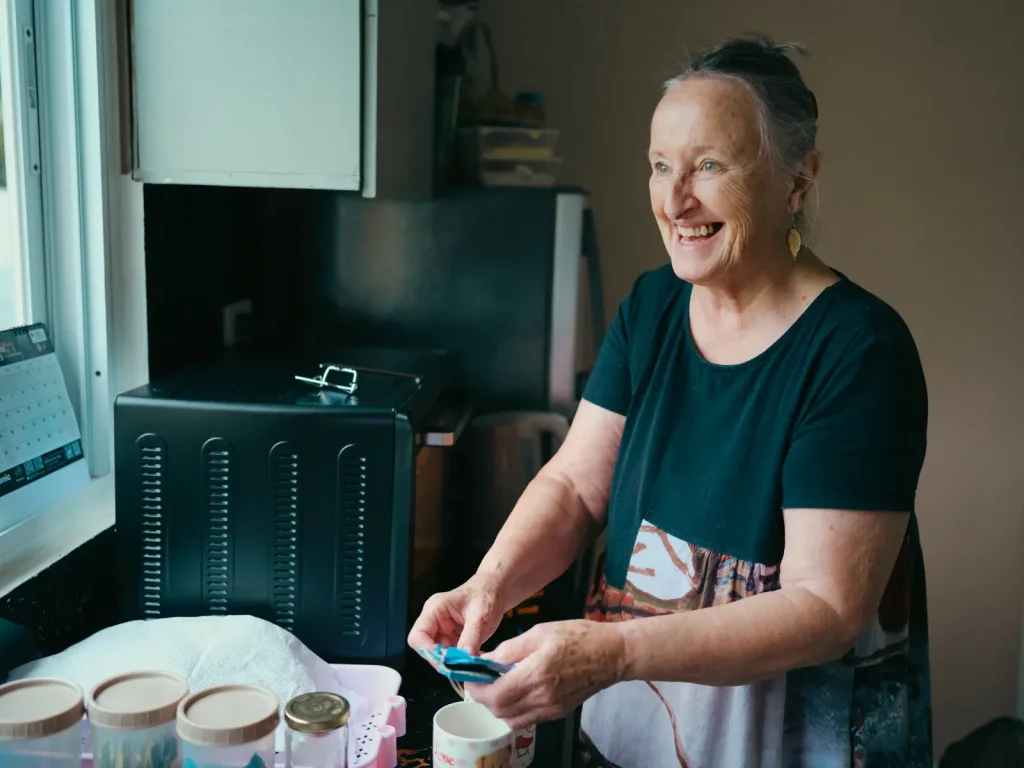
Over the last year, I’ve spent a lot of time thinking.
About family.
About responsibility.
About the future.
About what matters.
Since returning to Scotland, I’ve found myself spending more time walking with a camera and less time worrying about making beautiful photographs for the sake of it.
I’ve been paying attention to the images that stay with me.
The photographs that feel important.
The ones that seem to be asking questions rather than simply showing a scene.
Slowly, a number of long-term project ideas began to emerge.
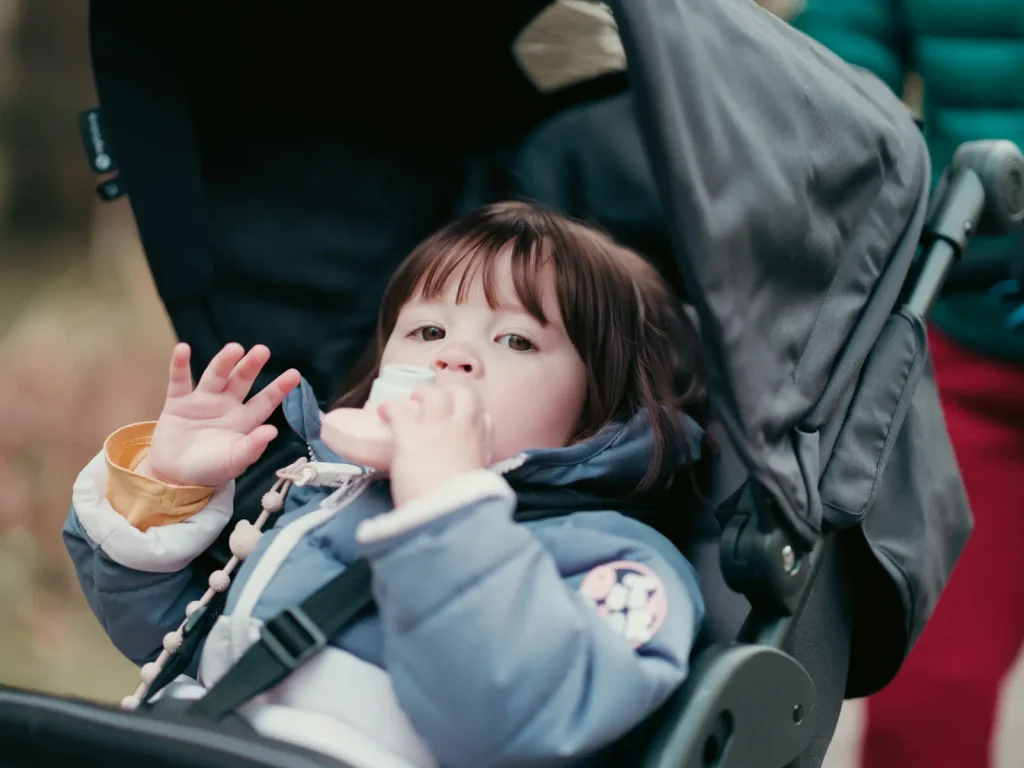
Projects about family.
Projects about memory.
Projects about ageing.
Projects about the passage of time.
And with those projects came something I had been missing for years.
A reason to use the GFX100S.
Slowing Down
The Fujifilm GFX100S isn’t actually a slow camera.
Compared to the Canon 5D Mark II I used professionally many years ago, it’s remarkably capable.
But it does encourage a different approach.
The 100-megapixel sensor rewards careful technique.
Depth of field behaves differently.
Focus placement matters.
Camera shake matters.
Everything benefits from a little more consideration.
You can absolutely use it casually.
But to get the very best from it, you need to slow down and pay attention.
Recently, that’s exactly what I’ve been trying to do.
Not because I want more megapixels.
Not because I want sharper files.
Not because it’s the most expensive camera I own.
But because the projects I’m working on deserve that level of attention.
The Camera Didn’t Improve My Photography
When I bought the GFX100S, I think part of me believed it would improve my photography.
That was naïve.
Cameras don’t do that.
At least not directly.
The image quality is incredible, but image quality alone doesn’t make meaningful photographs.
What the GFX100S has done is something much more valuable.
It has encouraged me to think.
To slow down.
To be more deliberate.
And perhaps most importantly, it forced me to find a genuine purpose for using it.
The camera didn’t improve my photography.
Finding a reason to make photographs did.
Looking Forward
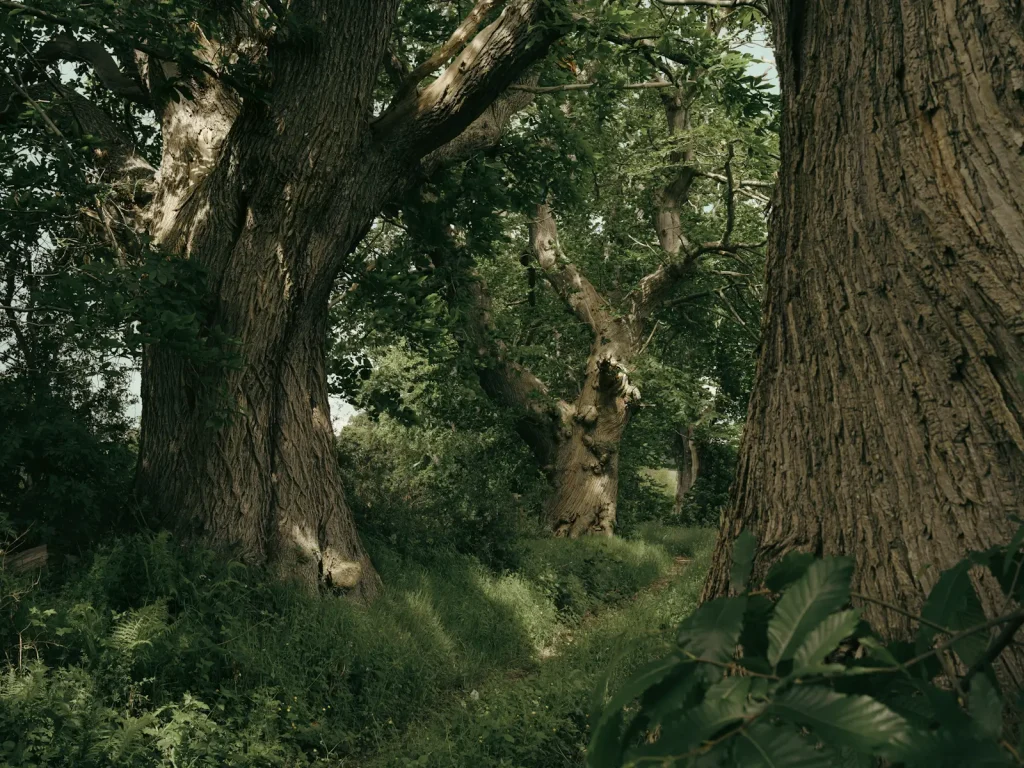
For the first time since buying the GFX100S, I feel like I understand why it’s in my bag.
Not because it’s medium format.
Not because it’s 100 megapixels.
But because the photographs I’m trying to make now require a different pace and a different mindset and the best that I can give them.
The camera hasn’t changed.
I have.
If you’re interested in the more personal side of that journey and the projects that led me to this realization, I’ve written about them in more detail on my personal website: