

In 19 days’ time, my family’s life is going to change forever.
We’re moving halfway around the world, from the Philippines back to Scotland.
I didn’t expect this to happen. When I restarted this website in June 2025, I hoped it might one day provide a way for me to continue writing about my passion for photography and offer people an honest view of what gear is actually useful. The hope — a quiet one — was that perhaps in three years’ time it might earn enough to support a simple life here in the Philippines.
I had doubts. Plenty of them. But I pushed on because photography, and the gear around it, is all I know. It’s been the one constant in my life for more than 20 years, and without it, at 44 years of age, I genuinely don’t know what I would be doing.
Those plans for a slower, semi-retired life were already being tested.
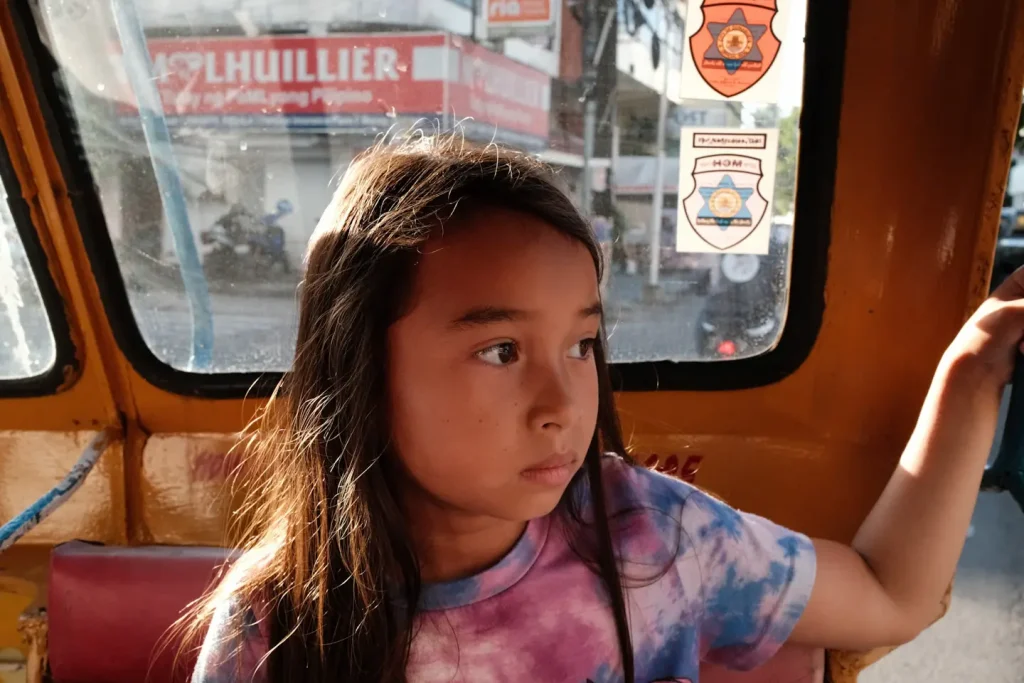
Over the last year, I’ve watched the excitement slowly leak out of my eldest daughter, Sofia. Not in a rebellious or dramatic way, but in a sad, resigned one — as if she’d quietly accepted that this was simply how things were going to be. During Covid, she and I spent 18 months in the UK together. She was enrolled at a lovely school in Coventry and thrived there. She loved the structure, the activities, and the sense that there were things to aim for.
She was six or seven when we returned to the Philippines, but in the last year I’ve seen her motivation dwindle. The schooling here is pleasant enough, but limited. Teaching by rote. No extracurricular activities. A classroom that, if I’m being completely honest, I felt ashamed sending her to every day.
I tried to find a solution closer to home. We travelled to Dumaguete, a small city on a neighbouring island, to visit a British-run international school that promised something closer to what Sofia had experienced in the UK. I toured the school, spoke to the staff, and enrolled her. For the first time in a while, it felt like I’d found a way forward.
But while we were there, a message from my wife changed everything. She raised concerns about our youngest daughter, Isabelle’s development. It wasn’t out of the blue — I’d noticed small things too — but once it was said out loud, there was no un-hearing it. No more pretending it might resolve itself.

And with that came a harder question: if Isabelle needed additional support, could she realistically get it here? In Barili? Even in Dumaguete?
For me, the answer was clear.
We needed to go back to the UK.
For their health.
For their development.
For their future.
The uncomfortable truth is that I wasn’t earning enough to make that decision easy. Quite frankly, I’m still not fully there. This website isn’t yet paying the bills. But it’s close enough now that, with a lot more hard work, I might just get there. And when it comes to my children, the slight risk I’m taking feels worth it.
Since the idea of moving back was first raised, the pressure has been building — and I’ve felt it. Pressure at home. Pressure to perform. And the constant friction of bureaucracy, inefficiency, and the sheer difficulty of dealing with things that, as Westerners, we tend to think of as the most basic of tasks.
In the last month alone, I’ve had a house sale fall through at the very last minute. A car sale collapsed because the buyer couldn’t work out how to make an international bank transfer to my UK account — and the local infrastructure here doesn’t allow me to make those transfers without a Philippine tax identification number. That’s meant accepting cash sales for the few valuable belongings we have left, which brings its own stress as we try to navigate converting cash into the local banking system and then on to the UK.
Ironically, shipping goods into the Philippines was easy. Getting them out has been anything but. After contacting more than a dozen shipping companies and receiving not a single reply, I finally went to the local post office. I was told it would cost around $60 — about £45 — to ship a 30kg box to the UK. No insurance, but manageable. We bought five boxes, spent an entire day stripping our lives down to the essentials, and packed everything up.
The next day, when I went back to collect a couple more boxes, I was told the information was wrong. The actual cost was 17,498 Philippine pesos — around £210 per box. Five boxes. Another £1,000 gone overnight.
It’s now two weeks until we fly. The taxi is booked. The boxes will, hopefully, be dispatched tomorrow. Beyond that, there’s a lot I simply don’t know. The car. The house. Who knows what will become of them.
Maybe I’ll recoup some of the costs. Maybe I won’t. But at this point, they’re just things. Material items. Useful once, replaceable later, and ultimately meaningless if my children aren’t in an environment that keeps them safe, healthy, and able to thrive.
If I lose some belongings along the way, so what. I can earn money again. I can replace objects. What I can’t replace is time, or missed opportunities, or the slow erosion that comes from knowing you could have done something and didn’t.
This move has forced me to strip things back — not just physically, but mentally. To decide what actually matters, and what I’m willing to let go of in order to protect it.
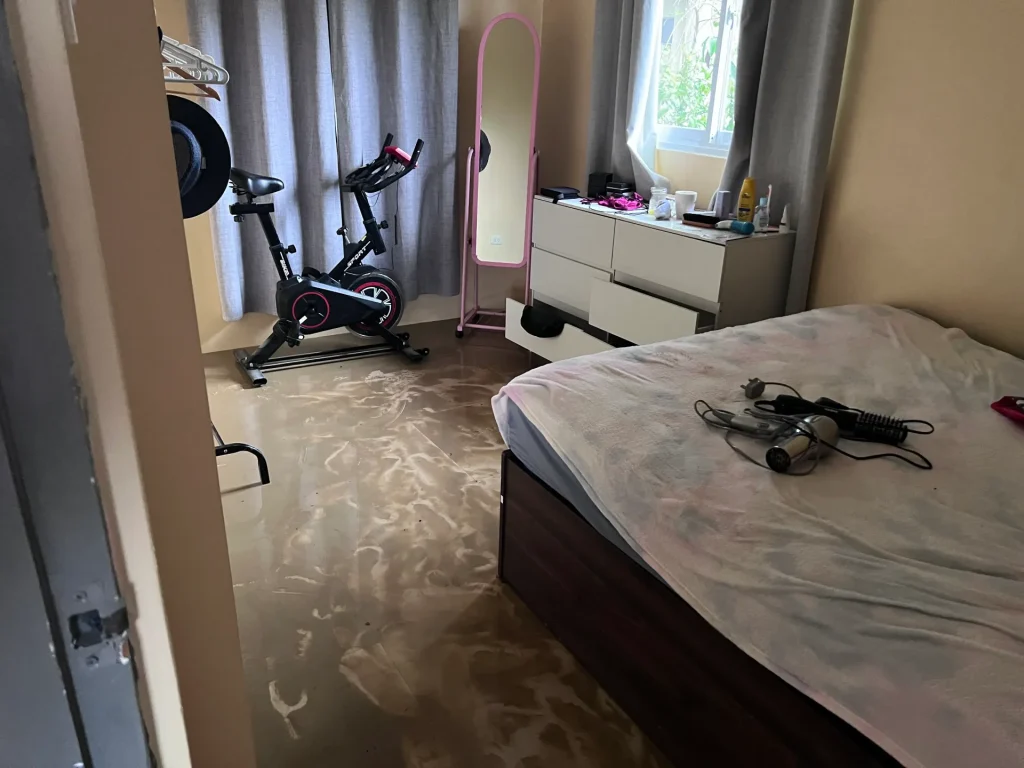
Layered on top of all this is the weight I carry for my mum. I had renovated a small house next door for her to live in here in Barili. When flooding damaged it, she had no choice but to move in with us in our family home. Since then, every item she’s had to give up carries a quiet sense of guilt for me — another reminder of the responsibility I’ve taken on.
Lately, that responsibility feels constant. Emotional. Logistical. Financial. For my children. For my mum. For the future I’m trying to hold together.
And yet, despite everything — perhaps because of it — I have this strong, almost stubborn feeling that once we land, once we step out into that crisp Highland air for the first time, these months will begin to make sense. That they’ll turn out to be the hardest part of something much better.
This move isn’t just about schooling. When Sofia and I lived in the UK, I made a decision to let her try any activity she wanted, with the hope that she’d eventually find her passion. As it turns out, she chose horse riding — yes, typically Sofia, one of the most expensive hobbies imaginable. Despite my best efforts, I’ve simply not been able to find a riding school here.

In Crieff, where we’re moving, there are several riding schools within easy driving distance. Scotland offers Isabelle safety, security, and access to proper support if she needs it. It offers Sofia the chance to thrive — to follow what excites her, to be inspired, and to grow up surrounded by some of the most beautiful countryside in the world.
And for me, it offers a return to the country where my journey as a landscape photographer began all those years ago.
I don’t know exactly how the next chapter will unfold. I know it won’t be easy, and I know I’m still carrying risk. But I also know why we’re doing this. These last few months have probably been among the hardest of my life — and I hope, in time, they’ll be remembered as the price we had to pay to move forward.
No pain. No gain.
My best wishes to you and your family, going through something similar I can relate. I found this website randomly when looking for photography gear.
Hi Alvin,
Thanks so much and likewise, the best days always come after the hardest times.
All the best
David
Best of luck with the move
Wrap up too. It’s baltic cold…
Hi Vic,
Thanks. I’m having to leave a lot of stuff here, but my jackets is in the suitcase, ready for action 😀
All the best
David
Well-said, David. Wishing you and the family Godspeed on your new ventures in the Cotswolds.
Mike (your neighbour in Barili)
Thanks so much Mike. I’ve just been browsing your paintings. Some of the local scenes are beautiful. Stay in touch.
All the best
David
All the best for the move and new start!
Hi Sarah,
Thanks very much. Were here now and settling in.
All the best
David