
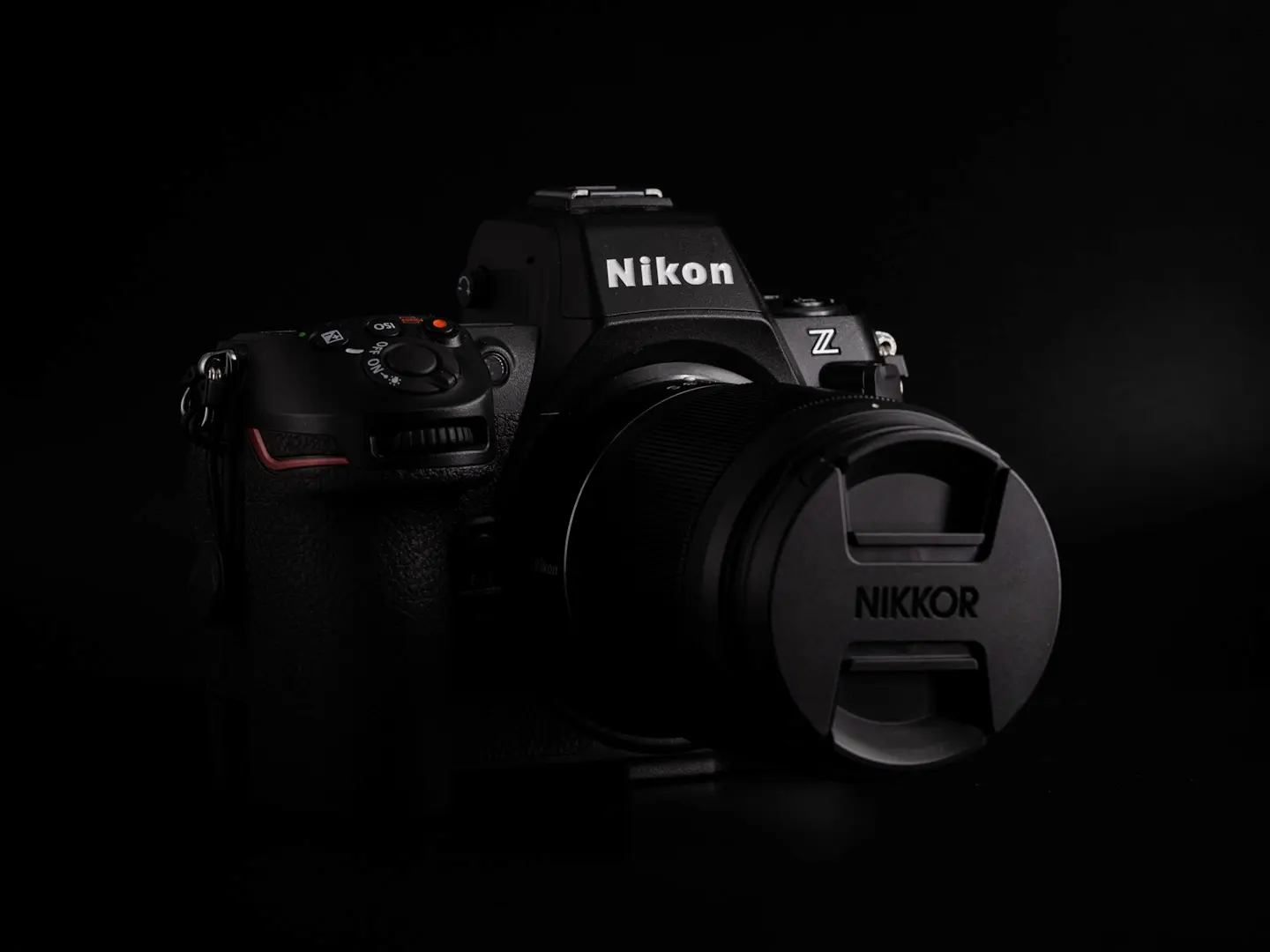
Nikon might not release cameras as quickly as some other manufacturers, but what they do bring out tend to be photographers’ cameras. The current Z lineup has matured into a capable system, yet the question remains: which Nikon Z body is actually the best for photography in 2026?
I own three of the main Nikon Z cameras — the Z8, Z6 III and ZF — and each fills a role in my overall system. But if I could only keep one for shooting, which one would it be?
If you want the best Nikon Z camera for photography in 2026, the Nikon Z8 is the clear choice. It offers flagship-level autofocus, a 45MP sensor, excellent ergonomics, and a photographer-focused screen design — without the size or cost of the Z9. The Z6 III is outstanding value, and the Zf is a wonderful second body, but for one camera that can handle everything, the Z8 stands above the rest.
If we’re looking purely at which Nikon Z camera is best for photography, I think it makes sense to set Nikon’s DX (cropped-sensor) bodies aside. That isn’t a criticism of those cameras — many of them are excellent — but historically Nikon has positioned DX as a stepping stone into its FX full-frame system rather than the end point. The same thinking is reflected in Nikon’s lens lineup, which is clearly focused on full frame. If Nikon’s best camera exists, it makes sense that it sits within the FX lineup.
Within Nikon’s current full-frame Z range, the standouts are the Nikon Z9, Nikon Z8, Nikon Z6 III, and Nikon Zf. These cover a range of price points, sizes, and feature sets, but they’re the cameras most photographers will realistically be choosing between.
The Z9 is an exceptional camera and, in many ways, it set the foundation for the Z8. I’ve spent time with the Z9, and there’s no question about its capability. However, for most photographers, the Z8 makes far more sense. It delivers virtually the same performance as the Z9, without the built-in battery grip, at a lower price and in a more manageable form factor. Once you account for that, the real decision comes down to three cameras: the Zf, the Z6 III, and the Z8.
This guide is written for photographers who care about the shooting experience as much as image quality. It isn’t a spec-by-spec breakdown, and it isn’t aimed at hybrid shooters or video-first users. Instead, it focuses on how these cameras actually feel to use for photography — from handling and ergonomics to autofocus behaviour and everyday usability.
If you’re trying to decide which Nikon Z camera makes the most sense for stills photography in 2026, this article is intended to help you understand why one camera may suit you better than another — not just which one has the longest feature list.
How I’m Defining “Best for Photography”

When I say best for photography, I’m aware that this is inherently subjective and depends heavily on what — and how — you like to shoot. From my point of view, the best camera for photography is one that offers a seamless shooting experience, without major compromises that get in the way of either the act of taking photos or the camera’s ability to produce strong images.
Image quality, autofocus reliability, and handling all matter, but just as important is how those elements come together in everyday use. A camera can be technically impressive and still feel awkward or frustrating to work with. For me, the best photography camera is one that stays out of the way and lets you focus on the photograph rather than the tool.
The good news for Nikon Z shooters is that all three cameras discussed here are excellent in their own ways. This article isn’t about identifying a clear-cut winner based on specifications alone, but about looking at nuance and real-world use cases to decide which one makes the most sense overall. And when I do use the word winner, it’s worth taking that with a pinch of salt — all three are highly capable cameras.
What Would I Recommend?
Rather than jumping straight to a single recommendation, I think it makes more sense to approach this in stages. The three cameras I’m focusing on — the Nikon Z8, Nikon Z6 III, and Nikon Zf — represent three slightly different interpretations of what a Nikon photography camera should be.
The Z8 and Z6 III are the most natural place to start, as they share a broadly similar user experience. Their control layouts, menu structure, and overall handling philosophy are closely aligned, and for many photographers the choice between them will come down to capability and price rather than how the camera feels to use. In that sense, the Z8 needs to justify why it exists above the Z6 III — not in theory, but in everyday photographic use.
Once that comparison is clear, the Zf becomes a more interesting contrast. It isn’t trying to mirror the experience of the Z8 or Z6 III at all. Instead, it represents a different design philosophy, prioritising a more traditional shooting experience and a different kind of engagement with the camera. When combined with lenses like the 40mm f/2 SE which I reviewed recently it gives a very different experience. Putting the Zf directly alongside the Z8 isn’t about feature parity, but about weighing two very different approaches to photography.
By looking at the cameras in this order — first comparing the Z8 and Z6 III on familiar ground, then introducing the Zf as an alternative way of working — it becomes easier to understand not just which camera is best, but why one might suit a particular photographer better than another.
Why the Z8 Pulls Ahead of the Z6 III for Photography
| Feature | Nikon Z6 III | Nikon Z8 |
|---|---|---|
| Sensor resolution | 24MP | 45MP (greater cropping flexibility) |
| Body size & grip | Smaller, lighter | Larger, more comfortable for long use |
| Rear screen design | Fully articulating | 3-way tilting (photography-focused) |
| Autofocus feel | Excellent | Slightly more confident and sticky |
| Cropping & print latitude | More limited | Much greater flexibility |
| Overall shooting experience | Very capable | More refined and confidence-inspiring |

The first thing I notice when moving between the Z6 III and the Nikon Z8 is size. Even with small-to-medium-sized hands, the Z8 is simply more comfortable to use. The larger body feels more substantial and more rugged, and that translates into confidence when you’re shooting. Both cameras are well built, but the Z8 edges the Z6 III out in terms of overall comfort and perceived durability.
The Z6 III does have a higher-resolution electronic viewfinder, but in practical use I’ve found both EVFs to be more than good enough for photography. It’s a specification difference that matters far less in the field than it does on paper.
Sensor resolution is a more meaningful distinction. The Z8’s 45-megapixel sensor offers noticeably more flexibility than the 24-megapixel sensor in the Z6 III. While many photographers will be perfectly satisfied with 24MP, the extra resolution of the Z8 allows for more aggressive cropping while retaining detail, as well as larger prints. Although the Z6 III has an advantage in low light at native resolution, once the Z8’s files are properly downsized, that advantage largely disappears in real-world use.
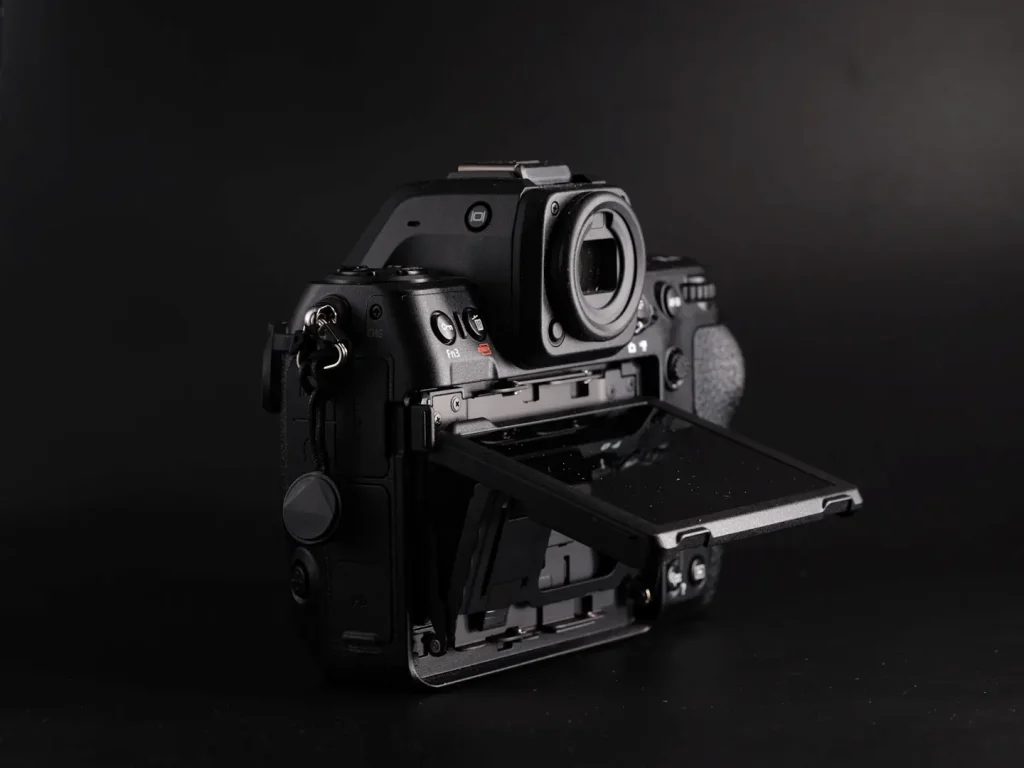
One of the most significant differences for stills photography is the rear LCD design. The Z6 III uses a fully articulating screen, which is excellent for video but not my preferred design for photography. When shooting from non-standard angles, the screen needs to be flipped out to the side, which unbalances the camera. It’s also less discreet when shooting candidly, drawing more attention than I’d like.
The Z8’s three-way tilting screen is far more photographer-friendly. It allows the screen to tilt up and down in landscape orientation while staying aligned with the camera body, which is quicker and more discreet in use. The additional axis also allows left-to-right tilt for shooting at unusual angles in portrait orientation. For stills, the only real advantage of a fully articulating screen is the ability to fold it inward for protection when not in use.
Autofocus performance on both cameras is excellent, but when you get into the finer details, the Z8’s autofocus feels slightly more sticky. It also benefits from an additional button on the side of the camera for quick access to autofocus settings, which helps in fast-moving shooting situations.
My only real criticism of the Z8 is Nikon’s use of memory banks for storing custom settings. They can feel confusing at first, but once understood, they actually offer more flexibility than the U1–U3 custom modes found on the Nikon Z6 III. I wish Nikon would allow users to choose whether custom settings revert when the camera is powered off, or retain changes as they’re made.
There’s no question that the Z6 III is more than enough camera for most photographers, especially considering its lower cost, as I said when I compared the two. But this article is about identifying the best Nikon Z camera for photography. When all of these factors are weighed together — handling, resolution, screen design, autofocus nuance, and overall shooting experience — the Z8 comes out on top.
The Nikon Z6 III is ideal for photographers who want a highly capable, modern full-frame camera with fast and reliable autofocus, but don’t need — or don’t want to pay for — the higher resolution and flagship build of the Z8.
It offers excellent image quality, strong subject tracking, and a familiar Nikon shooting experience at a more accessible price point, making it a very sensible choice for enthusiasts and working photographers alike.
A fast, highly capable full-frame camera with excellent autofocus and strong all-round performance.
Where the Nikon Zf Fits — And Why the Z8 Still Wins
Nikon Z8: Built as a true workhorse camera. It prioritises ergonomics, balance, and speed, with a deep grip, abundant physical controls, and a screen design that suits stills photography. It’s a camera designed to disappear in use and remain comfortable over long shooting sessions, regardless of lens choice or subject matter.
Nikon Zf: Built around experience and emotion. It encourages slower, more deliberate shooting through physical dials and a retro-inspired layout. While enjoyable and engaging, its ergonomics, screen design, and balance with larger lenses limit its practicality as an all-purpose photography camera.
The Nikon Z8 and Nikon Z6 III sit firmly in the lineage of Nikon’s DSLR workhorses. They are designed first and foremost to get the job done in the most efficient way possible, and in that regard they remain largely unrivalled among full-frame cameras. Their control layouts, ergonomics, and overall philosophy prioritise speed, reliability, and consistency — qualities that matter when photography is the primary goal.
That said, there is a different way of approaching photography, and one that has become increasingly popular among a certain group of photographers. For some, the experience of using the camera is as important as the result. It’s not just about getting the shot, but about wanting to pick the camera up, take it with you, and enjoy the process itself. That’s where the Nikon Zf comes in.

From a design perspective, the Zf is one of the most attractive cameras currently available. I also own the OM System OM-3, and it’s genuinely a close call between the two in terms of sheer visual appeal. But once you move past aesthetics and focus on how the camera actually works, the Zf represents a very different shooting philosophy.
The Zf does away with the traditional PASM dial (though Nikon retains a MASP lever) and instead uses dedicated physical dials for shutter speed and ISO, alongside an exposure compensation dial. There’s also a dedicated black-and-white shooting mode operated via a switch beneath the shutter-speed dial. At the same time, the Zf retains many of the advantages of Nikon’s latest generation of mirrorless cameras, pairing a 24-megapixel sensor derived from the previous-generation Z6 II with the EXPEED 7 processor used in the Z8.
In terms of image quality, the Zf is essentially on par with the Z6 III as I found out when I compared the Zf vs the Z6III— in other words, excellent. It shares largely the same menus and features, and autofocus performance is in the same general ballpark, with strong 3D tracking in AF-S mode. With some careful setup, I’ve been able to configure the Zf so that moving between it and my other Nikon bodies is relatively seamless.
So does the Zf fulfil its promise of a retro-inspired photography experience, and does that make it better for photography than the Z8? With more time spent using it, I’ve come to genuinely enjoy the Zf. The dials are engaging and fun to use, even if they don’t function quite as intuitively as Fujifilm’s approach, where physical controls more consistently override other settings. The Zf is an enjoyable camera, but in my view it works best as a second body.
The Nikon Zf is best suited to photographers who value the experience of shooting as much as the end result. It’s ideal for personal projects, everyday photography, and slower-paced work where enjoyment, intention, and connection to the camera matter more than speed or efficiency.
It suits photographers who prefer smaller lenses, who enjoy working with physical dials, and who don’t mind trading outright ergonomics for character. Used this way, the Zf can be a genuinely inspiring camera — particularly as a companion to a more traditional main body.
Full-frame mirrorless camera with classic controls and modern autofocus.
For Nikon Z shooters, the Zf makes the most sense as a complementary camera — something to use alongside a workhorse like the Z8 or Z9 for family time, personal projects, or slower-paced shooting. Where it falls short as a primary photography camera is in a number of small but meaningful ways.
First, the retro experience is incomplete without aperture rings on Nikon’s lenses. While it’s possible to assign aperture control to the lens control ring on some lenses, that remains a workaround rather than a true solution. Second, despite being clearly aimed at stills photographers, the Zf uses a fully articulating rear screen — a design choice I find less suited to photography than a tilting screen. Third, the use of a microSD card for the backup slot feels like an unnecessary compromise.

Ergonomics are another limiting factor. While the Zf is beautiful, it simply isn’t as comfortable to hold as the Z8. The Z8’s deep grip and abundance of physical buttons make it feel like an extension of your body, allowing you to shoot for long periods without fatigue or constant menu diving. By contrast, the Zf’s lack of a substantial grip, combined with its relatively heavy weight (especially when compared to cameras like the Fujifilm X-T5), can put noticeable strain on the wrists over a long shooting day.
The Zf works best with smaller, lighter lenses such as the 40mm f/2 SE, which are clearly designed with this camera in mind. Once you start mounting lenses like the 50mm f/1.8 S, the balance deteriorates, and with something like a 24–70mm f/2.8, much of the supposed shooting pleasure disappears. In practice, the Zf requires additional accessories to improve comfort — something I’ll cover separately.
I genuinely like the Nikon Zf. It satisfies a long-standing desire I had for something like the Nikon Df, and it offers a fun and engaging way to shoot. But when photography is considered in its broadest sense — from family documentation through to professional wildlife and sports work — there can only be one overall winner.
The Nikon Z8 remains the best Nikon Z camera for photography in 2026. It combines excellent ergonomics, dependable autofocus, outstanding image quality, and reassuring build quality at a price that is remarkably reasonable for a flagship-level camera. Paired with what I consider to be the strongest full-frame lens lineup currently available, it’s a camera that can handle almost any photographic task without getting in the way — which, ultimately, is what matters most. If you’re building or refining a Nikon Z system, I’ve put together a separate guide covering the best Nikon Z lenses for photography, including my recommended primes and zooms based on real-world use.
The Nikon Z8 is for photographers who want one camera that can confidently handle almost any type of photography — from everyday family moments through to landscapes, wildlife, and professional work.
It’s ideal for those who value strong ergonomics, dependable autofocus, and high-resolution files, and who prefer a camera that stays out of the way and simply gets the job done without compromise.
Flagship-level full-frame camera with excellent autofocus, high resolution, and superb handling.
I have the Zf. My previous camera was the R6MII. The Canon did no wrong. It was lighter and economically perfect. But it bored me, and its plastic felt like the interior of my old Pontiac G5, just nasty. The Zf is my favorite camera yet. It is heavy and I did use a grip, no longer though. That makes it heavier and didn’t gel with me. Use a neck strap and a two handed style of shooting with heavier lenses, you won’t regret it
I’m glad to hear you are really enjoying your ZF. Agreed, carrying it on a strap certainly helps, along with taking the some of the weight in your left hand. I do that too, particularly with the ZF.
Nice writeup! I only recently discovered your side when I googled comparisons between the 35mm vs 50mm S lenses. I own the three S 1.8 lenses (35,50,85) but always prefer to read what working photographers instead YT reviewers/influencers think about gear.
I fully concur with your thoughts on those three cameras. Coming from a Z6, I got a 6III in spring only to upgrade to a Z8 half a year later. The Z6III while a great machine, never felt like a photographer’s camera to me. Shooting with it was always clunky, for lack of a better word. The screen – while great for videos I’m sure- is more of a nuisance than practical. The PASM dial is wasted space since I always shoot in M. The files I got out of it are gorgeous, however, the Z8’s files I find more natural. They’re ever so slightly more subdued in colour and more transparent when used in monochrome. I always shoot in either Portrait or MC picture mode and SOOC I like the files from the Z8 more than from the 6III. I never had a camera with more than 24mp and have been an advocate of getting it right in camera with as little cropping in post as possible. That said, having access to 45mp files now, I quickly converted, when I realised the possibilities of tight crops for a picture’s impact first hand.
Sorry for the wall of text, keep up the great work.
Cheers
Thanks for reading and for your thoughts. I agree about the Z8, it’s an incredible camera. I’ll be adding much more Z8 content once I get to Scotland in a month or so. Happy New year.
All the best
David
Only downside with the Nikon z8 for photographer using flash photography is the missing of a mechanical shutter for HSS flash photography as the read out speed can get in problems with the HSS signal so its not possible to shoot over 1/2000 sec with Elinchrom ELB 500 flash for example as banding could start I heard ? I was just in the process to buy one …the Nikon Z6 III as mechanical and electronical shutter ??
So thats a very important feature HSS flash for me so thats something which is not so common explained for the NIKON Z8 and Z9 cameras …
Waiting for the new models how they handle that ….?
I lived for 7 years in the HIGHLANDS by the way Moray Firth Nairnshire …
Greetings to Bonnie Scotland from Switzerland Andy
Hi Andy,
Thanks for your insightful comment, it’s not something I had discovered myself as I don’t shoot much studio work these days. From one beautiful country to another, can’t be bad.
All the best
David