
Before I bought my GFX100S a few of years ago, I used to look online to try and see digital medium format was really worth it. Opinions are so polarised online, and of course, no one wants to admit that they made a mistake and spent too much on ‘Medium format’ when full frame would have sufficed. Likewise, those who are entrenched in Full frame systems and are used to arguing with others about their smaller sensor sizes like APS-C, don’t want to admit that there may be a system which eclipses theirs in terms of image quality.
I want to say right here, I don’t really have a preference for a particular sensor size and I shoot everything from Micro Four Thirds to Fuji’s GFX. Each has their own pros and cons in my opinion, all are capable of producing excellent photos in the right hands and like most things within photography, its normally a case of working out your priorities and where you are willing to compromise. I use my cameras for specific tasks or sometimes, just because I feel like using a certain camera on any given outing.
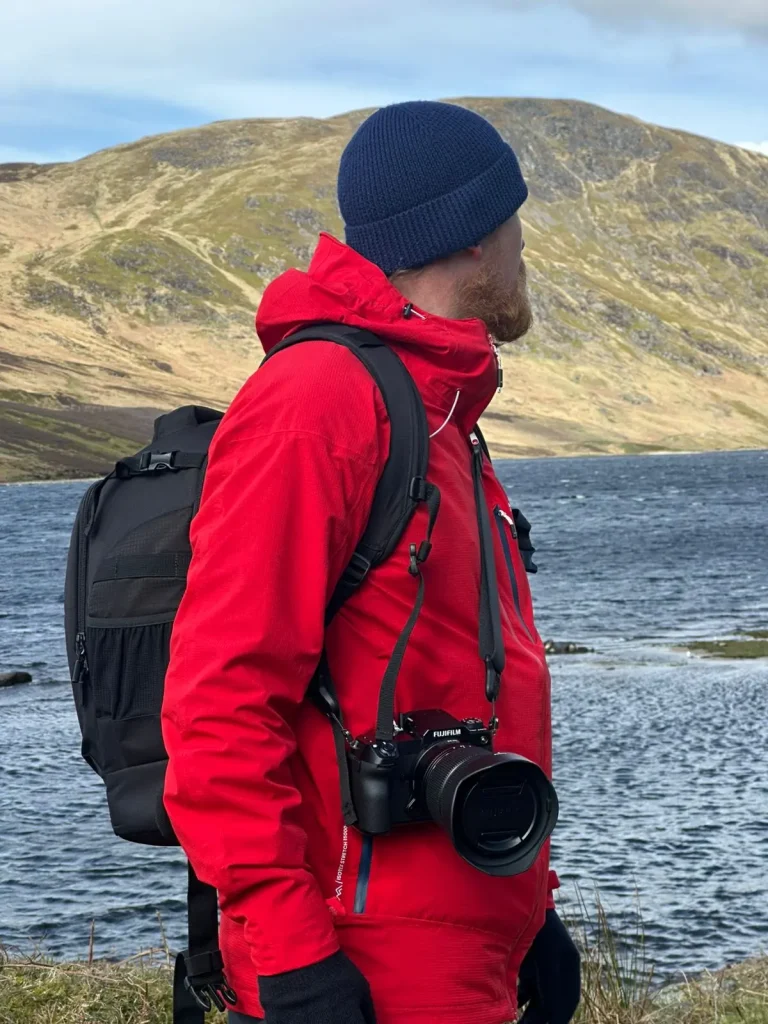
One such recent outing was to my local loch and mountains. I decided to take the Fujifilm GFX100S and Fuji GF 20-35mm f/4 lens as I’ve been shooting a lot of Nikon lately and my GFX was giving me evils.
I’m not a particularly dramatic type of person, think typical British, understated and calm. If something is better I don’t say it’s the best in the world/most amazing ever or any of those superlatives that are thrown around on Youtube so often.
As I said, I’ve owned the GFX100S for 2-3 years now, I’ve shot some of the best lenses on the system and I’ve always been impressed with the image quality. It definitely gives a different look to other systems. I’m not going to go on about some vague medium format look like so many do, without being able to specify what it is.
I see it too, but it’s really a result of the way focal lengths behave on a sensor of this size. You get a wider field of view for a given focal length and that results in differrent depth of field and focus fall off than on other systems. What I’ve never really quite appreciated until recently is just how incredibly detailed the files are. Of course, Ive seen it but its never really mattered before because I have tended to shoot portraits and people with the GFX and therefore often found myself shooting with a relatively narrow depth of field, where detail across the whole image wasn’t a factor. That was until I took the GFX100S out in Scotland over the last week or so.
Now I should be clear, I think the image quality from every sensor size is more than usable these days depending upon the subject, and I’m also of the opinion that a detailed photo does not by itself make it a good photo. A great shot on a Micro Four Thirds sensor is still going to look way better than a mediocre or poorly composed shot on even a Phase One back. However, the photo that I shot in the Highlands of Scotland this week really showed me what the GFX 100mp sensor is capable of.
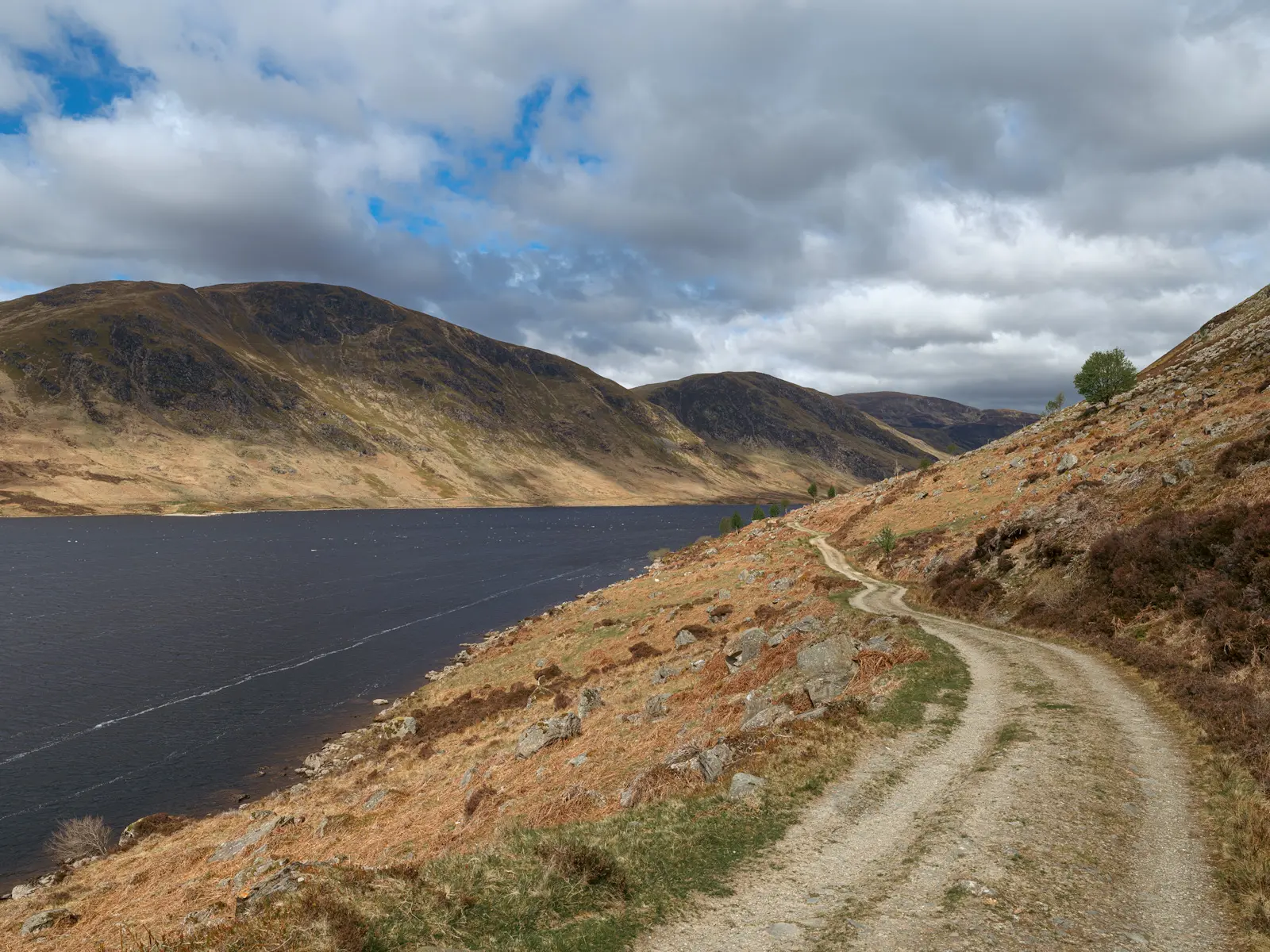
So, rather than trying to explain it, here’s the image that made me stop and rethink what the GFX100S is capable of in terms of detail. I didn’t go out with the itention to test this. But this particular file genuinely impressed me so much that I wanted to write about it. Don’t forget, this is hand-held.
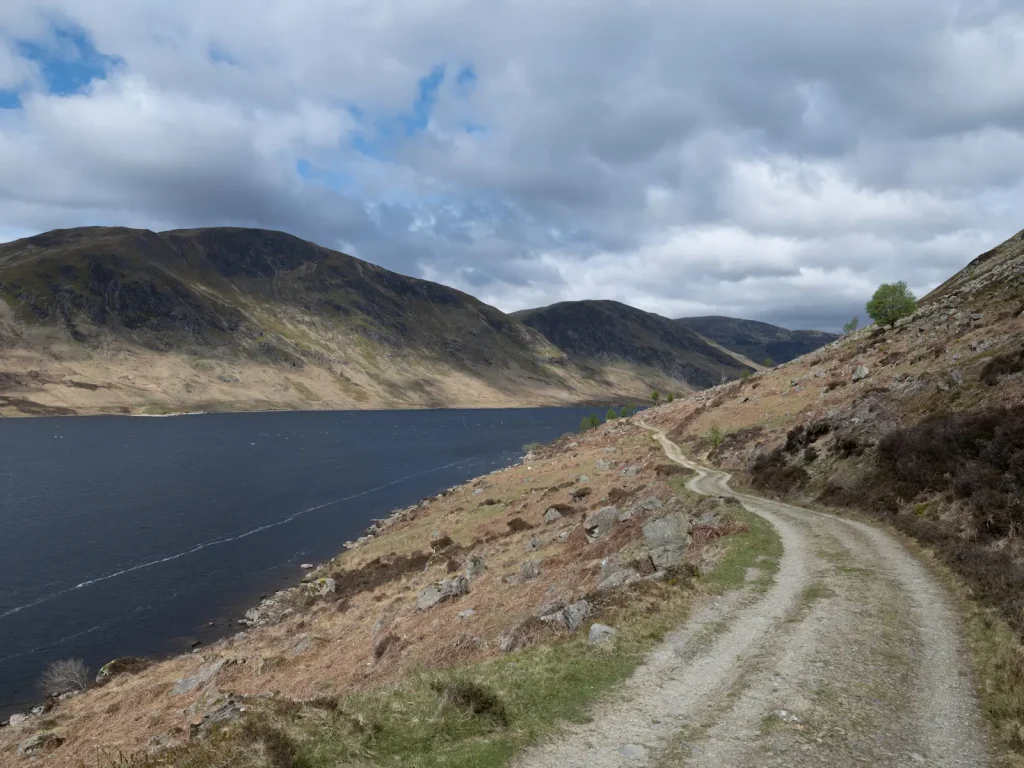
I have uploaded a full resolution file that you can view over on Flickr.
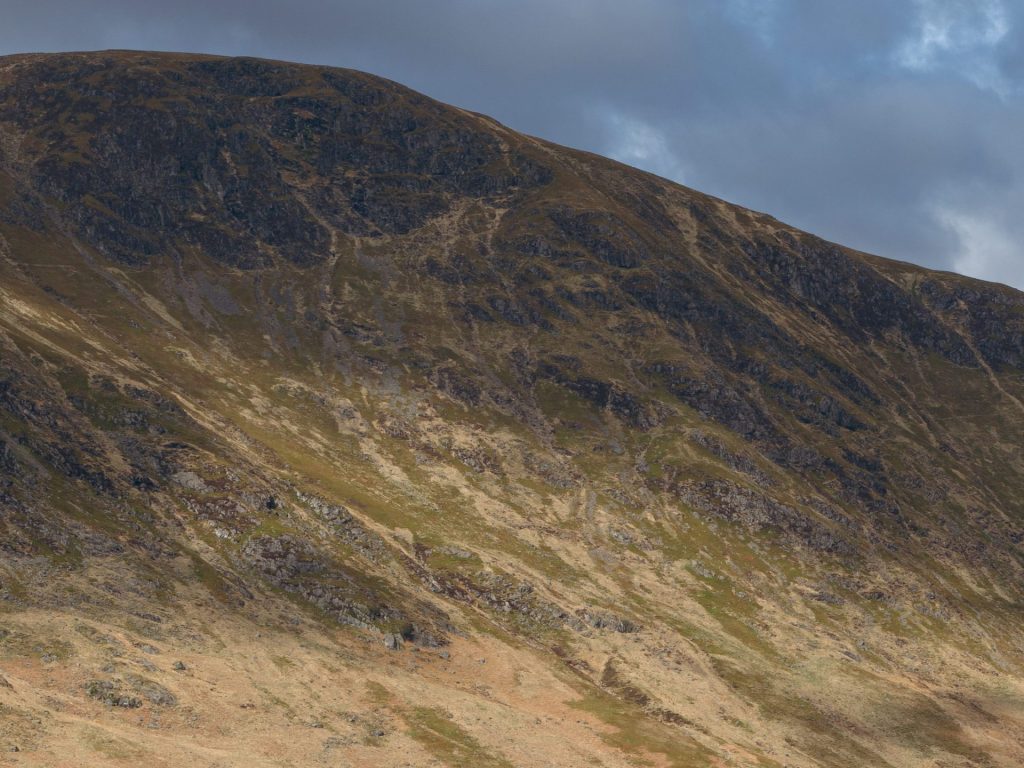
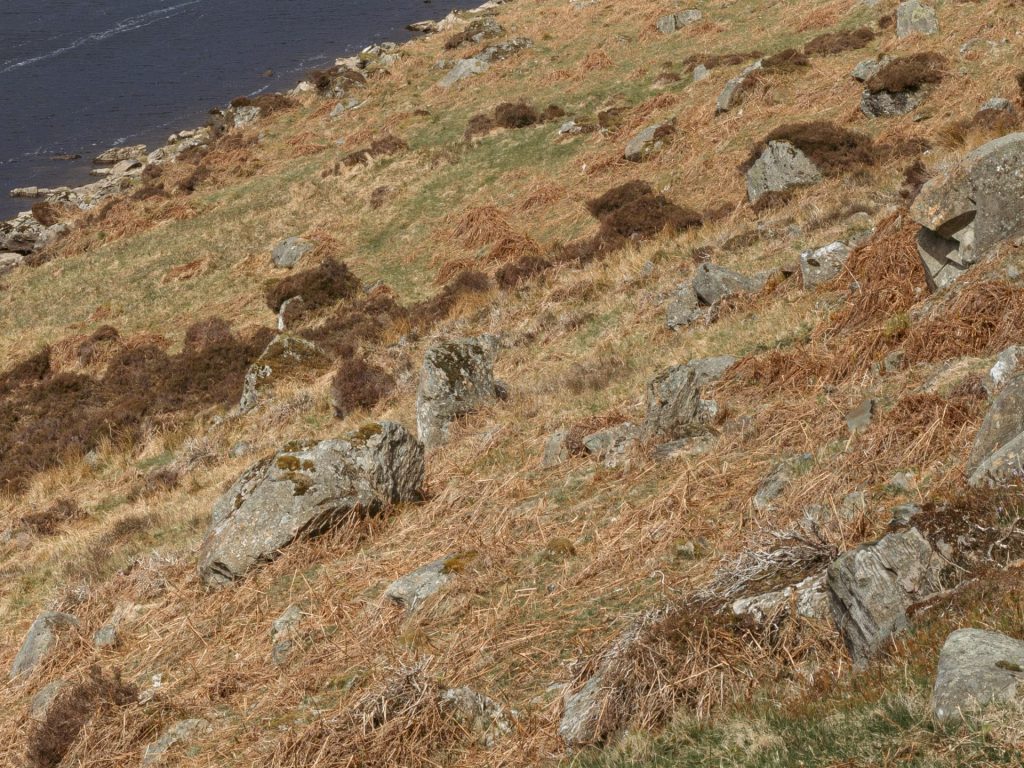
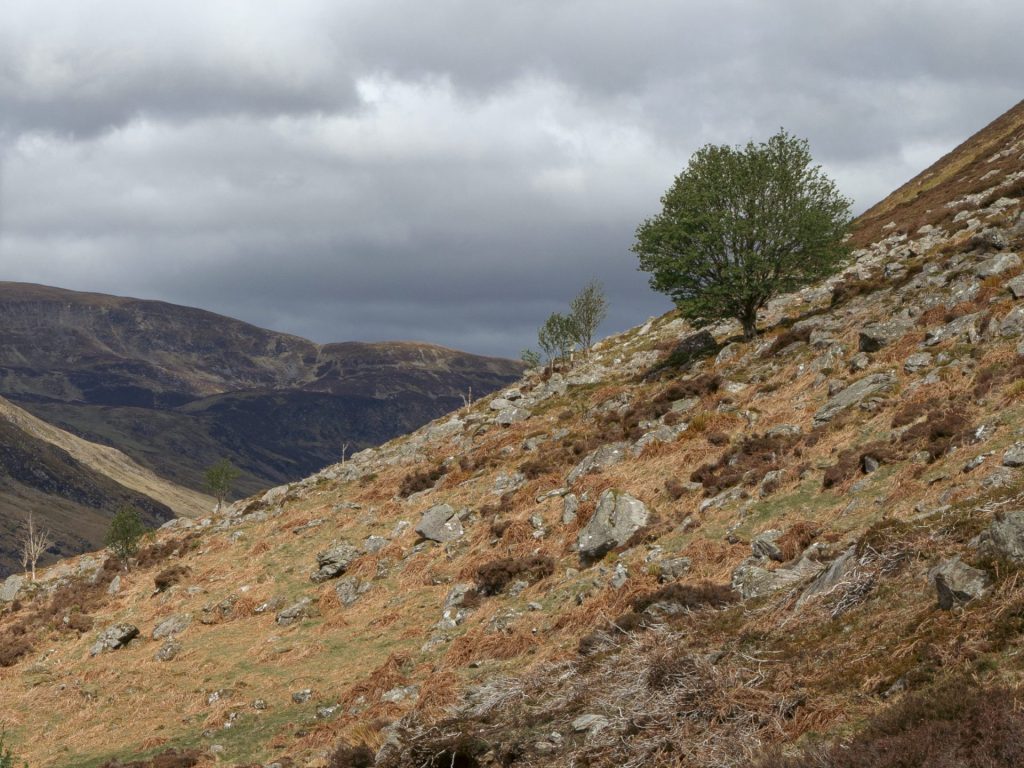
What’s staggering to me is the amount of detail in the distant mountains, it’s beyond anything I’ve shot on any other system in terms of pure detail except for perhaps 4×5 film.
What is also noticeable is just how much sharpening the GFX100S files can take as well as how easily the sensor dealt with the dynamic range in this scene, with the histogram being comfortably within the sensor’s parameters, neither blocking shadows or blowing highlights.
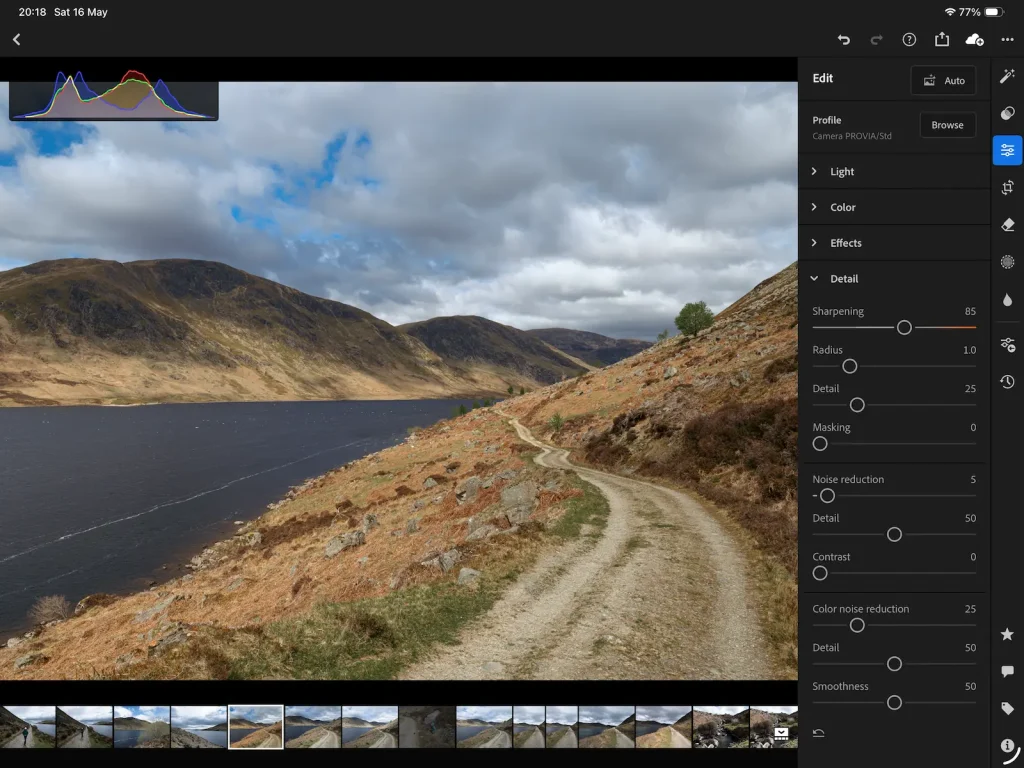
I didn’t go out with the intention to maximise detail or sharpness, in fact I was shooting handheld. But nevertheless, when I opened this image in Lightroom and zoomed in to the foreground rocks and then again to the distant mountains I was stunned at how sharp, crisp and detailed the image was throughout the entire frame. I’ve shot this location before, admittedly in different light, with the Fuji X-T5 and Nikon Z8 as well as other cameras and although the Z8 didn’t have one of the professional top tier lenses mounted, the difference between the files off it and the GFX100S in this case was stark. So much so, that I’m now going to buy in the Nikon Z 24-70mm f/2.8II in order to do some direct comparisons between the various sensor sizes and ensure that I am giving each one a fair crack at the whip by mounting only the best optically performing lenses for each system.