
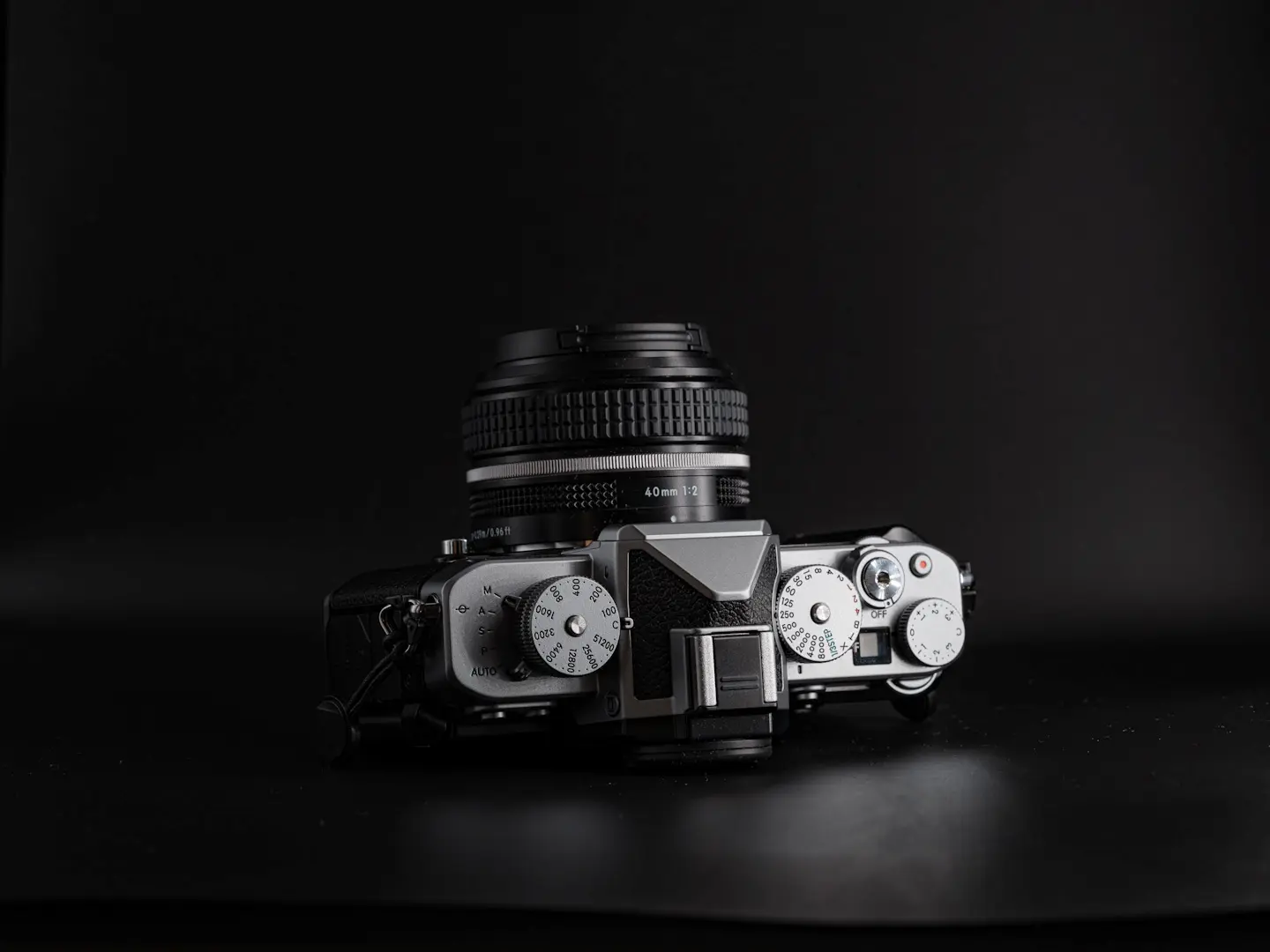
So you’re trying to decide between the Nikon Z6III and the Nikon Zf.
On paper, the Z6III wins almost every time. It has the more modern sensor, more professional memory card options, faster autofocus and a more advanced viewfinder. All of which I go into in more depth in my full Nikon Z6III review.
But the appeal of the Zf doesn’t lie in the spec sheet.
Yes, it’s a beautiful camera. But that’s only part of it. The real appeal is that it speaks to a certain type of photographer.
If you value shooting experience, prime lenses and a more intentional rhythm, choose the Nikon Zf.

I own both of these cameras. And recently, I’ve found myself reaching for the Zf more often. I shot our family Christmas with it. I travelled back to Scotland with it. And I’ve started to genuinely enjoy the experience of using it.
But I wanted to make sure I wasn’t just being seduced by the aesthetics.
So over the past week, I deliberately switched back to the Z6III.
This article isn’t going to be a line-by-line spec comparison. Instead, I’m going to talk about what actually stands out in real use — which photographers each camera suits best, which scenarios favour one over the other, and ultimately, which one you should buy.
| Nikon Zf | Nikon Z6III | |
|---|---|---|
| Sensor | 24.5MP full-frame BSI CMOS | 24.5MP full-frame partially stacked CMOS |
| Processor | EXPEED 7 | EXPEED 7 |
| IBIS | Up to 8 stops | Up to 8 stops |
| EVF | 3.69M-dot OLED | 5.76M-dot OLED |
| Autofocus | Subject detection + 3D tracking | Stronger tracking reliability (esp. action) |
| Video (headline) | 4K up to 60p | 6K internal + 4K up to 60p |
| Card slots | Dual SD (UHS-II) | CFexpress Type B + SD (UHS-II) |
| Weight (body only) | ~585g | ~760g |
Where the Z6III Makes More Sense
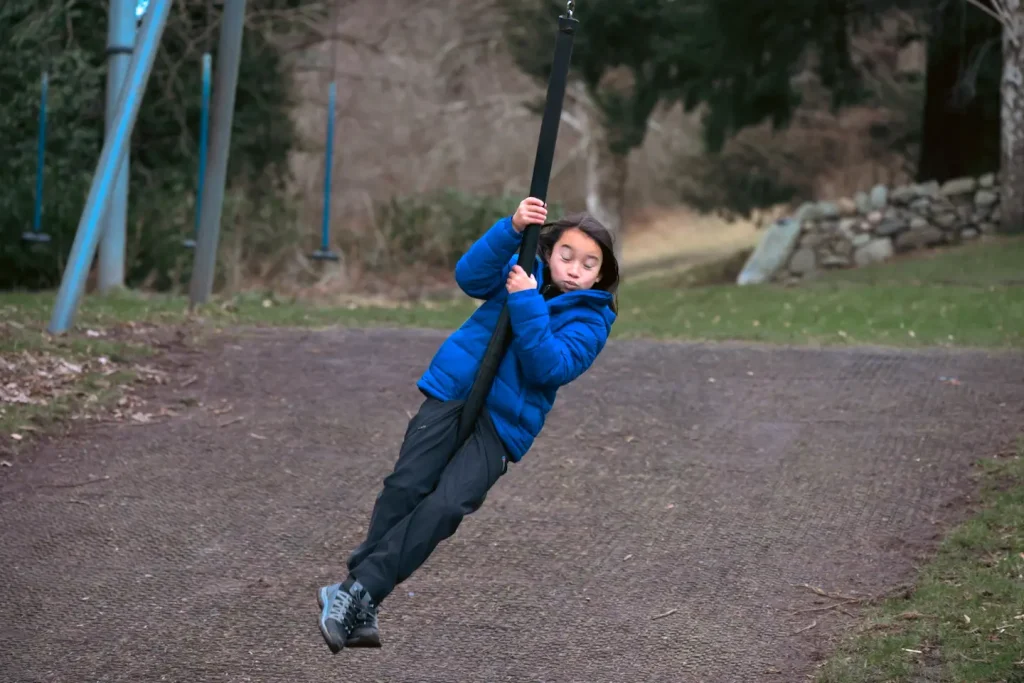
If performance is your priority, the Z6III is the obvious choice.
If I needed the absolute best autofocus between the two, I would choose the Z6III without hesitation. Wildlife is a perfect example — I wouldn’t even consider the Zf in that scenario. Partly because of autofocus reliability, but largely because of ergonomics and handling with longer lenses.
The Z6III is simply better suited to zoom lenses and larger glass. The grip is deeper, more secure and more comfortable over extended sessions. The button placement feels intuitive and logical. Even after a heavy period of shooting the Zf, it took me literally two frames with the Z6III to feel completely at home again.
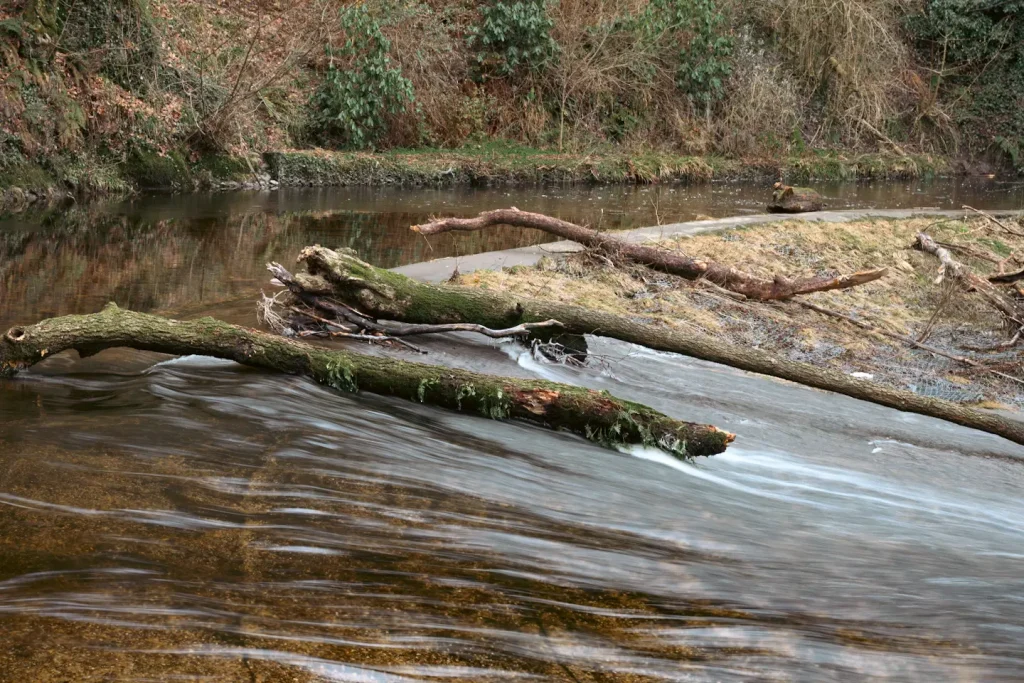
It’s also the camera I would take hiking.
Not because the Zf can’t handle it, but because the Z6III feels more robust. It looks and feels more weather sealed. The buttons are easier to use with gloves. The grip inspires confidence when conditions turn. Whether that confidence is partly psychological doesn’t really matter — what matters is that it changes how you use the camera.
After returning to the Z6III recently, I was reminded just how good it really is.
The autofocus feels snappier. The viewfinder is brighter. The camera feels more balanced and purposeful in the hand. Operation feels quicker — not necessarily in menu speed, but in the way everything is positioned so logically that you don’t think about it.
And that’s important.
There is a certain calm that comes when a camera isn’t fighting you. When every button is exactly where you expect it to be. When you’re not thinking about functions or layout.
You’re just shooting.
For me, that’s the sign of a brilliant all-round camera. It gets out of your way. It’s quietly competent. It lets you focus entirely on your subject.
If I could only own one of these two cameras, it would be the Z6III. Not because the Zf is lacking — but because the Z6III is simply more flexible and better suited to a wide range of tasks with fewer compromises.
The Nikon Z6III is for photographers who value performance above all else. It’s the primary camera. The one that needs to handle everything.
- You want one camera that can handle almost anything
- Performance and autofocus reliability are your top priorities
- You regularly shoot zoom lenses or larger glass
- You shoot professionally or semi-professionally
- You want the strongest price-to-performance value
- This will be your main body for years to come
Where the Zf Starts to Make Sense

The Zf is different.
On paper, it doesn’t beat the Z6III. In pure performance terms, it doesn’t try to.
But the Zf isn’t about winning on paper.
It’s about how it feels to use.
There is something undeniably inspiring about a beautiful camera. The dials. The tactile controls. The deliberate act of setting exposure manually. It slows you down in a way that feels intentional rather than restrictive.
The Zf suits photographers who need to feel something when they shoot.
Whether that’s nostalgia, simplicity, or the experience of pairing it with a prime lens and heading out without pressure — the Zf encourages a different rhythm.
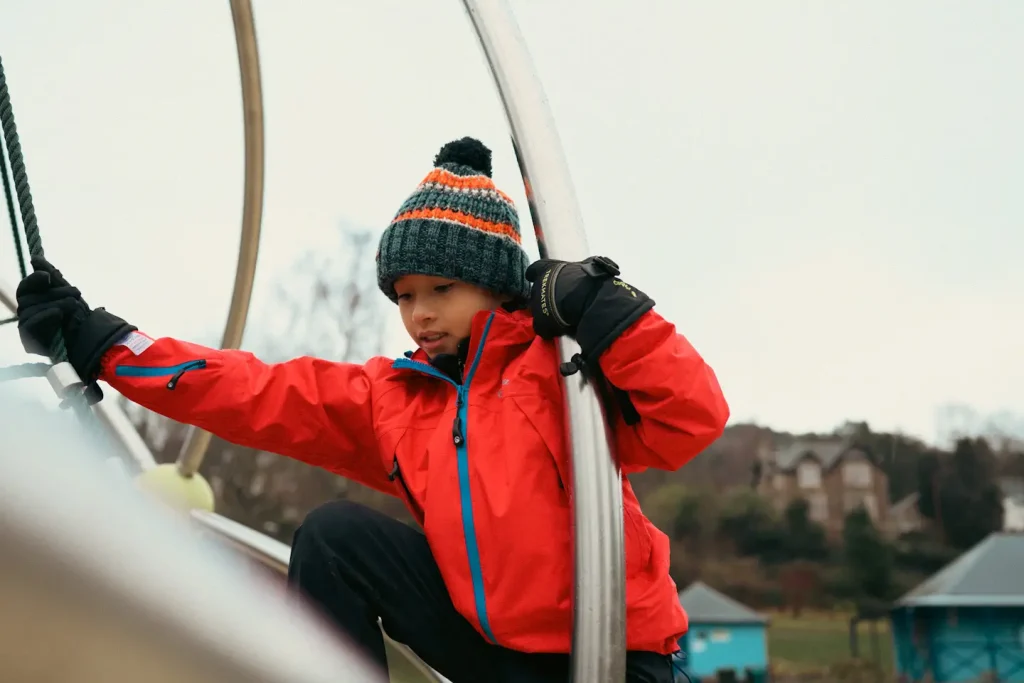
For me, it’s the ideal camera to take when I want to capture family moments or travel without letting photography dominate the experience. It works beautifully with primes. It rewards thoughtful shooting.
It’s not about having to get the shot.
It’s about wanting to press the shutter.
And importantly, it’s not so compromised that performance gets in the way. The autofocus is still excellent. The image quality is stunning. It’s a modern camera beneath the retro exterior.
But the emphasis is different.
The Zf is for photographers who care as much about the experience of shooting as the outcome.
The Nikon Zf needs a few accessories to make the handling the best it can be. Here are the accessories I use with my Nikon Zf.
- You primarily shoot prime lenses
- The tactile experience of manual dials and direct controls matters to you
- You value the experience of shooting as much as the final image
- You photograph family moments or candid portraits regularly
- You already own a Z8 or Z9 and want a more relaxed second body
- You want a camera that makes you more likely to take it with you
So Which Should You Buy?
If you want the most capable, flexible and performance-driven body, buy the Z6III.
If you shoot zoom lenses regularly, buy the Z6III.
If you shoot professionally, buy the Z6III.
If you want the strongest price-to-performance ratio, buy the Z6III.
If this will be your main camera for years and needs to handle almost anything without compromise, the Z6III is the smarter choice. It’s more adaptable, more robust and simply better suited to a wider range of tasks.
Now here’s where the Zf earns its place.
If you primarily shoot primes, the Zf feels purpose-built for that style of photography. Particularly with lenses like the Nikon 40mm f/2 SE which I recently reviewed.
If physical dials and direct control make you more deliberate and engaged, the Zf supports that way of working.
If the way a camera looks and feels genuinely affects how often you take it with you, the Zf has an advantage. It encourages use. It makes you want to shoot.
And for family photography and candid portraits, the Zf changes the dynamic. It doesn’t look like a professional workhorse. It feels less formal when pointed at someone. In my experience, people relax more quickly. Expressions feel more natural. Moments feel less staged.
If you already shoot a Z9 or Z8 and want something fun to use on weekends, away from work, the Zf is definitely the one to choose.
At the end of the day, this decision comes down to what kind of photographer you are.
If you want one camera that can handle almost anything you throw at it — wildlife, hiking, professional work, zoom lenses, unpredictable conditions — the Z6III is the logical choice.
But if photography is as much about the experience as the output, the Zf offers something different. It changes how you shoot. It changes how people respond to you. It encourages a slower, more intentional rhythm without sacrificing modern performance.
The Z6III is the camera you rely on.
The Zf is the camera you reach for.
For me, owning both makes sense. If I had to choose only one, logic says Z6III. But when I head out with a prime lens and no pressure, the Zf is often the one in my hand.
And that difference has nothing to do with the spec sheet. At the end of the day, they can both get the shot, but how they feel doing it is where the real difference lies.
If you’re still weighing up Nikon’s wider lineup, I’ve also broken down which body makes the most sense overall in my guide to the best Nikon Z camera for photography.